
Trends for Real Estate Photo Editing in 2026
Trends for real estate photo editing are reshaping the housing market as we move into 2026, where first impressions are made on screens, not in person. High-quality visuals have become essential in a digital-first world.
In this blog, we’ll share the most influential trends shaping the industry, including automation in architectural photo editing, the impact of virtual staging, and why techniques like day-to-dusk conversion are becoming key tools for modern, high-performing property listings.
I. The Rise of AI-Powered Enhancements: Leading Trends for Real Estate Photo Editing
The 2026 trends for real estate photo editing are heavily shaped by AI integration, which significantly streamlines workflows for high-volume projects while manual editing maintains its “gold standard” for luxury quality. Consequently, this synergy allows photographers to deliver polished, professional image sets in half the time previously required.
1. Automated Sky Replacement
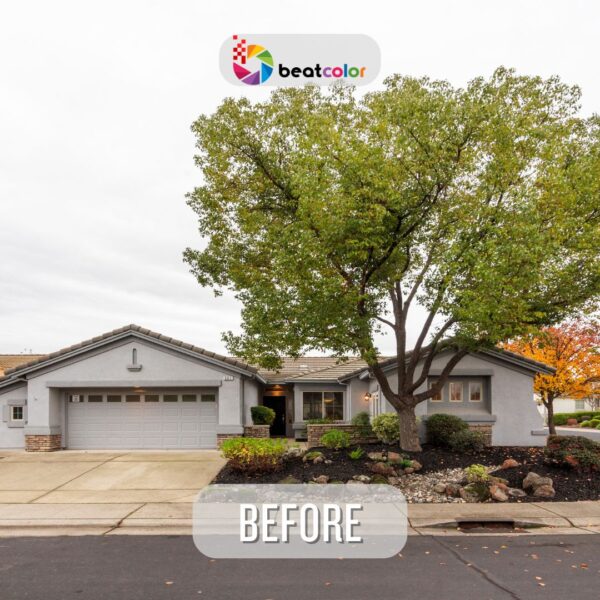
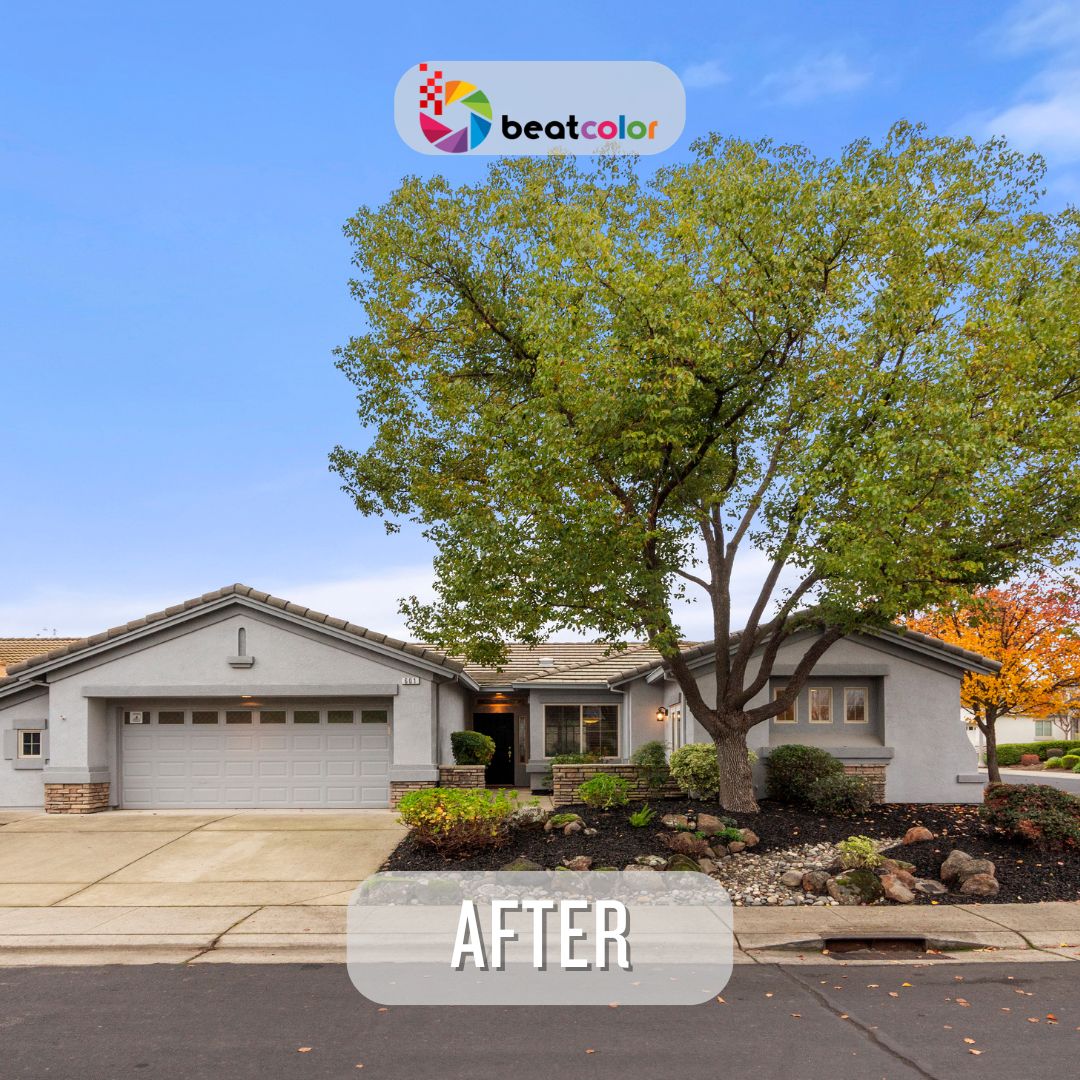
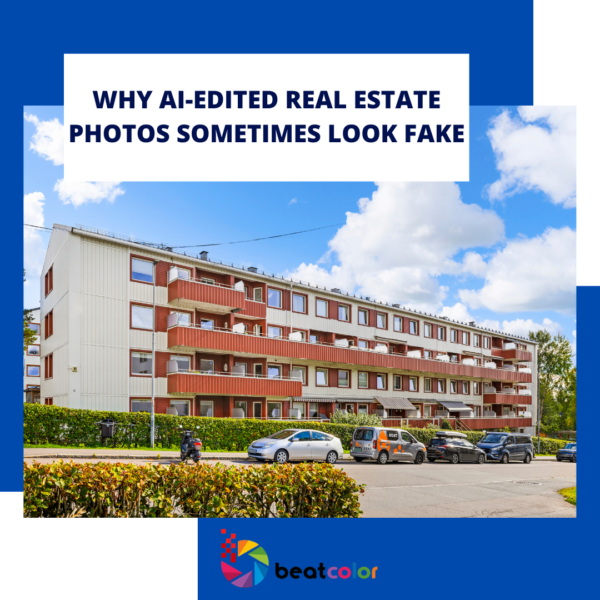
One of the most consistent real estate retouching styles involves replacing gloomy, gray skies with vibrant, welcoming blue ones. Modern AI tools now allow editors to match the global lighting of the house with the new sky automatically, ensuring the final result doesn’t look “pasted on.” Furthermore, this technology can now simulate the correct sun position based on the property’s orientation, which adds a layer of realism that was previously difficult to achieve manually.
2. Intelligent Object Removal
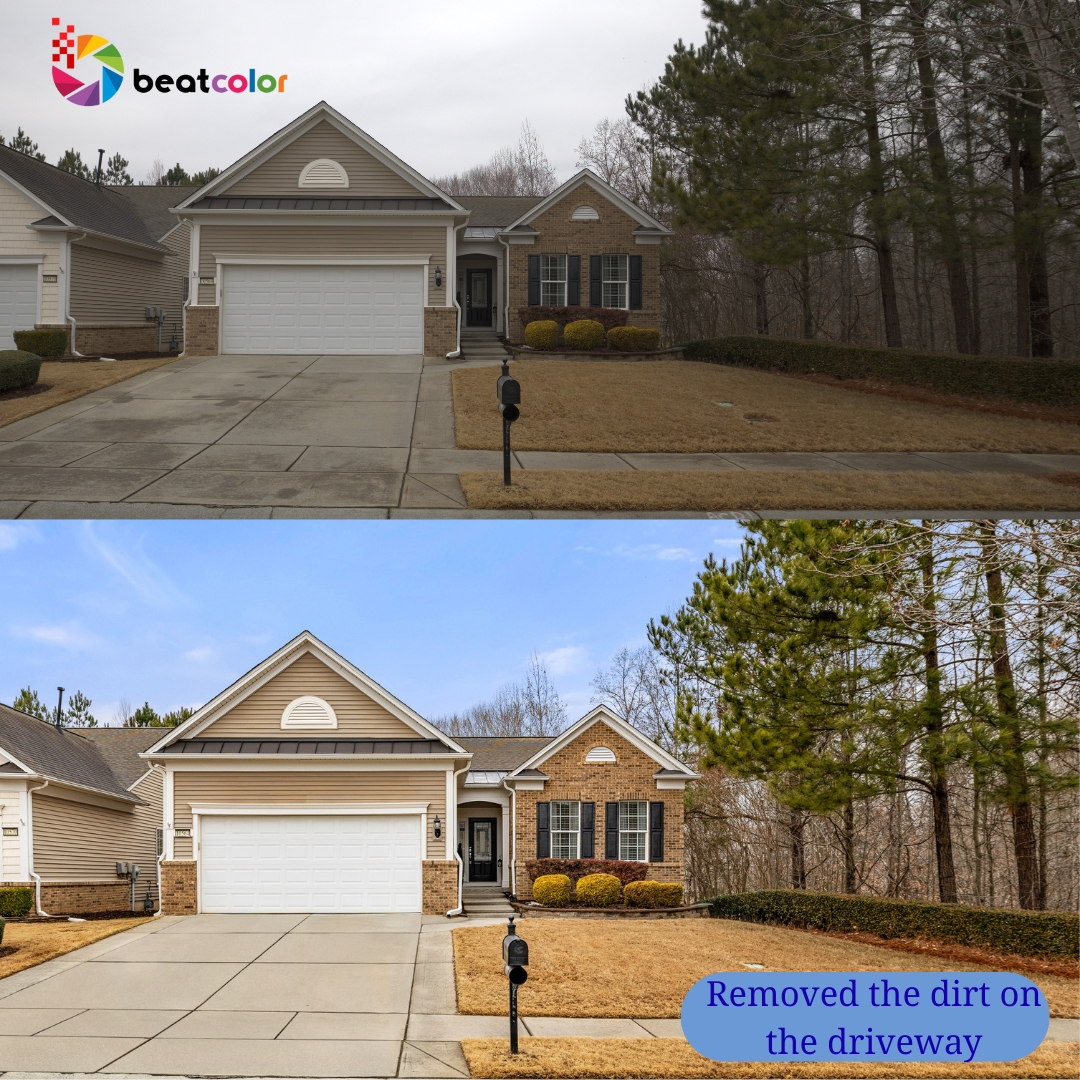
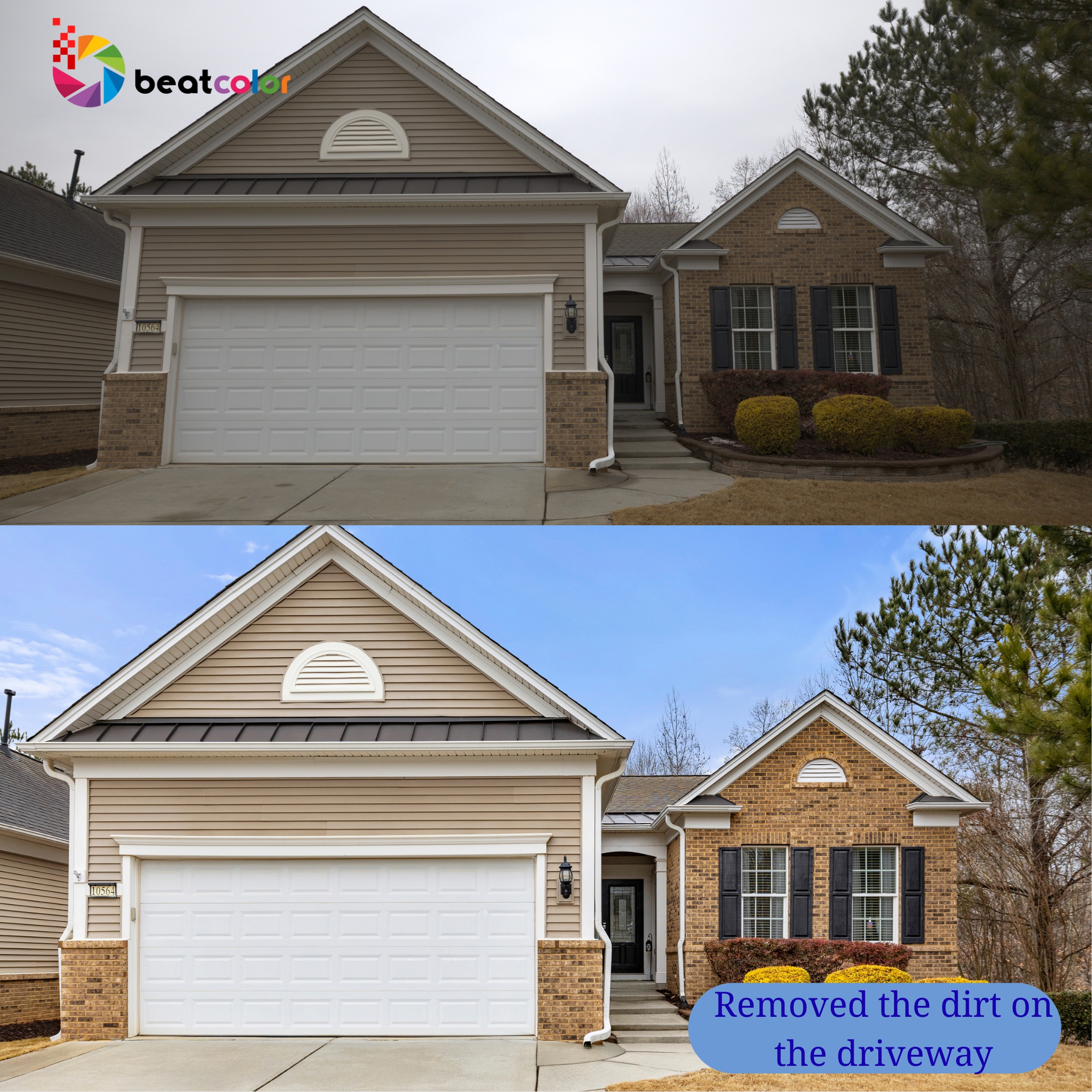
Buyers want to envision themselves in a space, but cluttered rooms or distracting power lines can break that immersion. Consequently, advanced AI algorithms can now remove unwanted items with higher precision, filling in the background textures more naturally than ever before.
II. Virtual Staging and Digital Renovation
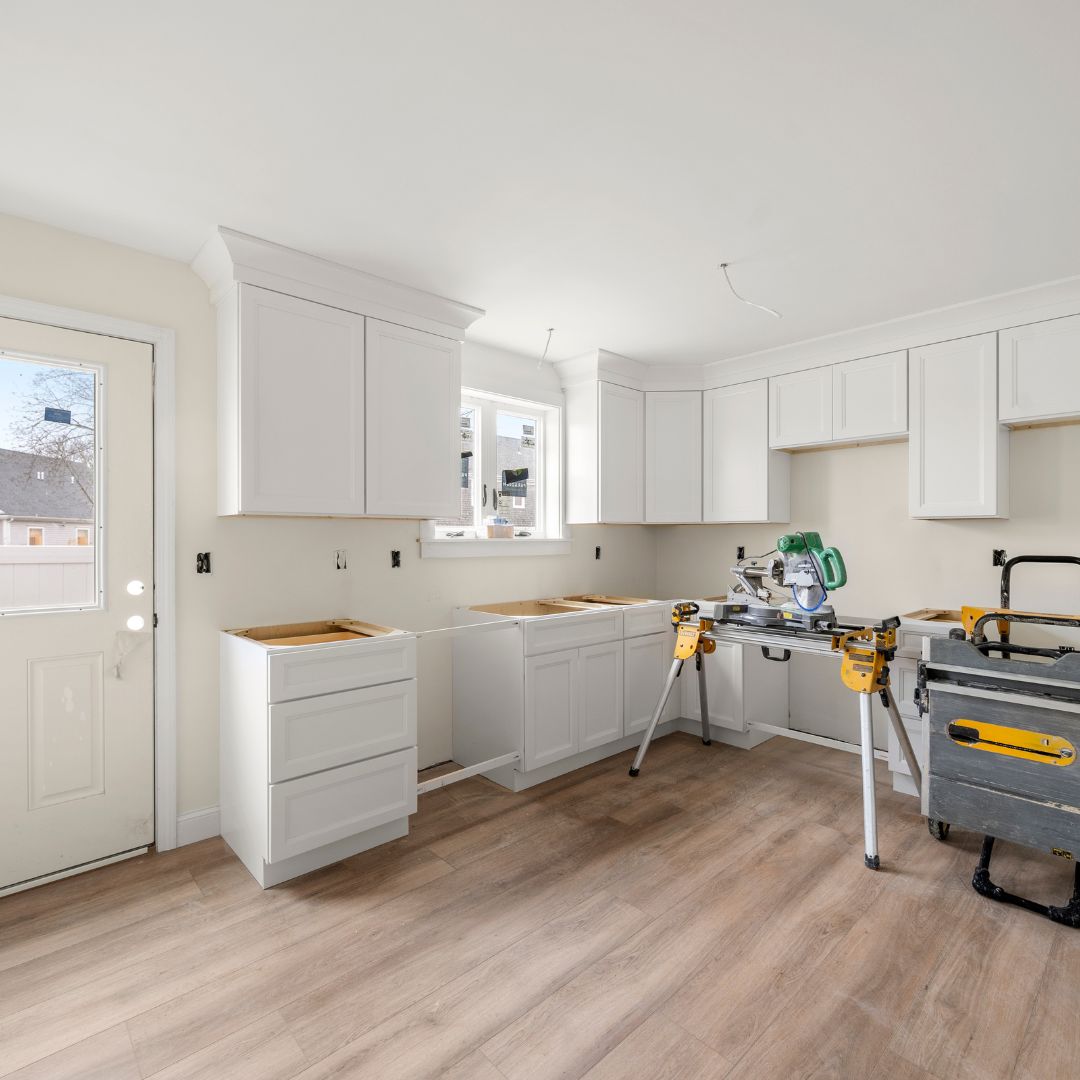
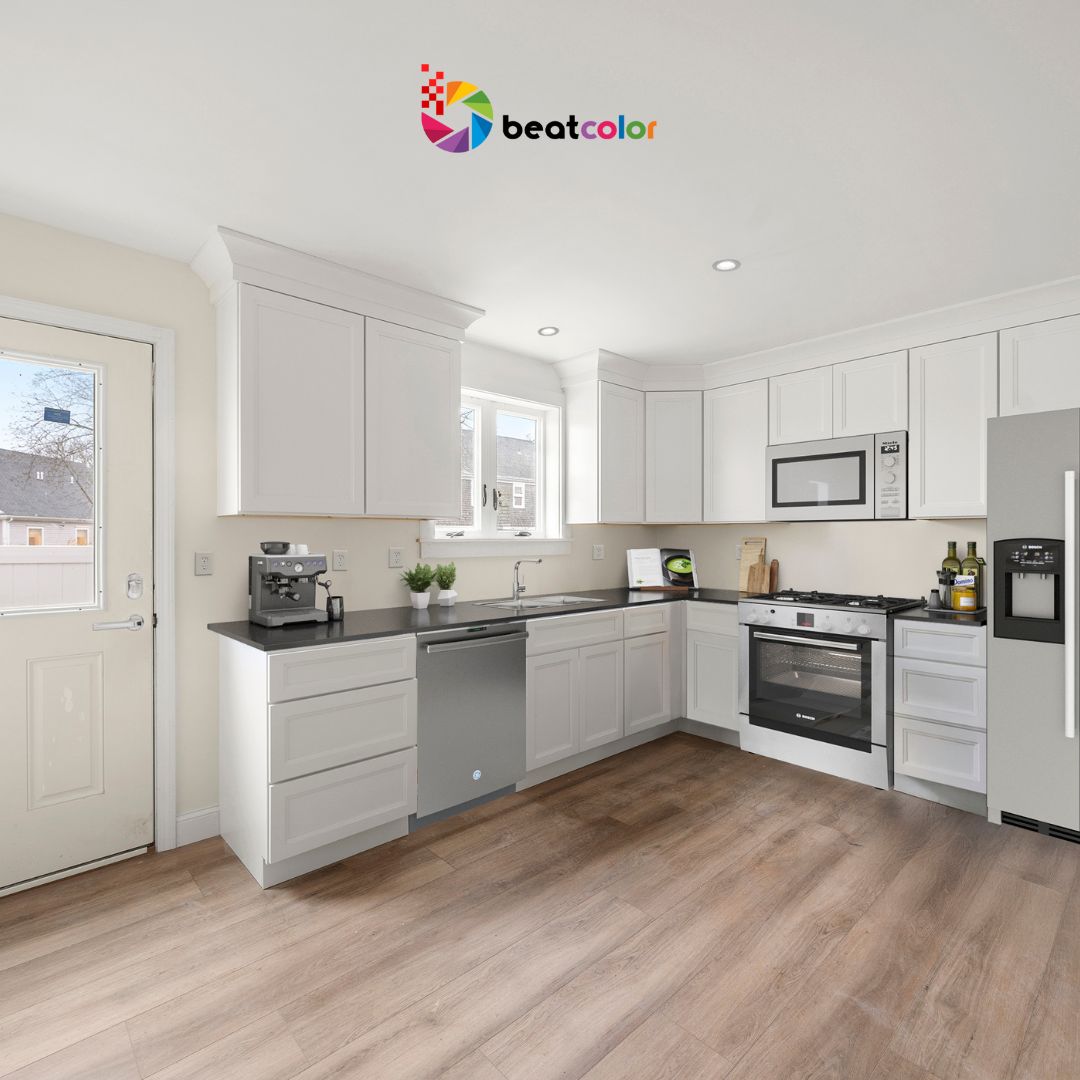
Trends for real estate photo editing are moving rapidly toward virtual solutions because the physical cost of renting furniture is skyrocketing. Empty houses often feel cold, cavernous, and smaller than they actually are; therefore, digital interventions have become a much more attractive alternative for sellers.
1. Hyper-Realistic Furniture Integration
The current trend is moving away from “cartoonish” 3D models toward hyper-realistic renders that are virtually indistinguishable from real life. This ensures that the scale and lighting of the furniture perfectly match the room’s dimensions and light sources. By doing so, you provide a realistic sense of livability without the heavy lifting of physical staging. This is why many top agencies now list property image enhancement techniques as their secret weapon for selling vacant homes.
2. Virtual Renovation for Fixer-Uppers
Beyond just adding furniture, editors are now “renovating” properties digitally to show their full potential. This includes changing floor types, painting walls, or even updating kitchen cabinets to match 2026 design standards. This trend in architectural photography post-processing allows potential investors to see the “hidden potential” of a distressed property immediately. Instead of looking at a dark, dated basement, they see a bright, modern studio.
III. Specialized Lighting and Atmosphere Techniques in Real Estate Photo Editing
Lighting can make or break the emotional connection a buyer feels toward a home. Therefore, professional editors are focusing on “mood” as much as “clarity.”
1. Day-to-Dusk Conversion (Virtual Twilight)
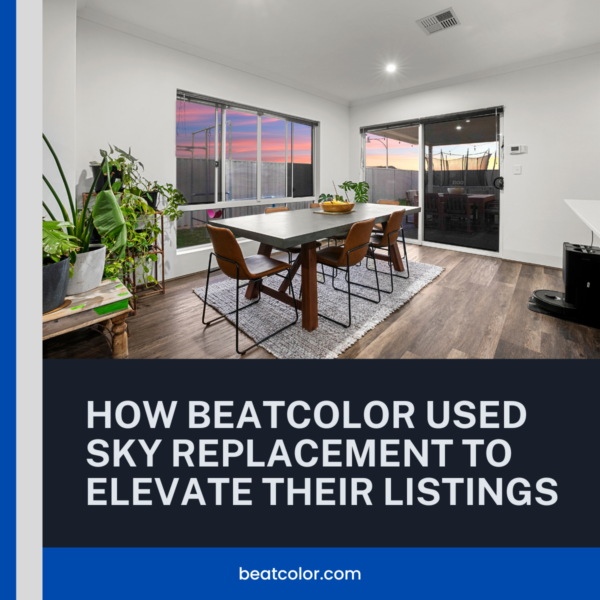
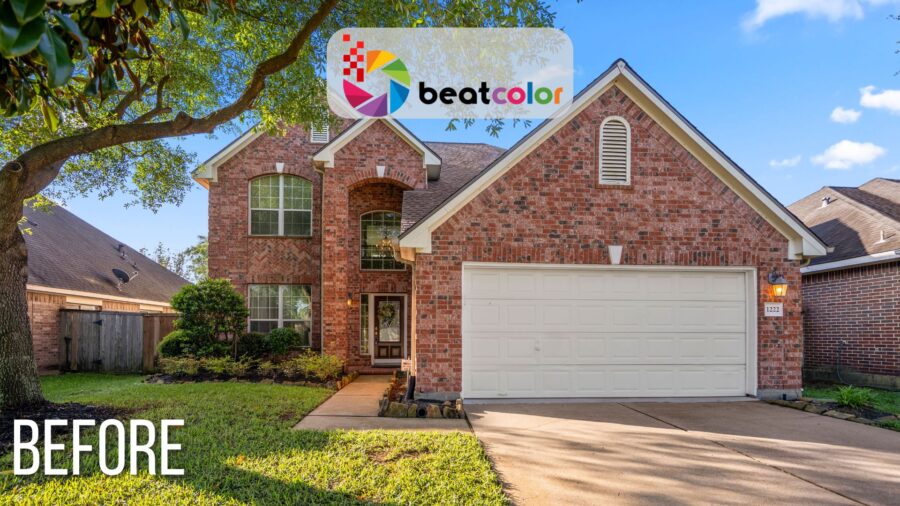
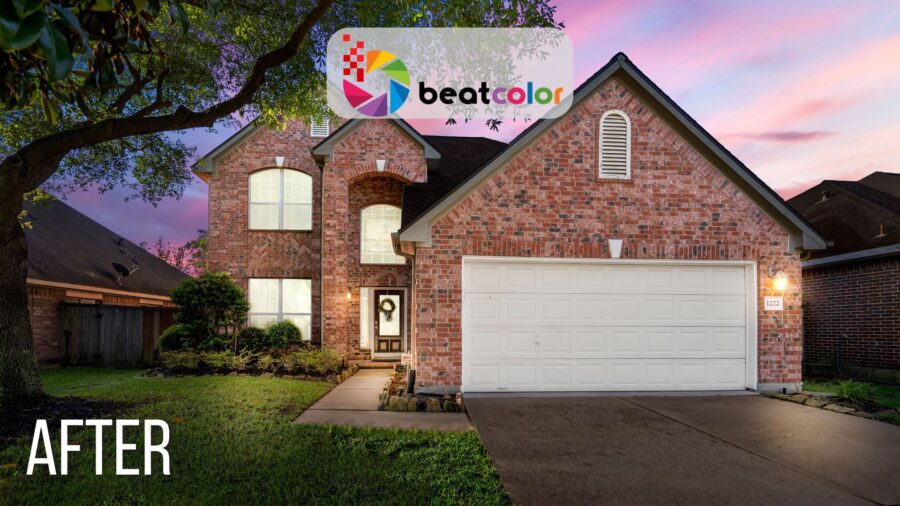
Twilight photos are known to generate significantly more clicks than daytime shots. Since shooting at actual sunset is time-consuming and weather-dependent, converting a midday photo into a warm, glowing twilight scene is a top trend for real estate photo editing.
2. High Dynamic Range (HDR) Balancing
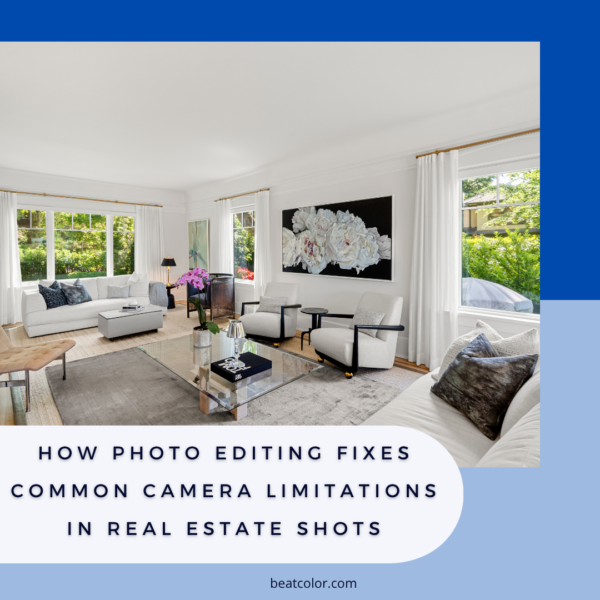
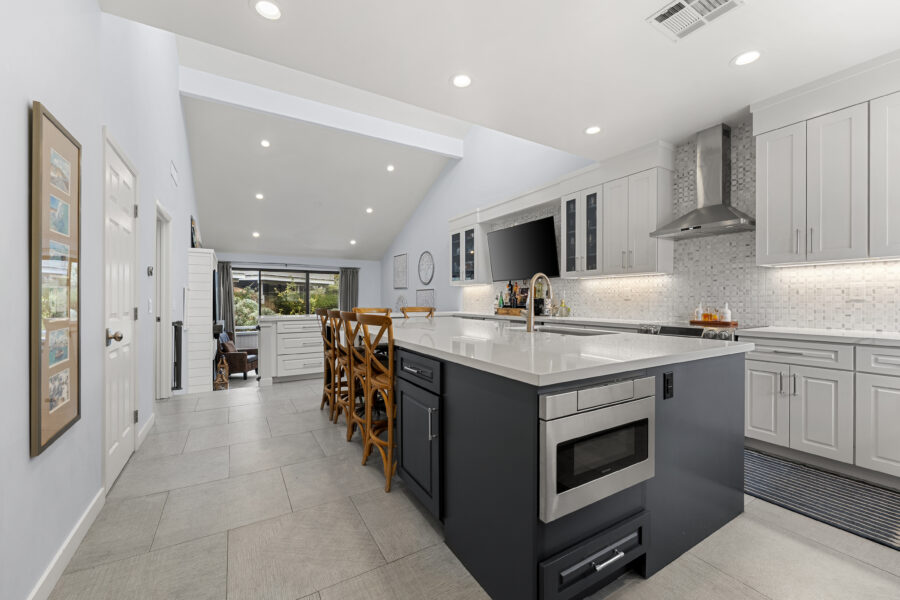
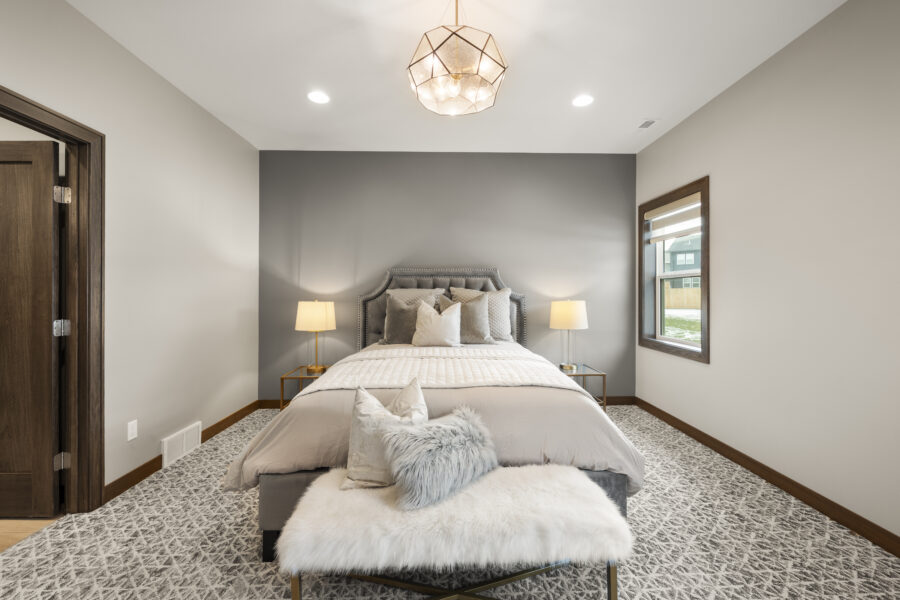
HDR remains a staple, but the trend is shifting toward a more “natural” look. Editors are moving away from the “over-processed” HDR style of the past decade. Instead, they are focusing on balanced exposures that preserve details in both the brightest windows and the darkest shadows. For more information on professional standards, you can check out the Real Estate Photography Association.
IV. Emerging Social Media-Specific Formats in Photo Editing Trends
With the rise of social media platforms such as TikTok, Instagram Reels, and Shorts, photo editing trends are increasingly shaped by platform-specific formats. Visual content is no longer edited solely for traditional viewing, but strategically adapted for how audiences consume media on mobile devices.
1. Vertical Cropping and Optimization
One major shift is the demand for vertical-first compositions. Editors are now expected to crop and optimize images vertically while preserving composition, perspective, and key visual elements. This ensures architectural and interior photos remain impactful and visually balanced in full-screen mobile formats..
2. Short-Form Video Teasers
Another growing trend is the integration of motion into still images. Subtle animations, such as moving clouds, light transitions, or flickering fireplaces, transform static photos into short-form visual assets like cinemagraphs. As a result, these formats bridge the gap between photography and video, helping content feel more dynamic, engaging, and effective at capturing attention in fast-scrolling social feeds.
V. Color Accuracy and “True-to-Life” Editing
Accuracy is becoming a legal and ethical priority. Over-editing can lead to “buyer’s disappointment” when they visit the property in person.
1. Advanced Color Correction
Maintaining the exact hue of hardwood floors or paint colors is vital. Therefore, professional editors use color calibration tools to ensure that the digital image matches the physical reality, building trust with the consumer.
2. Flash-Ambient (Flambient) Blending
This technique combines the natural light of an “ambient” shot with the color accuracy of a “flash” shot. While it requires more skill, it is increasingly preferred over pure HDR because it eliminates weird color casts from interior lights. To see how these techniques are applied in professional workflows, visit our services page.
Final Thoughts
Keeping up with the trends for real estate photo editing is essential for anyone looking to stay relevant in the 2026 market. Whether it’s leveraging AI for efficiency, mastering the art of virtual twilight, or ensuring “flambient” perfection, the goal remains the same: to tell a compelling story through visuals. By implementing these property image enhancement techniques, you don’t just show a house; you sell a dream. The industry is moving fast, but by focusing on quality and realism, your listings will consistently stand out.
Read more:
Modern Portrait Retouching Trends: Why Less Is More
BeatColor – Professional Real Estate Photo Editing Services in Vietnam 2025
Behind Every Stunning Listing: The Role of Real Estate Photo Enhancement