
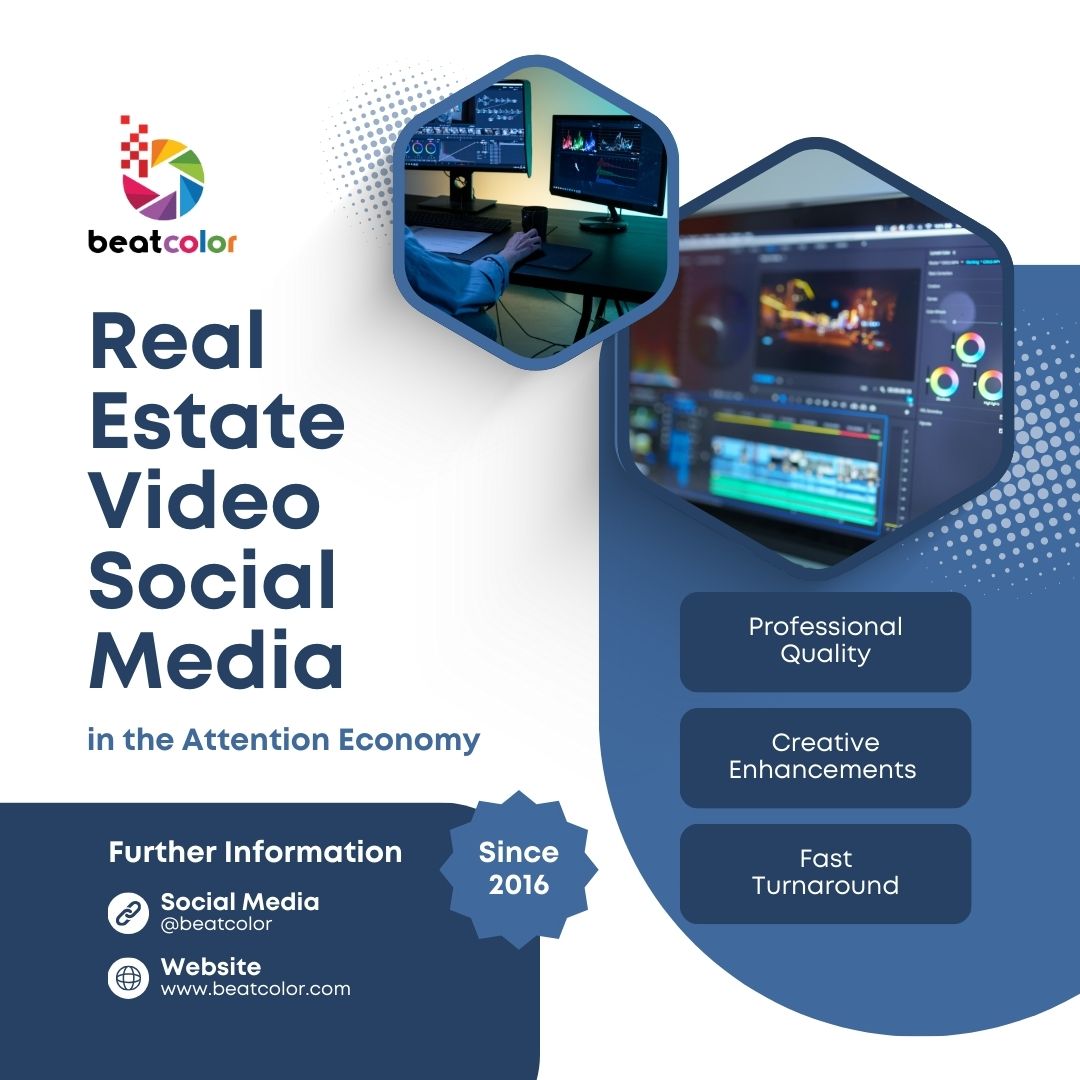
Real Estate Video Social Media in the Attention Economy
Real estate video social media is transforming how properties attract buyers online. Today’s buyers discover homes while scrolling, not driving through neighborhoods. Therefore, your video often becomes the very first showing.
Attention spans continue shrinking across social platforms. As a result, static images no longer compete effectively. In contrast, short-form property videos stop scrolling instantly.
Recent market data confirms that video-driven listings generate far higher engagement than photos alone. Moreover, properties promoted with video receive dramatically more buyer inquiries. At the same time, homeowners increasingly prefer agents who use strategic video marketing.
Because of this shift, presentation standards have changed completely. Agents must now think like digital content creators. Ultimately, real estate video social media determines who gets noticed and who gets ignored.
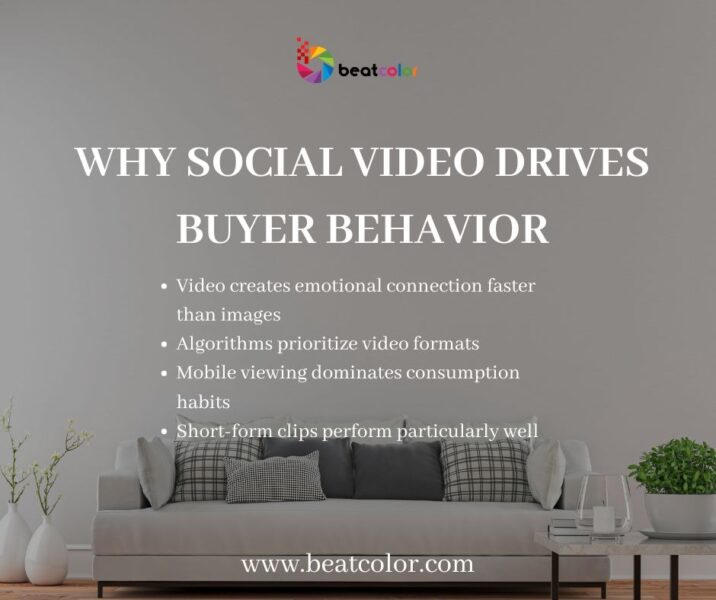
Why Social Video Drives Buyer Behavior
First, video creates emotional connection faster than images. Buyers can visualize lifestyle, flow, and scale within seconds.
Second, algorithms prioritize video formats. Platforms push reels, shorts, and live content to larger audiences. As a result, organic reach expands without paid ads.
Moreover, mobile viewing dominates consumption habits. Most users watch property videos on smartphones. Therefore, vertical framing is no longer optional.
Short-form clips perform particularly well. Videos under two minutes retain attention more effectively. In fact, many high-performing real estate clips stay under sixty seconds.
Because users scroll quickly, the first three seconds matter most. Strong hooks dramatically improve watch time.
What Buyers Want From Real Estate Video Social Media
Buyers no longer want simple walkthroughs. Instead, they expect value within every clip.
For example, highlight transformation potential. Show how empty spaces could feel furnished. Explain why natural light changes throughout the day.
Additionally, neighborhood storytelling builds deeper trust. Buyers want context, not just square footage.
Include information about nearby schools, transit, and lifestyle amenities. Such details increase perceived property value.
Furthermore, authenticity now outperforms perfection. Highly polished footage works well, but transparency builds loyalty. Therefore, mix professional edits with human presence.
Agents appearing on camera increase relatability. Faces create familiarity. Familiarity creates trust.
Platform-Specific Strategy Matters
Not all platforms behave the same. Thus, repurposing identical videos everywhere reduces impact.
On TikTok, fast edits and trending audio gain visibility. Creative storytelling often outperforms traditional tours.
Instagram Reels rewards visually striking spaces and before-after transitions. Consistency also influences reach on that platform.
YouTube Shorts supports search-based discovery. Therefore, keyword-optimized titles increase long-term exposure.
Meanwhile, Facebook remains strong for community engagement. Longer walkthroughs and live Q&A sessions perform well there.
Because each platform favors different signals, adjust format and pacing accordingly.
Data Behind Real Estate Video Social Media Growth
Industry marketing studies show that video content dominates digital traffic. Online users spend more time watching videos than reading text.
Furthermore, social posts containing video earn significantly more shares. More shares expand brand visibility organically.
Real estate listings with video generate far more inquiries than photo-only listings. That difference can exceed several hundred percent.
Additionally, homeowners prefer agents who actively use video marketing. Video signals modern expertise and professionalism.These statistics confirm a structural shift, not a passing trend.
The Role of AI in Video Production
Artificial intelligence now reshapes content workflows. Editing tools automatically generate captions and cut vertical clips.
AI also improves lighting, stabilization, and sound quality. Consequently, agents can produce consistent content faster.
Personalization is another breakthrough. Agents can tailor introductions to different buyer segments. For example, create separate hooks for investors and families.
This efficiency reduces production time while increasing relevance.
However, strategy still matters more than automation. Technology supports creativity, but it does not replace insight.

Turning Views Into Leads
Views alone do not guarantee results. Therefore, every real estate video social media post needs a conversion path.
Include clear calls to action. Invite viewers to schedule tours or download listing details.
Use pinned comments with contact information. Add website links in bios and descriptions.
Additionally, retarget engaged viewers with follow-up ads. Warm audiences convert at higher rates.
Measure performance regularly. Track watch time, engagement rate, and click-through metrics. These indicators reveal what content resonates most.
Then refine content accordingly.
Building a Recognizable Video Brand
Consistency strengthens digital presence. Posting irregularly reduces algorithm visibility.
Create a weekly schedule for listing highlights. Add recurring educational segments for buyers and sellers.
Develop a visual style. For example, use consistent color grading and transitions.
Brand recognition increases perceived authority. Authority influences client decisions.
Moreover, storytelling should reflect your target audience. Luxury properties require a refined tone. Starter homes benefit from approachable messaging.
Align video style with brand positioning.
Emerging Trends for 2027
Interactive video will likely expand further. Viewers increasingly expect immersive experiences.
Virtual tours may integrate real-time navigation features. Buyers could choose rooms during playback.
Additionally, hyperlocal micro-content will grow. Agents will create neighborhood-specific clips weekly.
Short educational reels about financing and market shifts will gain traction. Consumers want clarity during economic uncertainty.
Finally, authenticity will remain dominant. Overly scripted content may decline in engagement.
Therefore, balance production quality with human warmth.
Strategic Takeaway
Real estate video social media is no longer optional. It is central to digital property marketing.
Video increases exposure. It strengthens trust. It accelerates lead generation.
However, success requires more than uploading walkthroughs. Agents must understand algorithms, audience behavior, and platform culture.
Those who combine data insight with creative storytelling will lead the market.
The attention economy rewards clarity and relevance. Video delivers both when used strategically.
Read more:
Real Estate Video Editing vs Photography: Which Converts Better in 2026?
AI Virtual Staging for Real Estate: Should You Choose AI or Human Virtual Staging?
BeatColor – Professional Real Estate Photo Editing Services in Vietnam 2025