
3D Real Estate Photo Editing Services: Workflow and Quality Standards

In the digital-first real estate market, property images are often the deciding factor for whether a listing gains attention or gets overlooked. Because buyers rely heavily on visuals to evaluate spaces remotely, image quality has become a core part of real estate communication rather than a simple add-on. This shift has positioned 3D real estate photo editing services as a specialized solution for creating clear, realistic, and market-ready property visuals.
In this blog, we’ll share what 3D real estate photo editing services actually include, how these services are structured, and what professional standards define high-quality results. The article also explains how 3D editors contribute within this service framework and why consistency and realism are critical in real estate image enhancement.
I. What Defines 3D Real Estate Photo Editing Services?
3D real estate photo editing services focus on enhancing property images using advanced techniques designed specifically for real estate use. Unlike basic photo retouching, these services emphasize spatial accuracy, lighting realism, and visual consistency across an entire listing.
1. A Service Built for Real Estate Needs
Traditional photo editing often aims for visual appeal alone. However, 3D property photo editing is structured around real estate requirements such as clear layouts, correct proportions, and honest representation. Because buyers use images to assess space and flow, accuracy is as important as aesthetics.
2. Use of 3D Visualization Techniques
These services may include elements such as virtual staging, digital furniture placement, or refined architectural details. When applied correctly, these enhancements support the original photograph rather than overpower it, which helps maintain trust.


3. Focus on Realism Over Artistic Effects
While creativity plays a role, realism remains the priority. The goal of real estate image enhancement is to present properties in their best possible form without distorting reality or misleading viewers.
II. Workflow Behind Professional 3D Real Estate Photo Editing Services
A structured workflow is essential for delivering consistent results, especially when handling multiple listings or large projects. Although tools and techniques may vary, most professional services follow a similar process.
1. Initial Image Review and Preparation
The workflow begins with assessing the original photos. Editors examine lighting direction, camera angle, perspective distortion, and overall image quality. Because these factors affect every later step, this stage forms the foundation of the editing process.
2. Aligning With Project Objectives
Next, the service clarifies how the images will be used. Whether for online listings, marketing campaigns, or pre-construction presentations, the editing approach must align with the final purpose. This ensures the visuals support the intended message.
3. 3D Editing and Image Enhancement
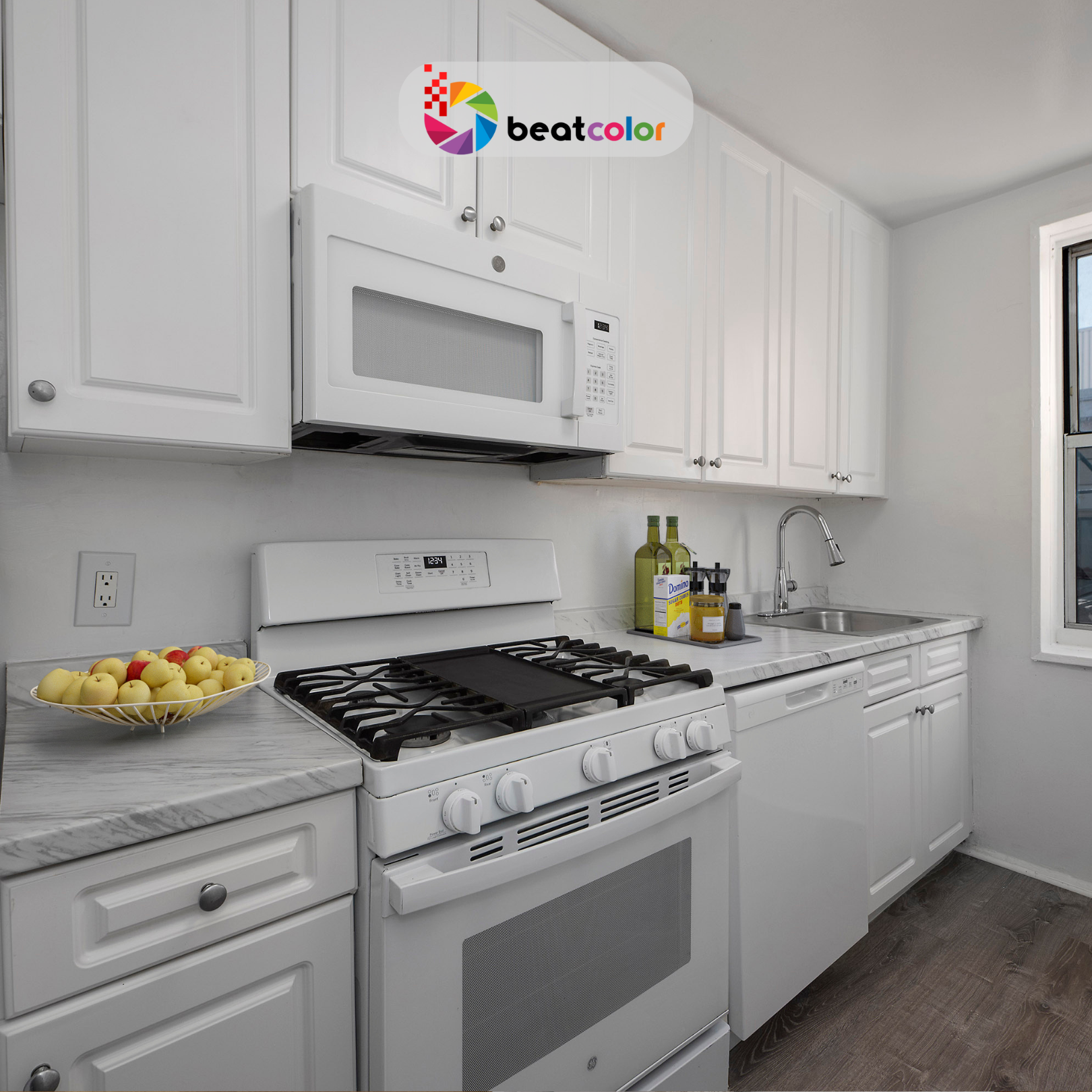
At this stage, 3D photo retouching for real estate is applied. This may involve correcting perspective, enhancing lighting, adding virtual elements, or refining materials. Throughout the process, maintaining natural balance is essential.
4. Final Review and Consistency Check
Before delivery, images are reviewed as a set. Color tones, brightness, and overall style must remain consistent so the listing feels cohesive and professional.
III. Role of 3D Editors Within These Services
Although the service defines the workflow, the quality of 3D real estate photo editing services depends heavily on the skills and judgment of 3D editors.
1. Translating Standards Into Visual Output
Editors are responsible for applying service guidelines consistently across images. They ensure that each photo meets quality benchmarks while remaining faithful to the property’s actual features.
2. Managing Realism and Accuracy
One of the editor’s most important responsibilities is avoiding over-editing. Unrealistic lighting, incorrect scale, or exaggerated colors can quickly reduce credibility. Therefore, editors must carefully balance enhancement and authenticity.
3. Handling Feedback and Revisions
Editors also manage revisions efficiently by interpreting feedback accurately. Clear understanding of client expectations helps reduce unnecessary adjustments and maintains workflow efficiency.
IV. Quality Standards and Long-Term Value of These Services
High-quality 3D real estate photo editing services are defined by clear professional standards. Consistency, accuracy, and reliability are essential because real estate visuals directly influence buyer perception.
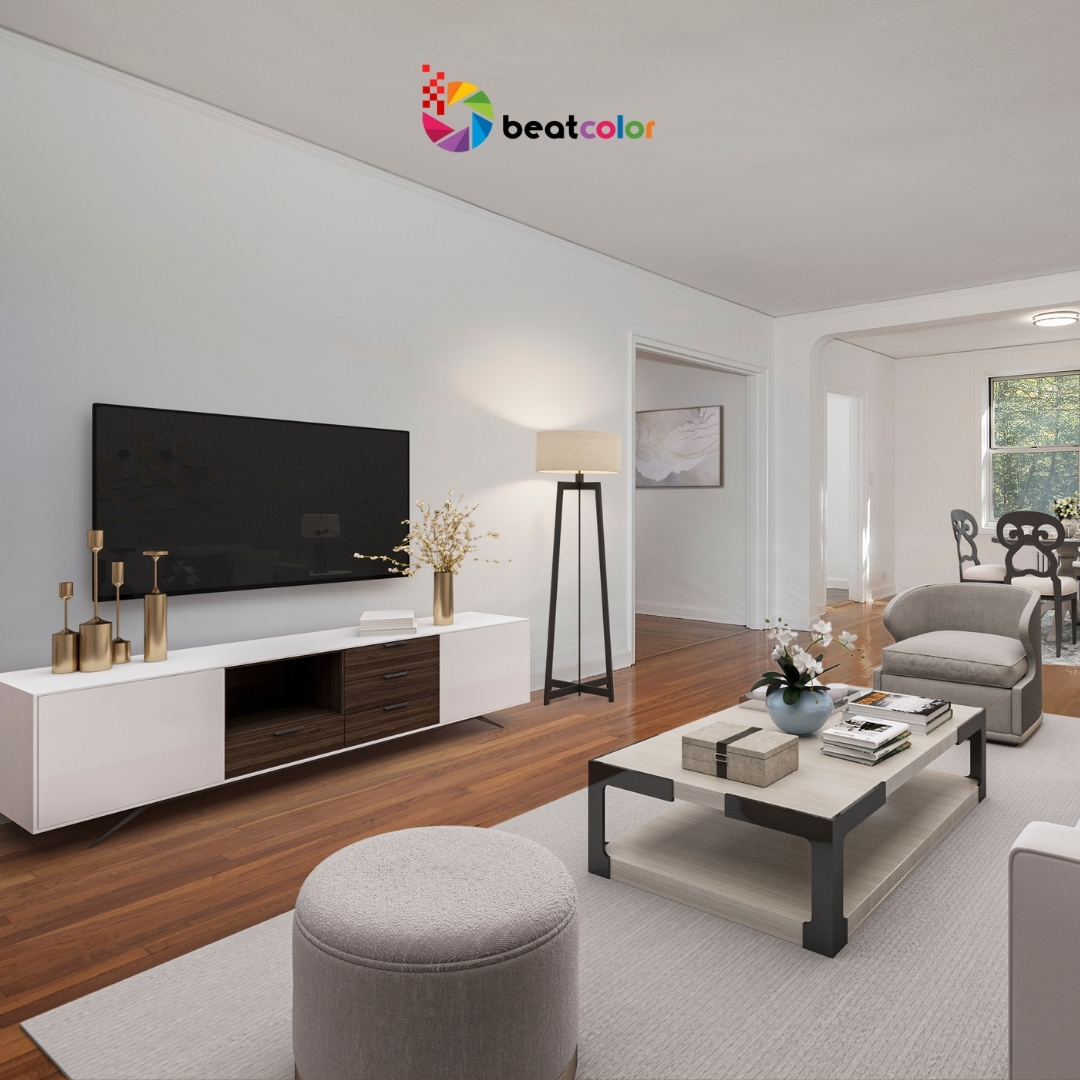
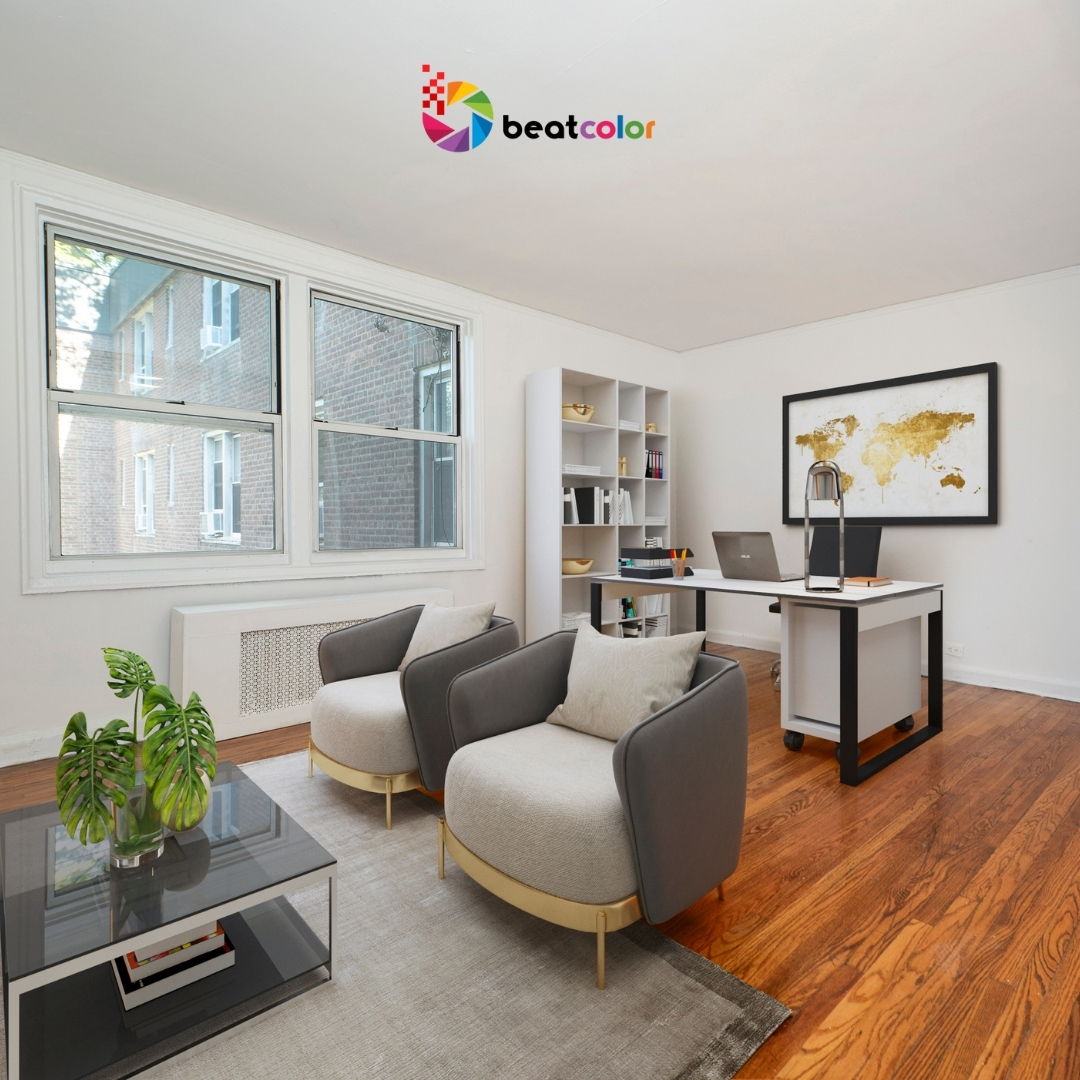
Maintaining consistent visual quality across listings helps reinforce professionalism and brand identity. Because buyers often compare multiple properties side by side, uniform image quality improves trust and recognition. In addition, realistic and well-balanced visuals reduce misunderstandings and set accurate expectations.
Over time, structured editing services also provide operational value. Reliable workflows reduce turnaround time, minimize revision cycles, and scale more effectively than ad-hoc editing solutions. As market expectations continue to rise, services that prioritize quality and consistency remain sustainable and relevant.
Final Thoughts
3D real estate photo editing services play a central role in modern property marketing by combining technical accuracy with visual clarity. Through structured workflows, defined quality standards, and skilled 3D editors, these services transform raw photographs into professional, market-ready assets. When executed correctly, they not only enhance individual listings but also support long-term brand consistency and trust in an increasingly visual real estate landscape.
Read more:
Virtual Furniture Replacement: A Strategic Shift in Property Presentation
Exterior Virtual Staging for Real Estate: Elevating Curb Appeal in the Digital Age
Interior Virtual Staging for Real Estate: Turning Empty Rooms into Buyer Magnets