
How 3D Real Estate Rendering Boosts Property Marketing
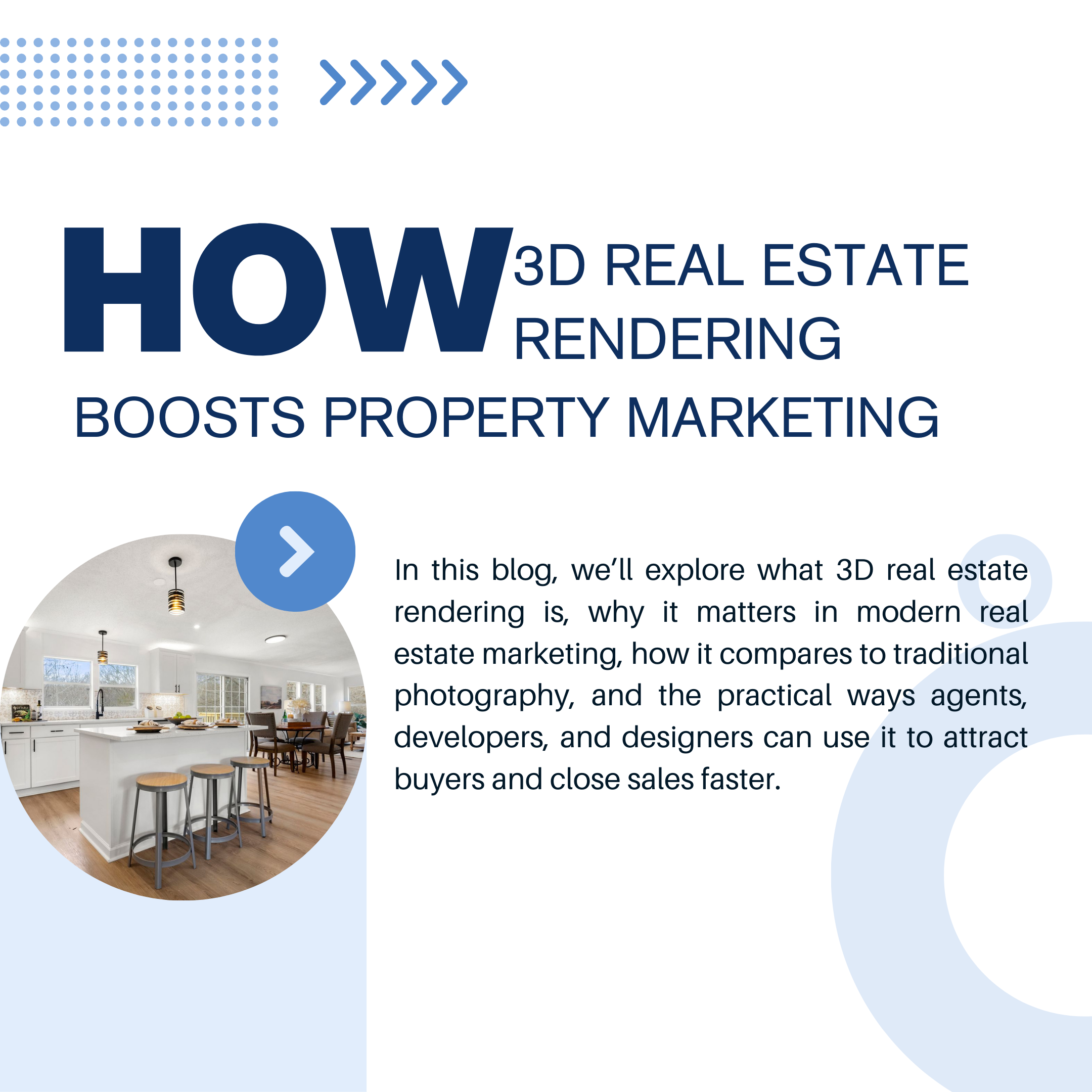
3D real estate rendering has become a game-changer in today’s competitive real estate market. Visuals are no longer just supporting elements. They often serve as the very first impression buyers notice. By providing highly realistic depictions of properties, 3D renderings make it easier for potential buyers to understand layouts, spaces, and designs before stepping inside.
In this blog, we’ll explore what 3D real estate rendering is, why it matters in modern real estate marketing, how it compares to traditional photography, and the practical ways agents, developers, and designers can use it to attract buyers and close sales faster.
I. Understanding 3D Real Estate Rendering
1. What Is 3D Real Estate Rendering?
Simply put, 3D real estate rendering is the creation of three-dimensional, photo-realistic images of a property using specialized software. And because this technique uses accurate architectural data, lighting, and textures, it can make spaces look real even before they are built. In other words, it bridges the gap between imagination and reality.
Moreover, 3D rendering provides full control over every visual element, including perspective, materials, and lighting. Therefore, designers can create visuals that highlight a property’s best features and convey the intended mood or lifestyle. This level of control is something traditional photography simply cannot achieve.
2. From Technical Tool to Marketing Solution
Originally, 3D property visualization was mainly used by architects to present building plans to clients. But as the real estate industry became more digital, it evolved into a marketing asset. Now, developers, agents, and interior designers use it to attract attention, explain layouts, and demonstrate the potential of spaces that may not yet exist.
In addition, authoritative sources like ArchDaily confirm that realistic visualizations improve client understanding and approval rates. So it’s no surprise that more real estate professionals are incorporating 3D renderings into their marketing strategies.
II. Why 3D Visualization Matters in Real Estate Marketing
1. Meeting Buyer Expectations Online
Most buyers begin their search online, and their first impression of a property can determine whether they inquire further. So, when listings include 3D real estate rendering, buyers can clearly see how rooms flow, the scale of spaces, and even how natural light fills the interior. This clarity builds confidence, which can increase engagement and reduce hesitation.

Moreover, because many listings include multiple properties or similar units, visually compelling 3D renderings help a listing stand out. In addition, they allow buyers to imagine how a space can be used, which is especially important for empty or under-construction properties.
2. Marketing Pre-Construction and Renovations
Another key advantage is the ability to market before a property is physically complete. Developers can use 3D visuals for pre-construction sales, while agents can highlight renovation potential without spending on physical staging. This flexibility not only saves time and money but also expands the reach to remote or international buyers.
III. Benefits of 3D Real Estate Rendering
1. Creative Flexibility
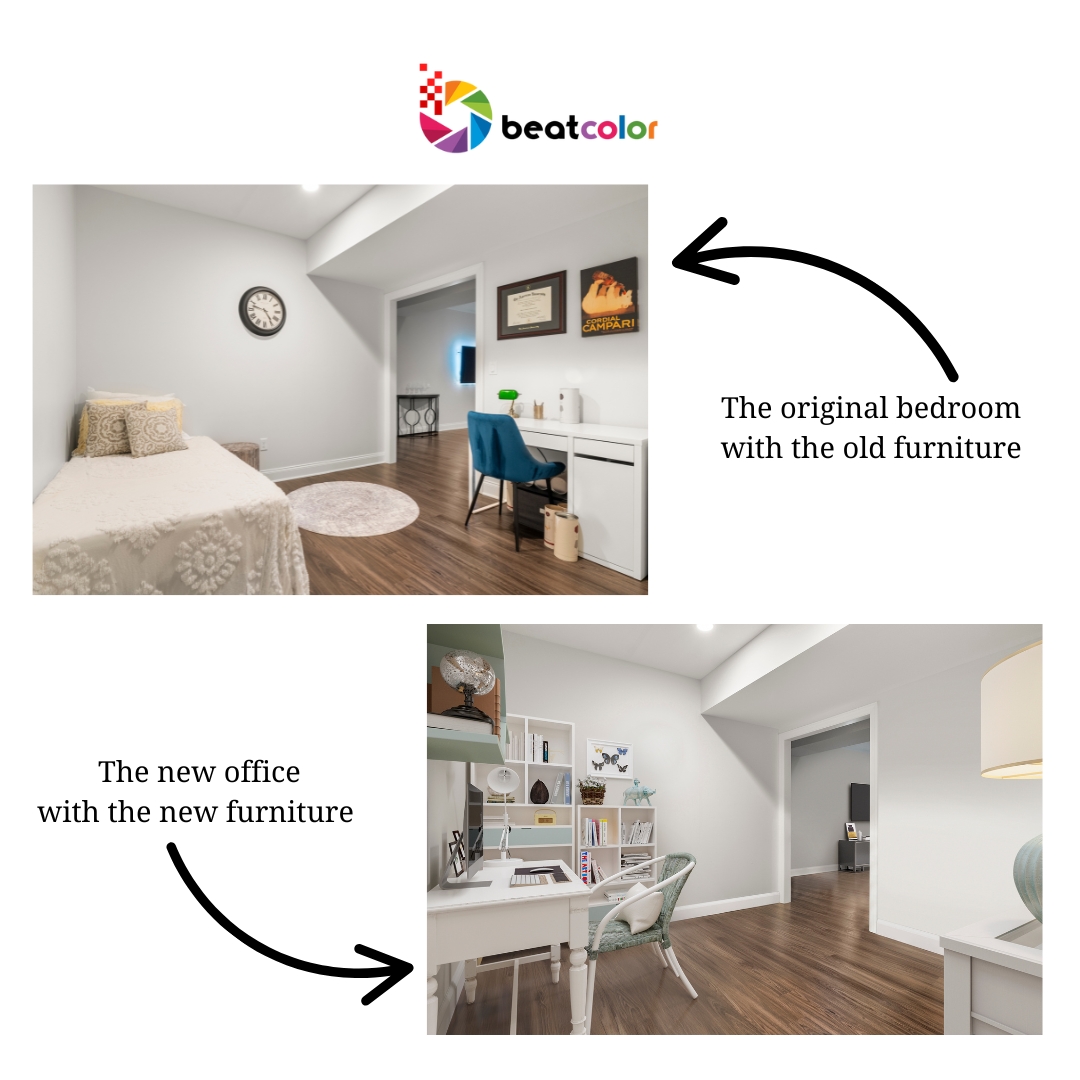
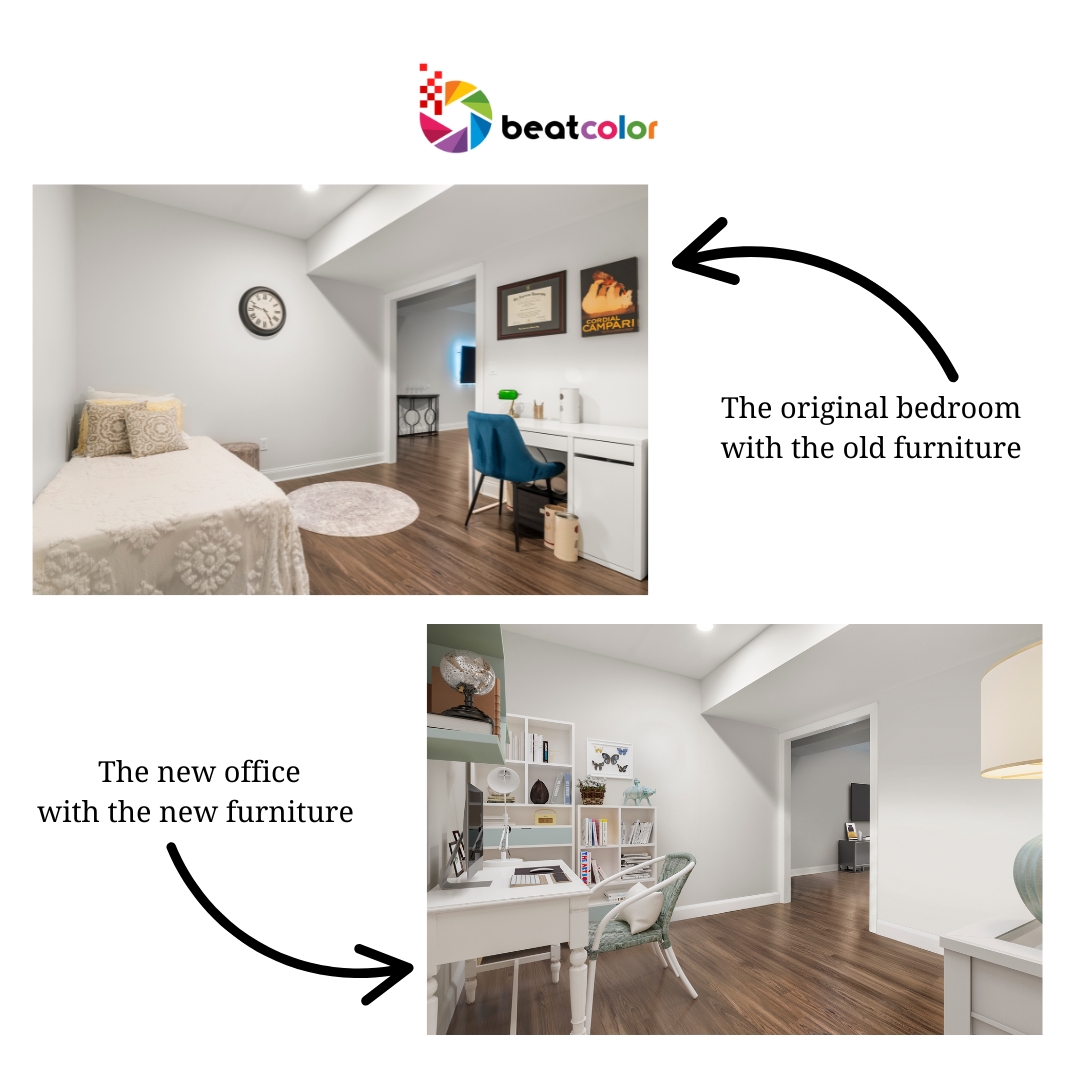
One of the biggest benefits of architectural rendering is creative freedom. Materials, furniture, finishes, and lighting can all be adjusted digitally. Therefore, marketing teams can customize visuals for different buyer demographics or promotional campaigns. And because these changes don’t require physical adjustments, costs remain low and turnaround times fast.
2. Consistency Across Listings
Consistency is critical in building trust and brand identity. With 3D property visualization, lighting, perspective, and styling remain uniform across all images. So every listing feels professional and cohesive, which is particularly important when showcasing multiple units in a development.

3. Overcoming Physical Limitations
Traditional photography relies on the right weather, time of day, and perfect conditions. But 3D real estate rendering eliminates these constraints. Exterior scenes can appear during golden hour or twilight, while interiors remain bright and well-lit, creating an aesthetically pleasing presentation regardless of reality.
IV. Comparing 3D Rendering and Traditional Photography
1. Showing Potential vs. Capturing Reality
Photography is excellent for capturing existing conditions, but it cannot visualize potential. On the other hand, 3D real estate visuals can transform empty, outdated, or unfinished spaces into warm, inviting, and functional rooms. Therefore, it’s ideal for helping buyers envision the possibilities.
2. Combining Both for Maximum Impact
Although 3D renderings are powerful, combining them with professional photography often yields the best results. Photos provide realism, while 3D visuals add imagination and flexibility. Together, they create a comprehensive visual strategy that engages buyers on multiple levels.
Explore our real estate photo editing services for cohesive visual marketing.
V. Realism and Buyer Trust
1. The Importance of Authenticity
Overly stylized visuals can backfire, creating unrealistic expectations. High-quality 3D property imagery maintains accurate proportions, realistic lighting, and textures. This ensures the property looks appealing yet believable, which is crucial for building trust.
2. Aligning with Buyer Expectations
By enhancing the property without misrepresenting it, professional renderings allow buyers to make informed decisions. As a result, listings that use 3D real estate rendering often generate higher engagement, more inquiries, and faster conversions.
VI. How 3D Visuals Improve Engagement
Visual storytelling drives decision-making. 3D real estate rendering allows buyers to experience a property virtually, imagining their daily life within the space. Therefore, the emotional connection increases, and buyers are more likely to move forward.
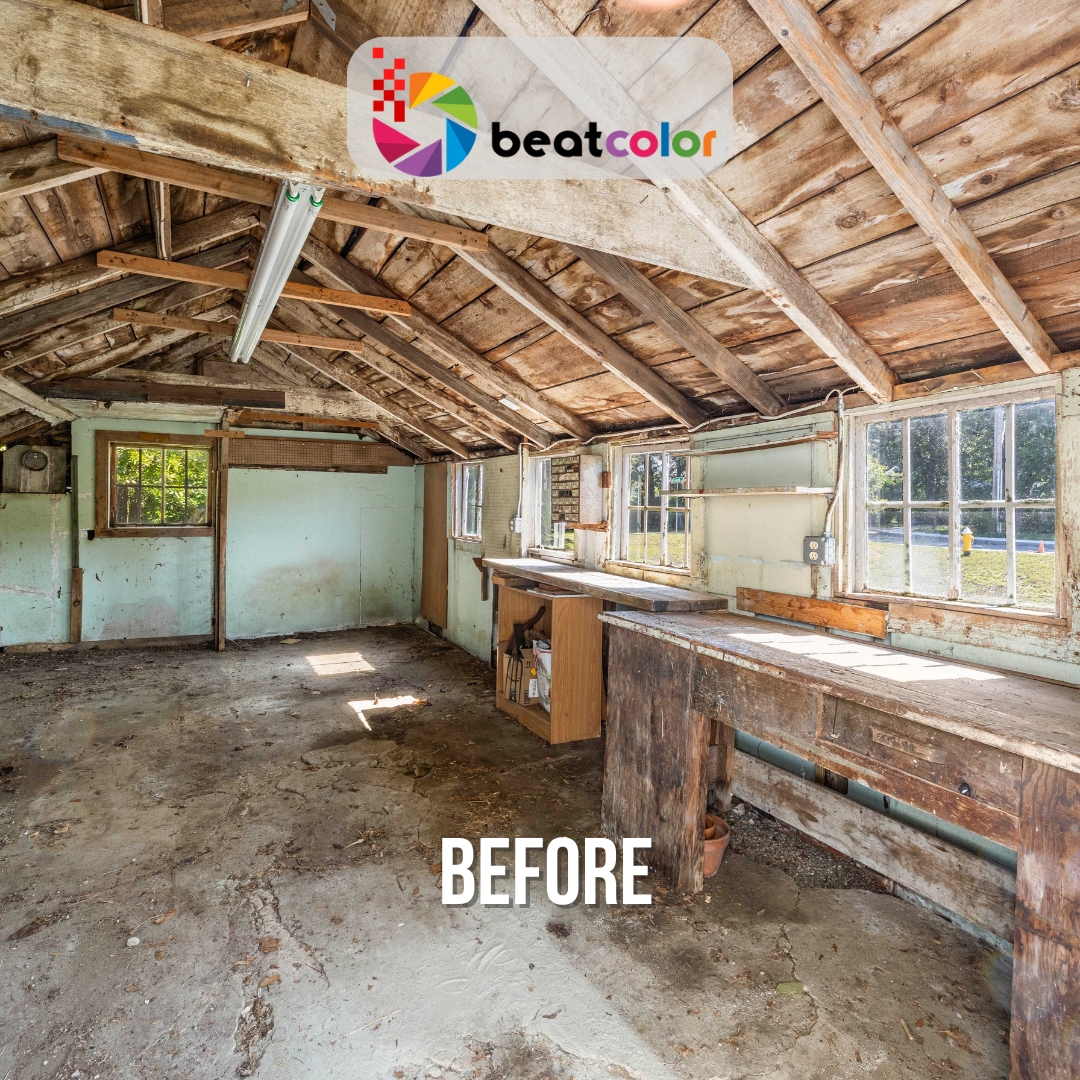
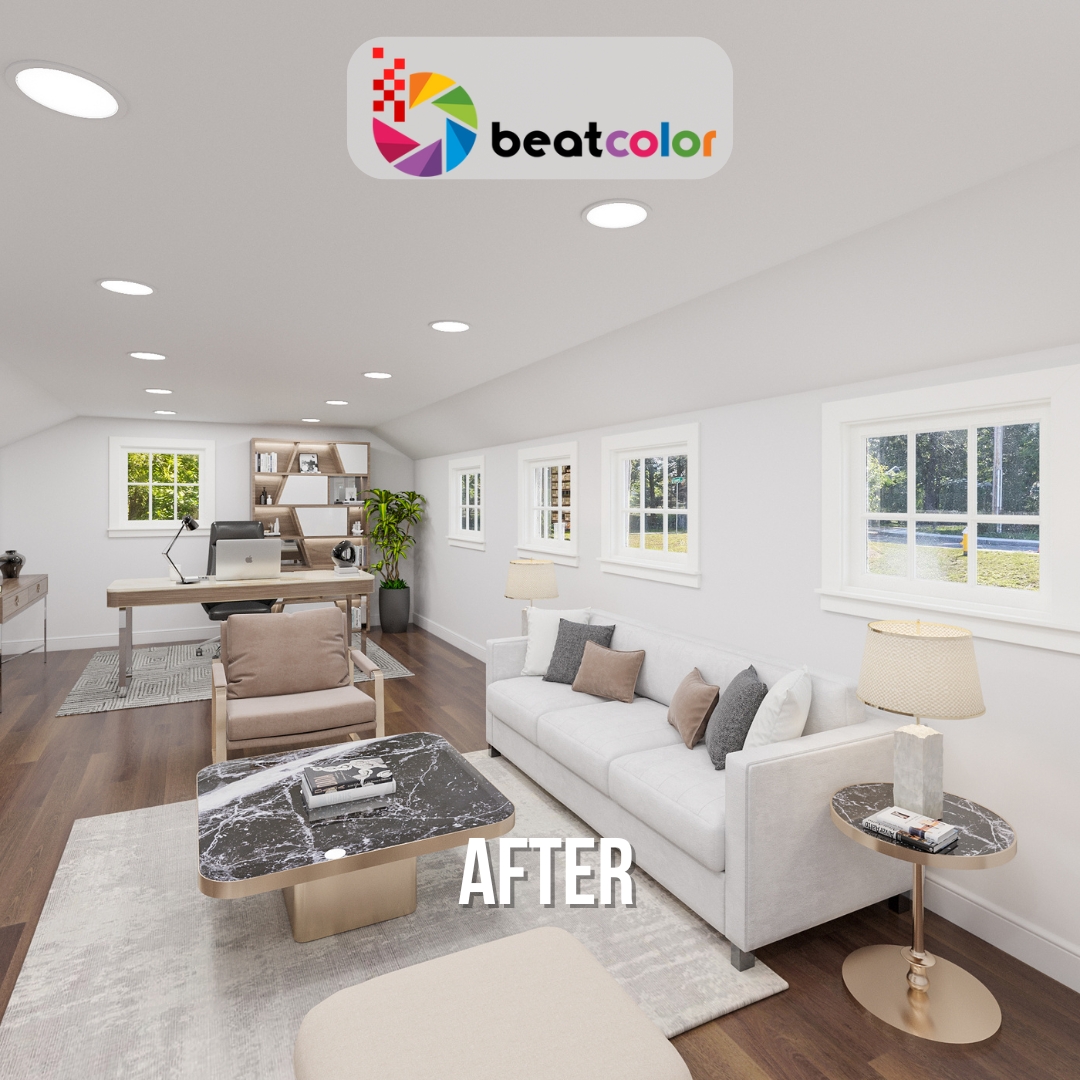
Properties featuring 3D renderings tend to perform better on MLS and real estate websites. Listings get longer viewing times, more clicks, and stronger engagement—especially for international or remote buyers who rely solely on digital content.
Final Thoughts
3D real estate rendering has shifted from a technical tool to a critical marketing strategy. By combining clarity, flexibility, and emotional impact, it allows agents, developers, and designers to tell compelling visual stories. And because the real estate market is increasingly digital-first, investing in high-quality 3D property visualization isn’t just a trend—it’s a necessity.
Those who embrace this approach can showcase properties effectively, increase buyer confidence, and ultimately accelerate sales.
Virtual Staging Real Estate: Redefining Property Marketing in a Digital Market
Modern Portrait Retouching Trends: Why Less Is More
BeatColor – Professional Real Estate Photo Editing Services in Vietnam 2025