
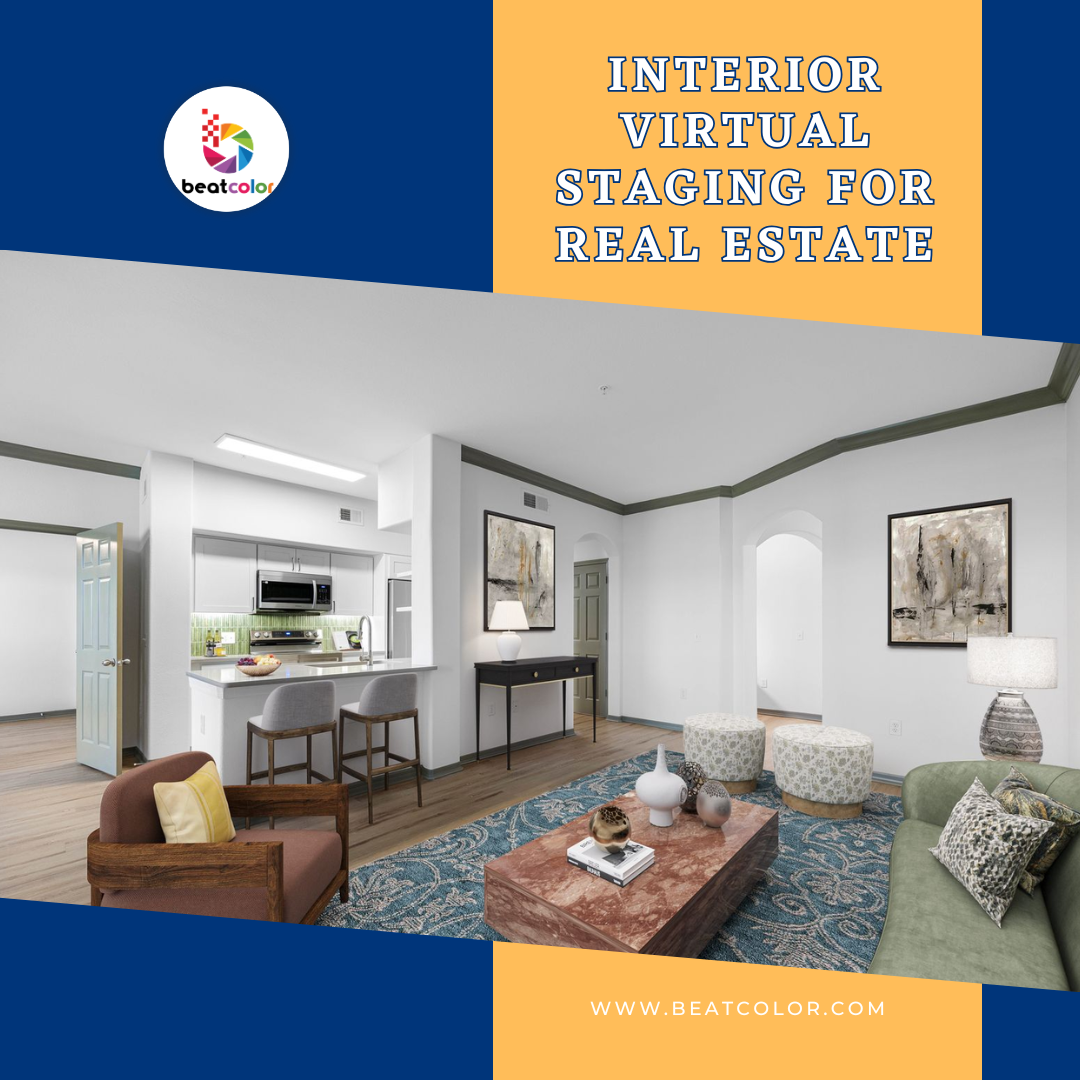
Interior Virtual Staging for Real Estate: Turning Empty Rooms into Buyer Magnets
Why First Impressions Decide Everything Online
Interior virtual staging for real estate determines whether buyers stop scrolling or click your listing. Most buyers form an opinion in under ten seconds.
Because online listings dominate property searches, visuals now carry decisive weight.
Empty rooms feel cold, confusing, and uninspiring on screens. In contrast, staged interiors feel welcoming and purposeful. Therefore, presentation directly shapes buyer curiosity and emotional response.
The Psychology Behind Virtually Staged Interiors
Buyers do not purchase square footage alone. They purchase a lifestyle they can imagine living in. Virtual staging activates this imagination instantly.
Furniture placement provides scale and context. Decor choices guide emotional interpretation of space. As a result, buyers mentally move into the home faster.
Interior virtual staging for real estate reduces mental effort during browsing. Lower effort increases engagement and listing retention.

What Makes Modern Virtual Staging So Convincing
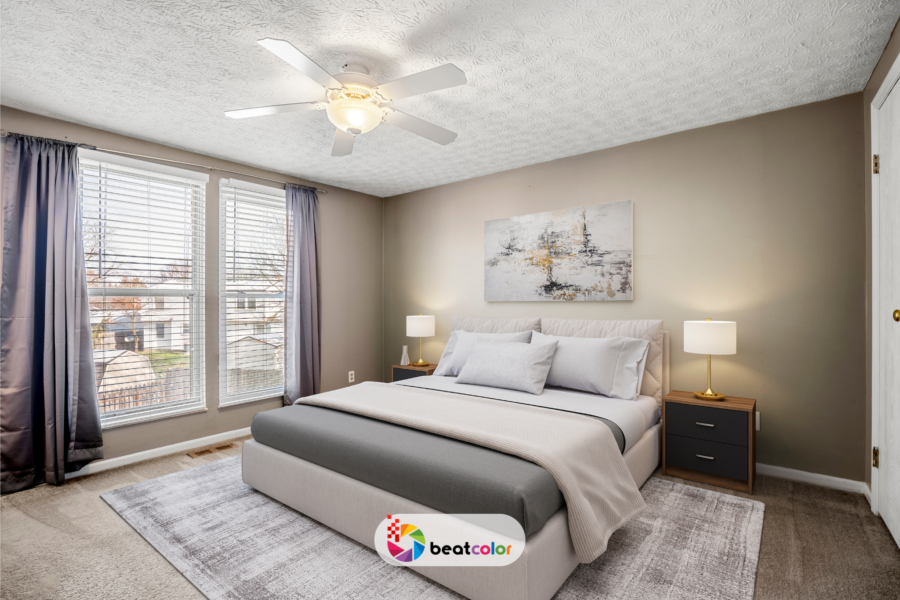
Today’s virtual staging uses advanced rendering and realistic lighting models. Textures reflect natural materials like wood, linen, and stone. Shadows and reflections match the original photo environment.
Because of these improvements, staged images feel authentic. Buyers rarely perceive them as digitally enhanced. This realism builds trust rather than skepticism.
Professional staging teams also follow interior design principles. Balance, flow, and proportion remain carefully controlled.
How Virtual Staging Accelerates Buyer Action
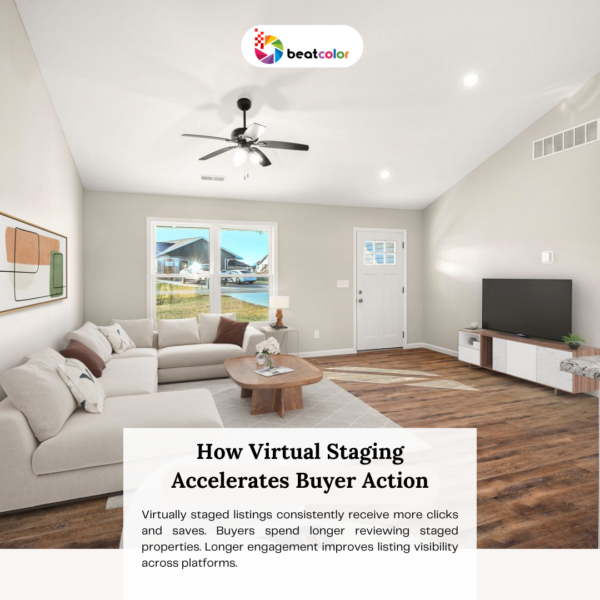
Virtually staged listings consistently receive more clicks and saves. Buyers spend longer reviewing staged properties. Longer engagement improves listing visibility across platforms.
Additionally, staged homes generate stronger showing requests. Buyers arrive with clearer expectations and greater interest. This momentum often shortens decision timelines. Interior virtual staging for real estate creates urgency by clarifying potential. Clear vision reduces hesitation.
Pricing Power Created Through Perception
Perceived value strongly influences buyer offers. Staged interiors appear better maintained and move-in ready. This perception supports stronger initial pricing.
When buyers emotionally connect, price resistance decreases. Negotiations shift toward value instead of defects. Consequently, sellers protect margins more effectively.
Even small visual upgrades can influence perceived quality dramatically.
Cost Advantages That Benefit Every Listing Tier
Traditional staging involves logistics, rentals, and ongoing fees. These costs quickly escalate if a property lingers unsold. Virtual staging avoids these risks entirely.
Interior virtual staging for real estate offers predictable pricing. Listings can be staged room by room strategically. This control improves marketing efficiency.
Because revisions are digital, updates remain fast and affordable.
Style Flexibility That Matches Buyer Expectations
Virtual staging adapts easily to market demographics. Urban buyers prefer clean, minimal layouts. Family buyers respond to warmth and functionality.
Luxury markets expect refined materials and spacious arrangements. Virtual staging supports these variations effortlessly. One property can appeal to multiple audiences.
This adaptability increases relevance across buyer segments.
Ethical Transparency Builds Buyer Trust
Clear disclosure of virtual staging is essential. Transparency protects credibility and brand reputation. Buyers appreciate honesty during early impressions.
Staged images must represent the true layout accurately. Misleading visuals damage long-term trust. Ethical staging strengthens professional relationships.
Responsible use ensures sustainable marketing success.
Rooms That Deliver the Highest Emotional Impact
Living rooms generate the strongest emotional response. They anchor lifestyle perception. Kitchens follow closely due to social and functional importance.
Primary bedrooms influence comfort and privacy expectations. Staging these rooms yields the highest return. Secondary spaces can remain optional.
Strategic focus improves cost efficiency and results.
Interior Virtual Staging as a Competitive Advantage
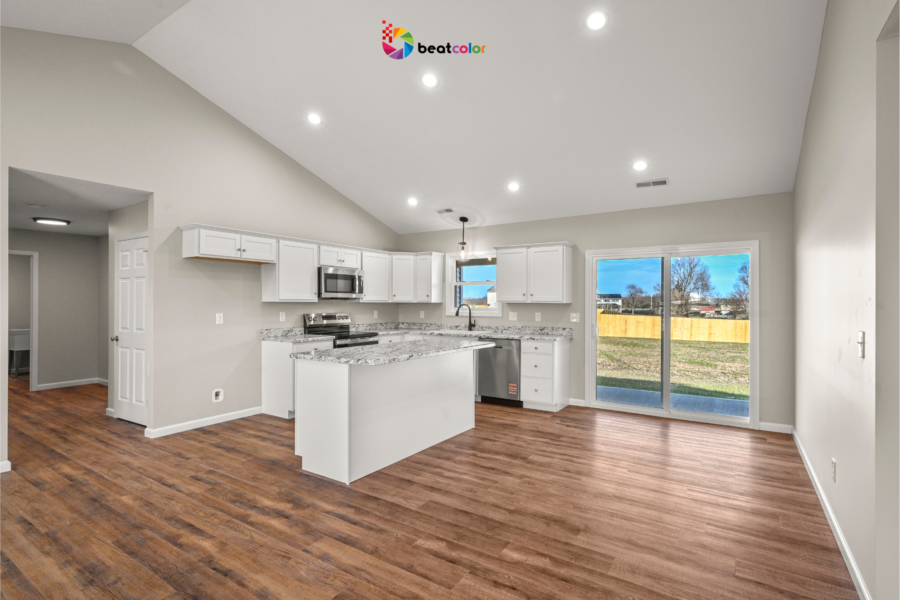
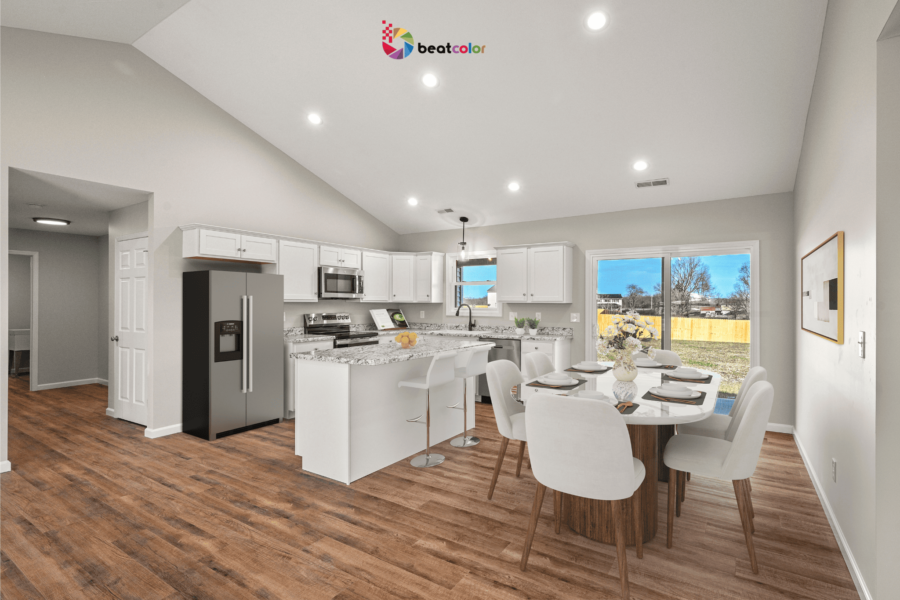
Interior virtual staging for real estate separates strong listings from average ones. In crowded markets, differentiation drives attention. Attention drives inquiries.
As buyer behavior continues shifting online, visuals gain importance. Agents who invest in staging stay ahead. Those who ignore it risk invisibility.
Final Thought: Selling Vision Before Square Footage
Interior virtual staging for real estate sells vision before structure. It transforms empty interiors into emotional experiences. That transformation drives faster, stronger decisions.
In modern real estate, imagination sells homes. Virtual staging provides that imagination instantly.
Read more:
How 3D Real Estate Rendering Boosts Property Marketing
Virtual Staging Real Estate: Redefining Property Marketing in a Digital Market
10 Tips in Real Estate Photo Editing for Beginners