
Modern Portrait Retouching Trends: Why Less Is More
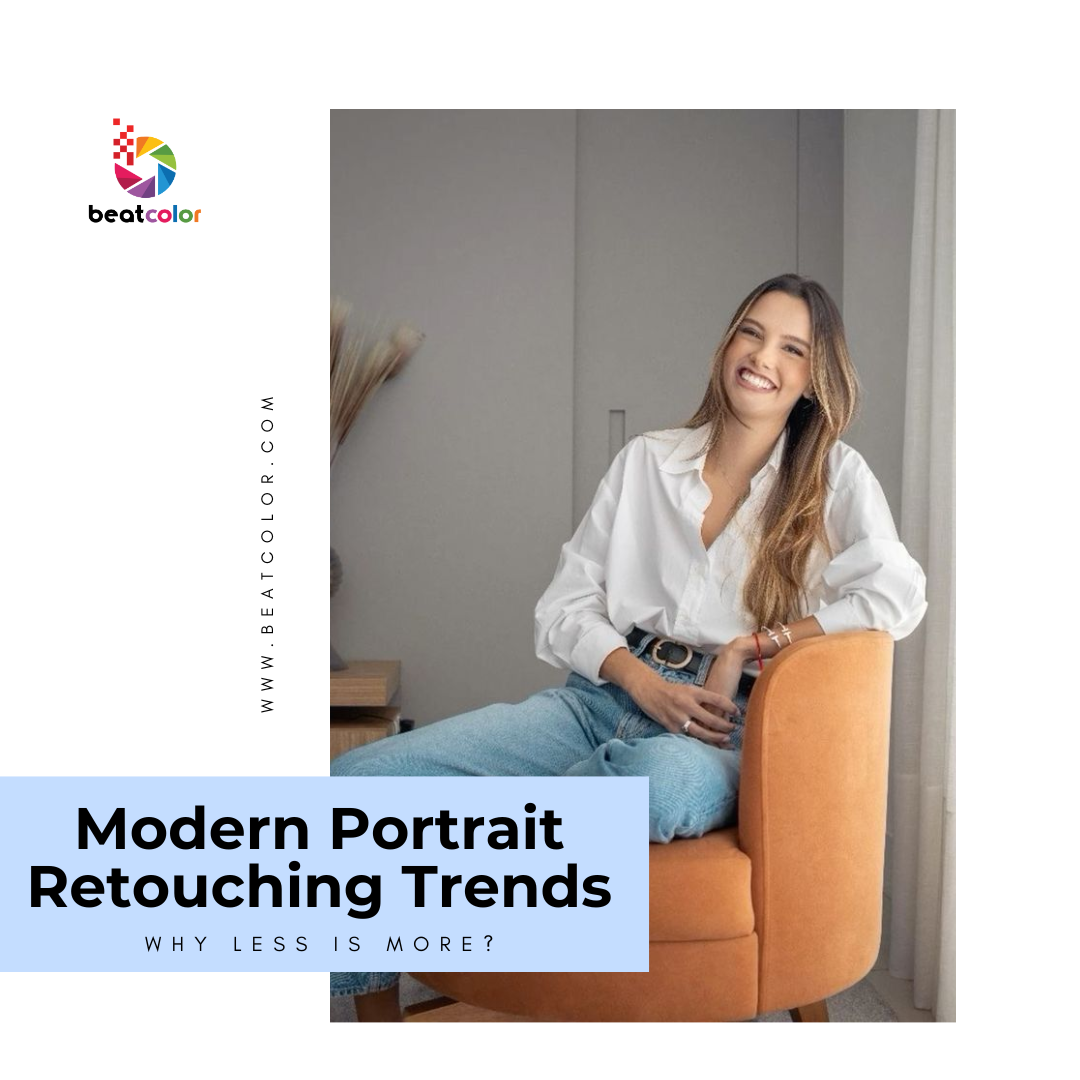
Portrait photography no longer aims to erase reality. Instead, it seeks to refine it with intention and restraint. Modern portrait retouching reflects this shift clearly. In 2026, subtle enhancement will define professional quality. Excessive edits now feel outdated and visually untrustworthy. As a result, minimalism has become the dominant retouching philosophy.
This change did not happen suddenly. It emerged from audience behavior, technology, and cultural awareness. Viewers now recognize overprocessed faces instantly. They also respond negatively to unrealistic beauty standards. Therefore, portrait retouching must evolve accordingly.
The Changing Definition of a Good Portrait
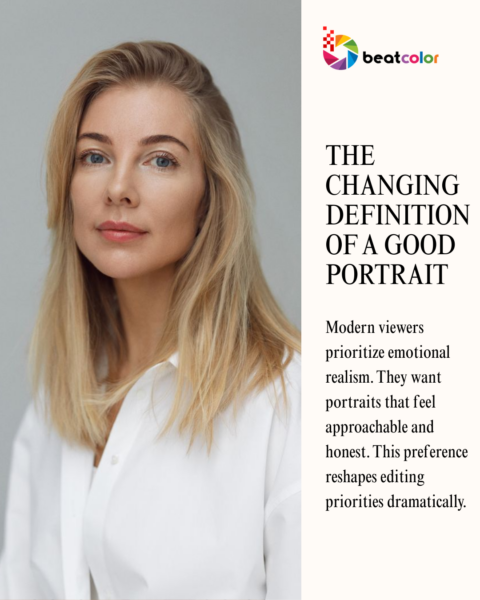
A good portrait once meant technical perfection. Smooth skin, sharp eyes, and ideal proportions were expected. However, modern viewers prioritize emotional realism. They want portraits that feel approachable and honest. This preference reshapes editing priorities dramatically.
Today, a strong portrait retains texture and natural variation. Small imperfections are no longer flaws. Instead, they signal authenticity and individuality. This perspective encourages retouchers to edit with purpose. Every adjustment must justify its presence.
Why Over-Retouching No Longer Works
Heavy retouching often disconnects the viewer from the subject. When skin loses texture, faces lose credibility. Audiences subconsciously detect artificial smoothing. As a result, trust in the image declines.
Recent visual studies from marketing platforms confirm this pattern. Natural portraits achieve higher engagement rates across channels. This trend applies especially to personal branding images. Corporate headshots follow the same logic increasingly.
Therefore, less retouching strengthens visual communication. It allows the subject’s personality to remain visible. This approach aligns with modern expectations of transparency.
Technology Enables Subtle Precision
Modern software makes minimal retouching more achievable than ever. AI-assisted tools now analyze facial structure intelligently. They reduce distractions without flattening natural details. This precision supports a lighter editing hand.
In 2024 and 2025 updates, Adobe emphasized adaptive masking. These tools target specific areas selectively. Consequently, retouchers avoid global overcorrections. Editing becomes surgical rather than aggressive.
Additionally, automated workflows reduce repetitive tasks. This frees time for thoughtful refinements. Subtlety benefits from attention, not speed alone.
Skin Texture Is No Longer the Enemy
Earlier retouching trends treated skin texture as a problem. Today, texture defines realism and depth. Professional retouchers now preserve pores deliberately. They balance tone without erasing surface detail.
Techniques like controlled dodge and burn remain essential. However, they are applied conservatively. The goal is dimensionality, not perfection. Light shapes the face gently, not dramatically.
This method produces portraits that age better visually. They remain relevant across platforms and time.

Color Correction Over Color Manipulation
Modern portrait retouching favors accurate color reproduction. Skin tones must reflect real lighting conditions. Over-stylized grading can distort identity. Therefore, restraint dominates color workflows.
Editors now prioritize neutral balance first. Then, they introduce minor tonal direction. Warmth, contrast, and saturation receive careful moderation. This maintains consistency across diverse skin tones.
Importantly, inclusive color practices influence these decisions. Portrait editing must respect natural variation. Uniform color standards are increasingly rejected.
Minimal Retouching Supports Personal Branding
Personal branding relies heavily on visual trust. Portraits serve as first impressions across digital spaces. If an image feels artificial, credibility suffers. Minimal retouching protects authenticity.
Professionals now request portraits that reflect reality. They want confidence, not cosmetic illusion. This applies to executives, creatives, and entrepreneurs alike. Subtle edits enhance presence without misrepresentation.
Consequently, retouching becomes a support tool. It should never dominate the visual message.
Commercial Portraits Follow the Same Rule
Even commercial portrait photography has changed direction. Advertising now favors relatable faces. Brands seek emotional connection, not visual distance.
Campaigns increasingly feature visible texture and expression. This approach aligns with social responsibility messaging. Consumers reward honesty with loyalty. Therefore, minimal retouching becomes a strategic choice.
Editors working in commercial contexts must adapt. The old aesthetic risks undermining campaign goals.

Common Mistakes That Still Persist
Despite the shift, some habits remain difficult to abandon. Excessive eye whitening remains a frequent issue. Over-sharpening also disrupts natural balance. Facial reshaping often crosses ethical boundaries.
Modern retouching discourages these practices strongly. Each adjustment should remain invisible to the viewer. If the edit becomes noticeable, it likely failed.
A successful portrait never announces its retouching. It simply feels right.
The Future of Portrait Retouching
Looking ahead, portrait retouching will continue simplifying. Tools will grow smarter, not heavier. Editors will guide technology, not rely on it blindly.
The industry increasingly values ethical representation. This influences both technique and intention. Less editing does not mean less skill. It requires stronger judgment and visual literacy.
Ultimately, restraint defines mastery.
Conclusion
Modern portrait retouching prioritizes realism, precision, and respect. The “less is more” philosophy reflects cultural and technical progress. Audiences demand authenticity across visual media. Minimal edits meet that demand effectively.
In 2026, the best portrait retouching will remain unseen. It enhances without transforming. It supports identity instead of replacing it. That is why less truly delivers more.
Read more:
BeatColor – Professional Real Estate Photo Editing Services in Vietnam 2025
Behind Every Stunning Listing: The Role of Real Estate Photo Enhancement
Interior Decor Ideas for Real Estate Photos: Boost Your Listings with Virtual Staging