
The Commercial Value of Real Estate Photo Editing in 2025
In today’s commercial market, real estate photos are no longer just supplementary content. They are the first point of contact between a property and potential buyers. How these images are presented can directly affect whether a viewer continues exploring or moves on immediately. That is why real estate photo editing has become a crucial tool in marketing and commercial strategy.
In this blog, we will explore how professional real estate photo editing enhances visual appeal, strengthens brand perception, and ultimately influences buyer decisions in an increasingly competitive digital marketplace.
I. The Commercial Impact of Images on Buyer Decisions
1. Buyers make decisions in seconds
Most potential buyers do not read detailed descriptions at first glance. They scroll quickly and stop only when an image is visually appealing. Dark, flat, or poorly composed photos are often skipped, even if the property has excellent potential.
When real estate photo editing is applied properly, images become brighter, clearer, and more inviting. A well-presented space encourages viewers to linger longer, increasing the chance of engagement. Just a few extra seconds of attention can create a significant commercial advantage in a competitive market.

2. Images guide viewer emotions
Images are not just for looking, they are for feeling. Light, color, and space arrangement influence how viewers perceive a property. Professionally edited photos can make a space feel warm, spacious, and comfortable from the first glance.
Real estate photo editing ensures that visuals convey the property’s potential accurately. When positive emotions form early, viewers are more likely to become serious prospects, creating tangible commercial results.
II. Commercial Value: How Images Affect Perceived Property Worth
1. Perceived value starts with visuals
Property value is determined not only by numbers but also by perception. Poorly presented spaces often feel cramped and outdated. Conversely, professionally edited images make the same space appear bright, spacious, and premium.
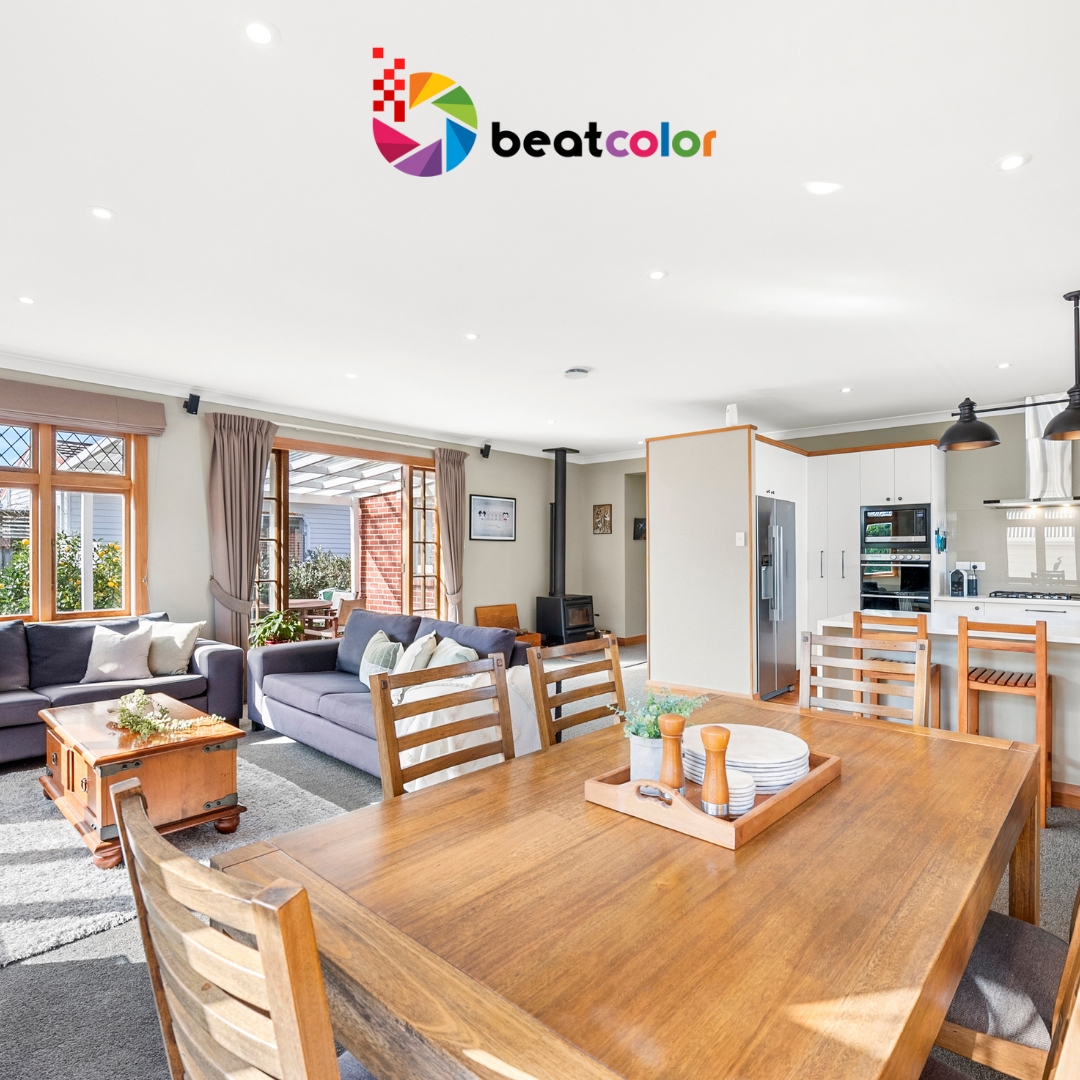
Real estate photo editing doesn’t change reality, but it communicates the property’s true value effectively. When buyers perceive value through images, they are more open to pricing, providing a clear commercial advantage.
2. Images reduce price-focused comparison
High-quality visuals shift attention from strict price comparison to overall property appeal. Buyers focus on whether the property meets their needs and lifestyle rather than just price. From a commercial perspective, strong visuals help a property avoid competing solely on price. This is critical in markets with many similar listings.
III. Commercial Strategy: Real Estate Photo Editing in Marketing
On real estate websites, images keep visitors engaged. Professionally edited visuals encourage users to stay longer and explore more pages. This improves user experience and supports long-term commercial goals. Real estate photo editing ensures images are consistent, professional, and aligned with brand positioning, which is vital for building trust with potential buyers.
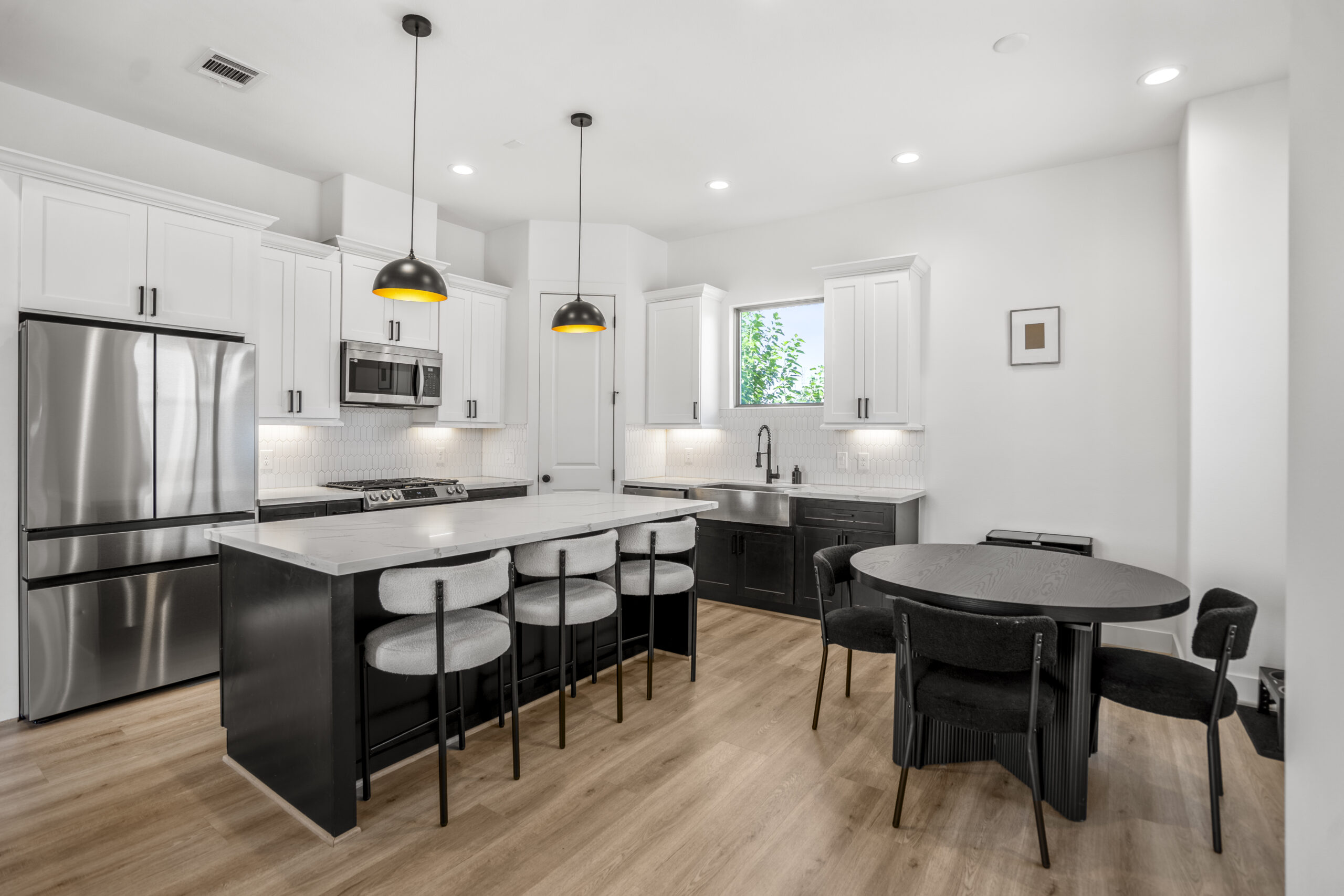
In paid ads, visuals are the first thing viewers notice. An eye-catching image often determines whether they click. Properly edited images improve the commercial performance of ads, increasing conversions while potentially lowering costs. Many agencies see measurable benefits when they invest seriously in real estate photo editing.
IV. Real Estate Photography and Editing in Practice
1. Real estate photography as the foundation
Real estate photography provides the base images, but raw photos are rarely ready for marketing use. Lighting, weather, and real-world conditions are often imperfect. Photo editing is essential to polish images for commercial purposes while maintaining authenticity.

2. Combining photography and editing for commercial results
When real estate photography is paired with professional editing, images achieve a balance between technical accuracy and emotional appeal. This makes the property appear professional, trustworthy, and market-ready. This combination is becoming a standard for businesses aiming for sustainable commercial advantages in competitive markets.
V. Virtual Staging and Commercial Applications, Investment
1. Real estate virtual staging & application
Empty properties make it hard for buyers to visualize potential. Virtual staging fills these spaces with realistic furniture and décor, creating compelling imagery. This is one of the most effective uses of real estate photo editing in commercial campaigns, especially for new apartments or investment properties.
When buyers see a fully staged space, they can easily envision themselves living there. This increases the likelihood of interest and inquiries. Virtual staging transforms image editing into a commercial tool that drives real buyer decisions.

2. A commercial investment
Many consider photo editing an optional cost. In reality, it is an investment with tangible commercial returns. Faster sales or better first impressions can outweigh the initial cost of editing many times over.
Real estate photo editing ensures consistent, professional visual branding. As buyers recognize high-quality imagery, trust in the brand grows. Combined with real estate photography, editing becomes the foundation of a long-term commercial strategy.
Final Thoughts
In real estate, you are not just selling a property. You are selling a perception of value. Properly executed real estate photo editing creates a strong commercial impact, enhancing marketing effectiveness and accelerating sales.
When paired with professional real estate photography, edited images help properties reach the right audience, evoke the right emotions, and secure a lasting competitive advantage.
Read more:
Adobe’s Evolution in a Rapidly Changing Digital Landscape
Interior Decor Ideas for Real Estate Photos: Boost Your Listings with Virtual Staging
10 Tips in Real Estate Photo Editing for Beginners