
Real Estate Video Editing vs Photography: Which Converts Better in 2026?

In 2026, real estate marketing has evolved rapidly. Video content now plays a central role in property promotion. However, photography remains important for listings and impressions. Real estate professionals ask: which medium converts better? In this article, we analyze real estate video editing vs photography using current trends, data, and expert opinions. We also explain why each format still matters and how to use them together for maximum performance.
The Current State of Real Estate Marketing
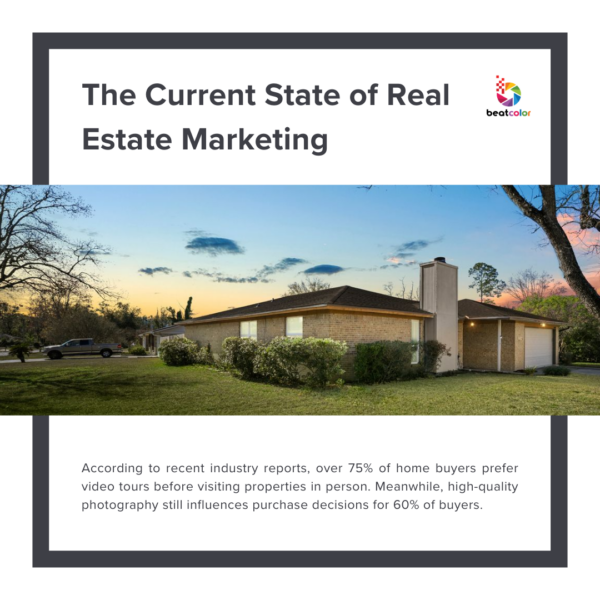
In 2026, consumers expect immersive and dynamic content. According to recent industry reports, over 75% of home buyers prefer video tours before visiting properties in person. Meanwhile, high-quality photography still influences purchase decisions for 60% of buyers. This means both mediums are valuable, but they serve different roles in conversion journeys.
Video content dominates social platforms like TikTok, Instagram, and YouTube. These platforms prioritize engagement signals such as watch time and interaction. Real estate videos frequently attract more attention than static photos. Yet photography remains essential on property portals and MLS listings due to fast loading times and easy viewing.
What Is Real Estate Video Editing?
Real estate video editing transforms raw footage into polished property tours. This includes:
- Cutting eye-catching clips
- Adding smooth transitions
- Enhancing colors and lighting
- Including background music and voiceovers
- Inserting property details and branding
Professional video editing helps buyers understand property flow. It also highlights key features that may not show well in photo form. Videos can range from quick 30-second reels to full walkthrough tours.
Why Real Estate Photography Still Matters
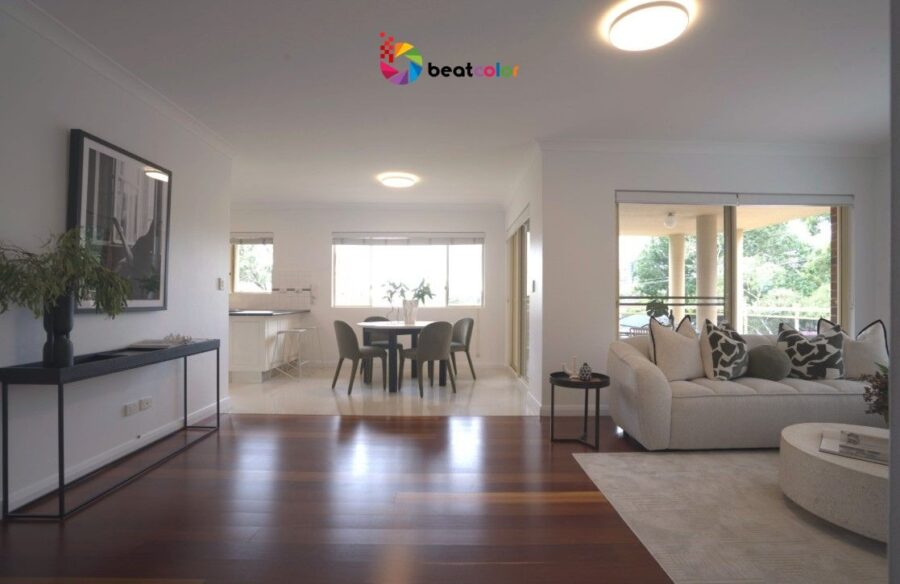
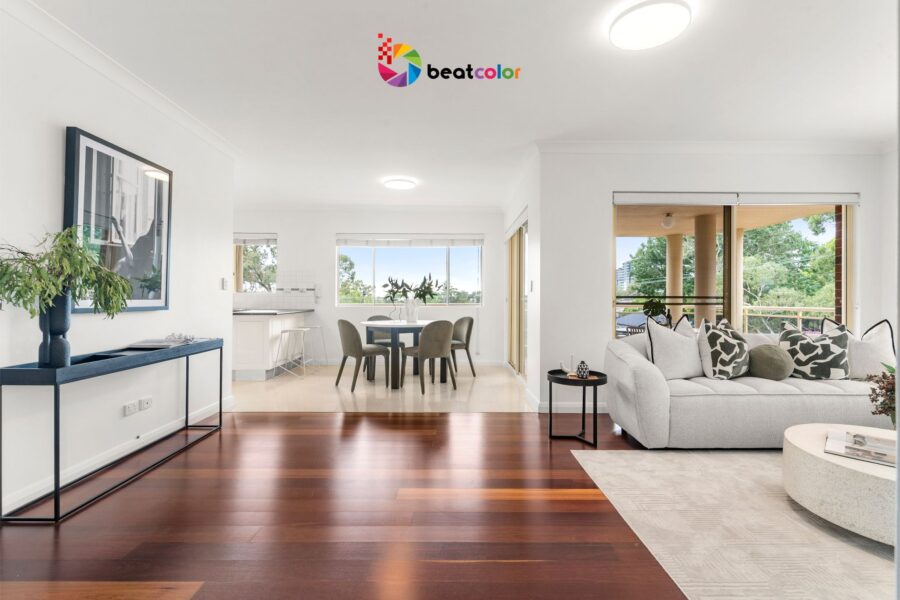
Photography captures detailed property visuals in single frames. Professionals use HDR (High Dynamic Range) to balance indoor lighting. Sharp photography draws attention to textures and architectural details. For search engines and property platforms, photos still load faster and increase listing visibility.
Great photography also builds trust. Buyers often form first impressions from photos. If images appear low quality or poorly composed, buyers may skip the listing altogether. This means photography remains a non-negotiable marketing asset.
Data: Engagement and Conversion
Data from the National Association of Realtors and digital marketing studies show clear trends:
- Listings with video tours receive up to 403% more inquiries than those without.
- Properties advertised with video content spend 2 to 4 weeks less on market.
- Photo-only listings still lead in click through on MLS because photos load instantly.
These statistics show that video drives deeper engagement and stronger action. Yet photo quality determines first impressions and initial clicks.
Transitioning smoothly between media types strengthens marketing campaigns. Real estate agents who combine videos with excellent photos experience the best results overall.
SEO Impact: Real Estate Video Editing vs Photography
Search engine optimization benefits from both video and photography. Google and other search engines increasingly index video content. Embedding videos on property pages increases time on page, a strong SEO signal. Longer engagement helps pages rank better for competitive keywords like “luxury homes near me” and “real estate walkthrough tours.”
Meanwhile, optimized image files help search engine visibility in image search results. Using descriptive filenames and alt text improves indexing and local search relevance. Photo galleries also provide keyword context when captions are optimized.
Thus, combining videos and images strengthens SEO. Transitioning between them in the same listing enhances visibility across search channels.
Social Media and Buyer Engagement with Real Estate Video Editing
Social platforms reward short, engaging video clips. For example, TikTok and Instagram Reels often show real estate tours that capture attention within seconds. These formats support quick storytelling and encourage shares.
On the other hand, carousel posts filled with photography still work well on Instagram and Facebook. Photos provide snapshots of key property features. Both formats drive traffic back to the listing page or website.
In this context, real estate video editing helps tell compelling stories. High-quality photography provides visual proof and clarity. Transition words and engaging captions guide buyers through both.
Cost Considerations in 2026
Creating video content typically costs more than photography. Professional video editing requires more time, skills, and software tools. However, investment in video content often yields higher returns due to increased inquiries and faster sales.
Photography remains less expensive and faster to produce. Many real estate professionals can get great photos with advanced smartphone cameras and HDR imaging. Still, professionals who invest in both high-end photography and video editing appear more credible and attract higher-value buyers.
Buyer Behavior and Conversion Paths
Modern buyers often begin their search online. They scroll listings, watch short videos, and flip through photo galleries. Over 80% of buyers say virtual content influences their decision before seeing a property in person.
Real estate video editing excels in showing spatial layout and flow. Buyers report feeling more confident about the layout after watching a video tour. Photos, however, allow buyers to inspect details closely. Together, they create a complete understanding of the property.
This synergy is why hybrid marketing strategies convert better.
Best Practices for 2026 Real Estate Content
To maximize conversions, real estate professionals should follow these best practices:
- Produce concise video tours that highlight key features in 60 to 90 seconds.
- Use professional editing to ensure smooth transitions and perfect lighting.
- Include property photography that shows detail, angles, and finishes.
- Optimize all media for search engines using descriptive tags and filenames.
- Embed videos on property pages to increase time on site and SEO strength.
- Share videos and photos across social platforms for broader reach.
These practices increase visibility, engagement, and conversions.
The Future: 3D Tours and AI Video Tools
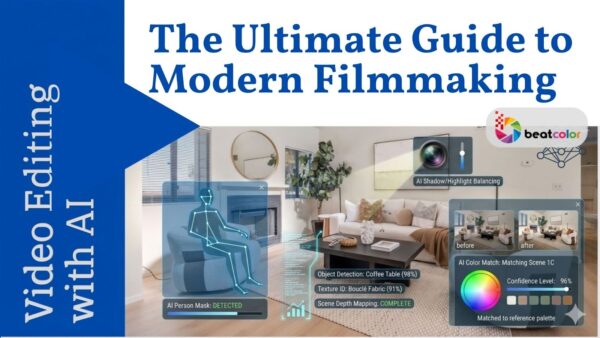
In 2026, innovations like AI video editing tools and 3D virtual tours are becoming mainstream. AI can now automate much of the editing process. It reduces cost and speeds production without sacrificing quality.
3D tours allow buyers to explore properties interactively. These tours blend video, photos, and spatial mapping. They also improve buyer confidence and shorten decision cycles.
Transition technology like this signals a future where media diversity matters more than ever.
Conclusion: Which Converts Better?
In direct comparison, real estate video editing often drives stronger conversions when used correctly. It boosts engagement, increases inquiries, and accelerates sales. However, photography remains essential for first impressions and visual clarity.
The highest-performing real estate listings in 2026 use a combination of both video and photography. Investing in edited video content elevates marketing impact. Pairing it with great photos ensures buyers click, watch, and act.
Ultimately, video and photography support different steps in the buyer journey. Used together, they create compelling experiences that convert better than either medium alone.
Read more:
3D Virtual Tour for Real Estate: A Smarter Way to Market Properties
AI Virtual Staging for Real Estate: Should You Choose AI or Human Virtual Staging?
Exterior Virtual Staging for Real Estate: Elevating Curb Appeal in the Digital Age