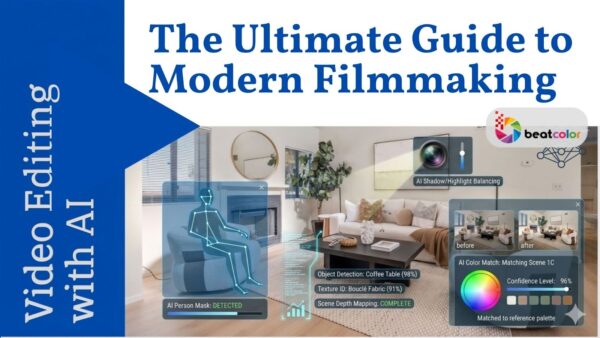

Virtual Furniture Replacement: A Strategic Shift in Property Presentation
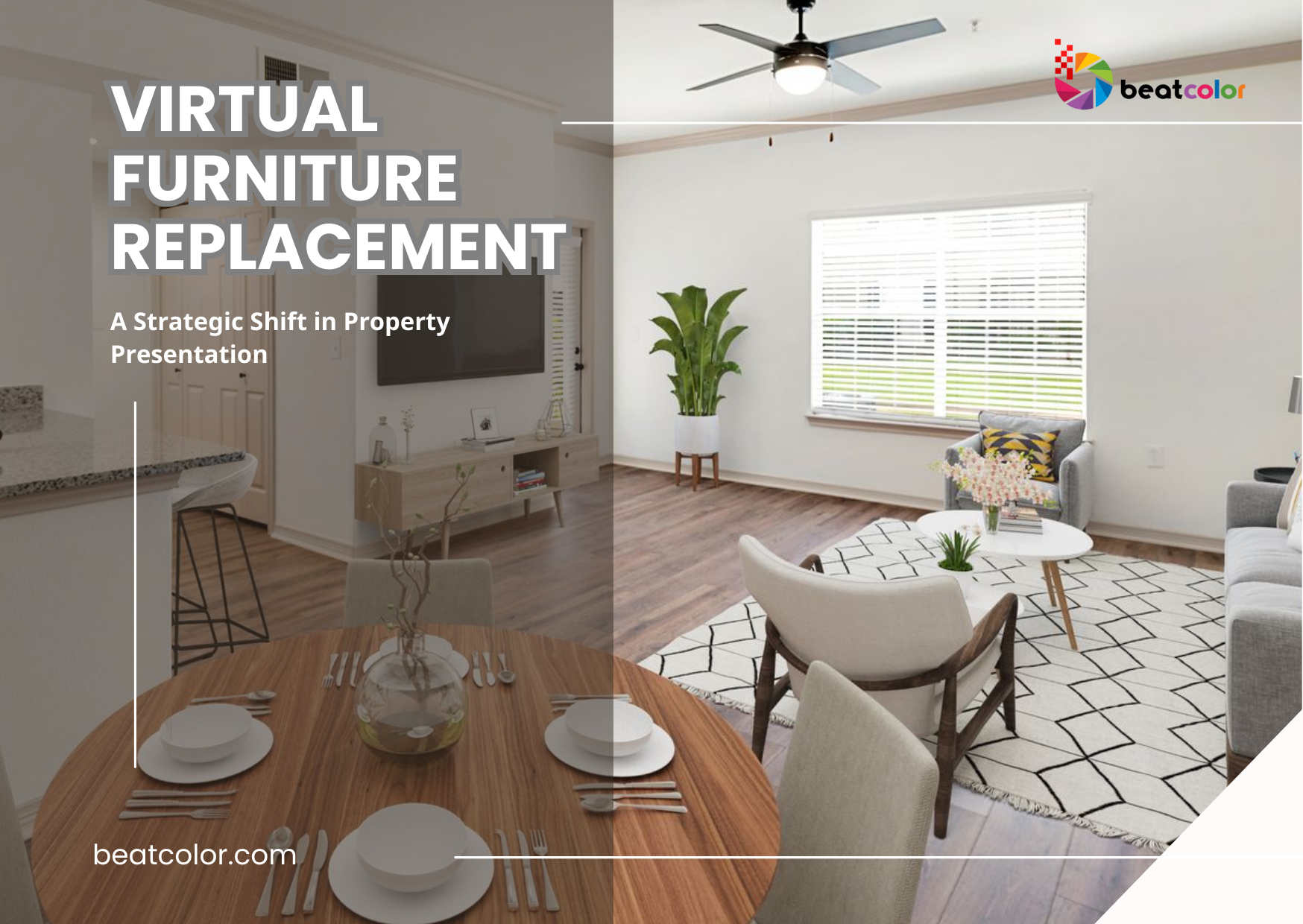
Virtual furniture replacement is no longer a visual trend. It has become a strategic tool in real estate marketing. Today’s buyers judge properties before ever stepping inside. Images now carry the full weight of first impressions.
As a result, visual accuracy and emotional appeal matter equally. This is where virtual furniture replacement proves its value. It removes distractions caused by outdated or mismatched furnishings. Then it replaces them with intentional, buyer-focused design.
Unlike traditional staging, this approach is entirely digital. However, its influence on perception is very real. Listings appear cleaner, more relevant, and easier to imagine living in. Therefore, buyer engagement increases earlier in the sales funnel.
Understanding Virtual Furniture Replacement Clearly
Virtual furniture replacement means digitally removing existing furniture from listing photos. After removal, new virtual furniture is added intentionally. The replacement aligns with current interior design preferences. It also reflects the likely lifestyle of target buyers.
This process differs from staging empty rooms. It focuses on improving what already exists visually. Old furniture, tenant clutter, or poor layout choices are corrected digitally. Consequently, rooms feel cohesive rather than chaotic.
Importantly, this technique maintains room proportions accurately. Walls, windows, and architectural details remain untouched. Only the furniture narrative changes. That distinction preserves buyer trust while enhancing appeal.

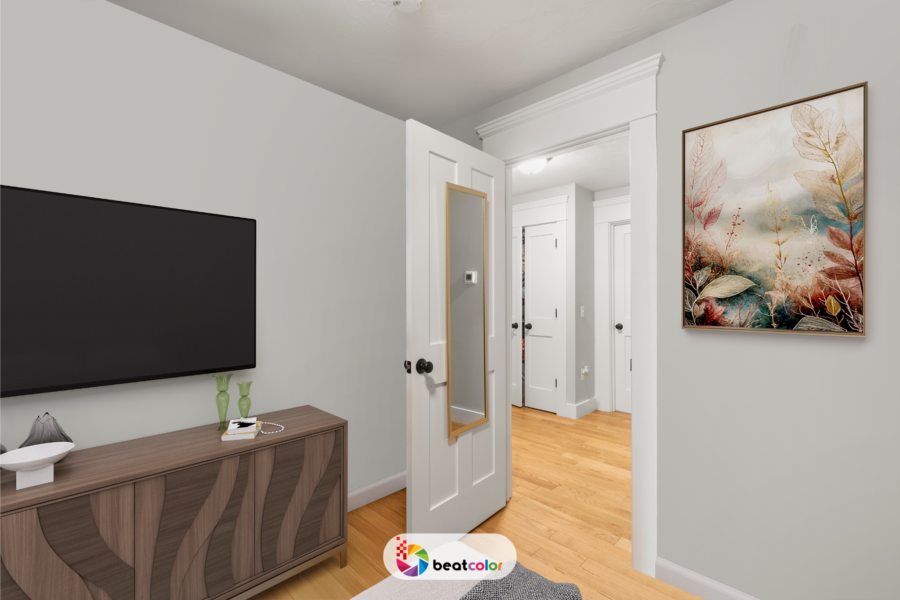
Why This Method Is Gaining Momentum
Buyer behavior has changed significantly in recent years. Most property searches now start online. Scrolling speed is fast, and attention spans are short. Images must communicate value immediately.
Virtual furniture replacement answers this demand efficiently. It upgrades visuals without altering the physical property. Sellers avoid moving furniture or scheduling new photo shoots. Meanwhile, agents gain consistent presentation across listings.
Additionally, replacement allows design experimentation without risk. Multiple styles can be tested digitally. This flexibility supports diverse buyer preferences within one listing strategy. As a result, reach expands without extra cost.
Financial and Operational Advantages
Cost efficiency is a major driver of adoption. Physical staging requires logistics, labor, and storage. Virtual furniture replacement eliminates these operational burdens. Expenses remain predictable and scalable.
Time efficiency also improves listing workflows. Design changes occur digitally within short turnaround windows. Properties reach the market faster. Speed often influences buyer interest and offer timing.
Moreover, digital replacement extends content lifespan. Older listing photos can be refreshed strategically. This avoids repeated photography expenses. Marketing assets remain usable longer.
Buyer Psychology and Visual Decision Making
Buyers rarely analyze images logically at first glance. Instead, they respond emotionally. Furniture placement guides how spaces feel and function. Poor furniture choices can distort perceived room size.
Virtual furniture replacement corrects these perception gaps. Proper scale improves spatial understanding instantly. Balanced layouts feel comfortable and realistic. This clarity supports stronger emotional attachment.
Additionally, modern furniture signals property relevance. Outdated interiors suggest deferred maintenance subconsciously. Updated visuals imply care and readiness. That perception encourages confidence in the property.

Design Trends Influencing Replacement Choices
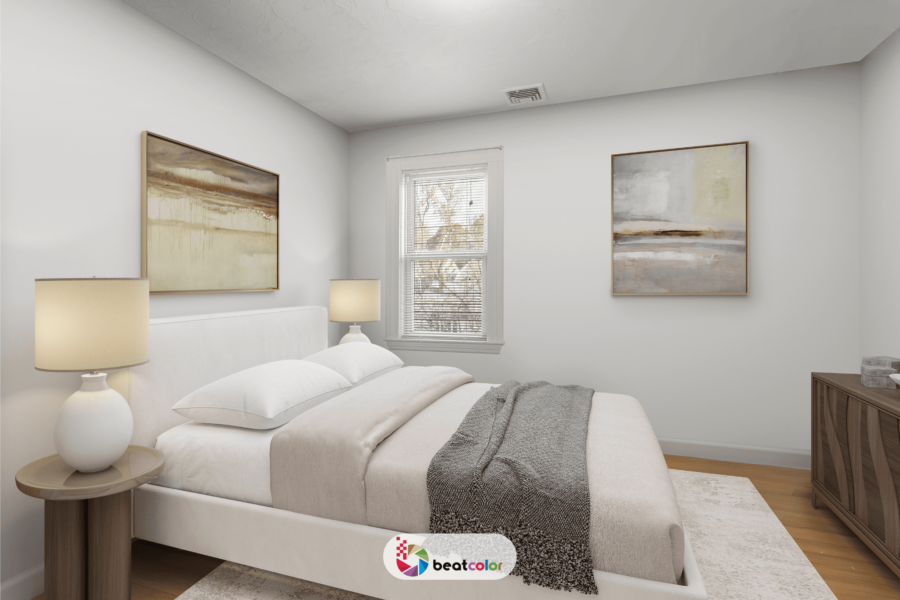
Current replacement trends favor simplicity and warmth. Neutral tones dominate digital furniture libraries. Textures add depth without visual noise. This combination appeals across buyer demographics.
Another emerging preference is multifunctional furniture. Desks, storage seating, and flexible layouts are common. These reflect modern living habits. Remote work expectations now shape interior visuals.
Sustainability cues also influence design selection. Natural materials appear frequently in virtual replacements. Buyers associate these visuals with healthier living environments. Even digitally, these signals matter.
Technology Driving Better Results
Advancements in rendering technology improve realism. Shadows now match natural light directions accurately. Textures respond correctly to perspective changes. This realism reduces visual skepticism.
Artificial intelligence assists furniture placement decisions. Algorithms evaluate room dimensions automatically. Furniture scale adjusts precisely. This minimizes human error.
Additionally, integration with 3D tours is increasing. Virtual furniture replacement now complements immersive experiences. Buyers explore furnished spaces interactively. Engagement time increases significantly.
Ethical Transparency and Best Practices
Transparency remains essential when using digital enhancements. Listings should disclose virtual modifications clearly. This builds trust with buyers. Misrepresentation risks legal and reputational consequences.
Best practice focuses on enhancement, not deception. Furniture should reflect realistic use scenarios. Avoid oversized or luxury items inconsistent with property value. Accuracy sustains credibility.
Professional providers follow strict visual standards. They maintain architectural integrity. Furniture never blocks exits or alters structure perception. Ethical execution protects long-term brand trust.
Long-Term Impact on Real Estate Marketing
Virtual furniture replacement influences buyer expectations permanently. Consumers now anticipate polished visuals. Raw or cluttered photos feel outdated. Professional presentation becomes the baseline.
Agents using consistent replacement strategies build stronger branding. Listings appear cohesive across platforms. This visual consistency improves recognition. Brand trust grows over time.
Looking ahead, digital presentation will dominate property marketing. Virtual furniture replacement sits at the center of this shift. It balances efficiency, realism, and buyer psychology. That balance defines its lasting value.
Closing Perspective
Virtual furniture replacement is not cosmetic editing. It is a visual strategy grounded in buyer behavior. When executed correctly, it reshapes perception without distortion. This makes it a powerful modern marketing tool.
As markets grow increasingly competitive, visual clarity matters more. Those who adapt early gain attention advantages. Ultimately, better visuals lead to better decisions. And better decisions drive successful transactions.
Read more:
Exterior Virtual Staging for Real Estate: Elevating Curb Appeal in the Digital Age
Interior Virtual Staging for Real Estate: Turning Empty Rooms into Buyer Magnets
How 3D Real Estate Rendering Boosts Property Marketing