
Virtual Staging vs Traditional Staging: A Smart Comparison for Modern Real Estate Marketing
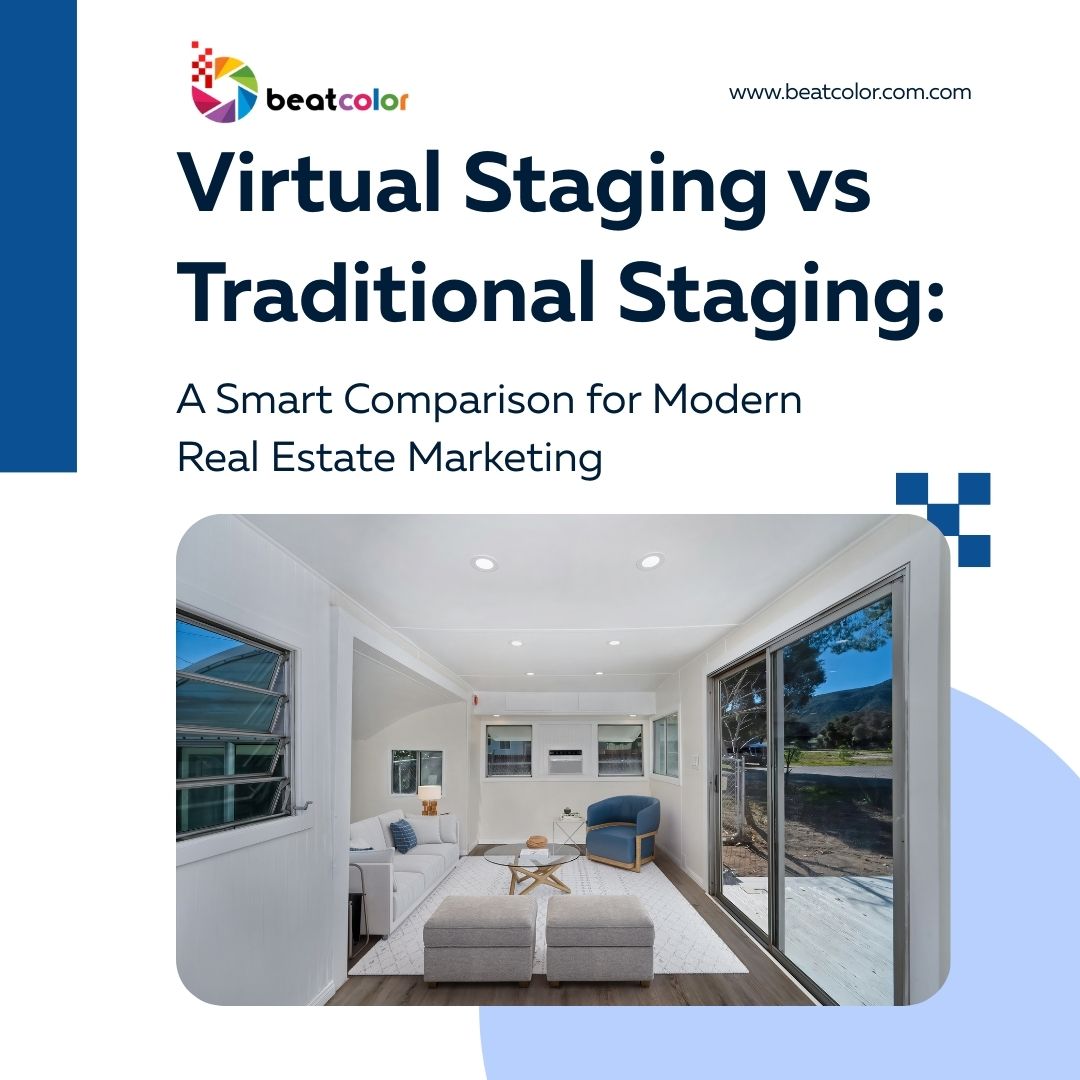
In the real estate world, first impressions are everything. Before buyers ever step inside a property, they already form opinions based on listing photos. That’s why the discussion around Virtual Staging vs Traditional Staging has become increasingly important for agents, sellers, and developers alike. Both home staging methods aim to highlight a property’s potential, but they approach the goal in very different ways.
In this blog, we’ll share a clear and practical comparison between virtual staging and traditional staging. You’ll learn how each method works, their advantages and limitations, when to use each option, and how to choose the right staging solution based on budget, timeline, and target buyers.
I. Home Staging Explained: Two Popular Approaches
1. What Is Traditional Home Staging?
Traditional staging is the process of physically furnishing and decorating a property. Professional stagers bring real furniture, lighting, rugs, artwork, and accessories to create a warm and inviting atmosphere.
Because buyers can walk through the space, this method helps them understand room proportions and traffic flow. However, traditional staging often requires more coordination, higher costs, and longer preparation time. Still, for certain listings, the in-person experience can be very persuasive.
2. What Is Virtual Staging?
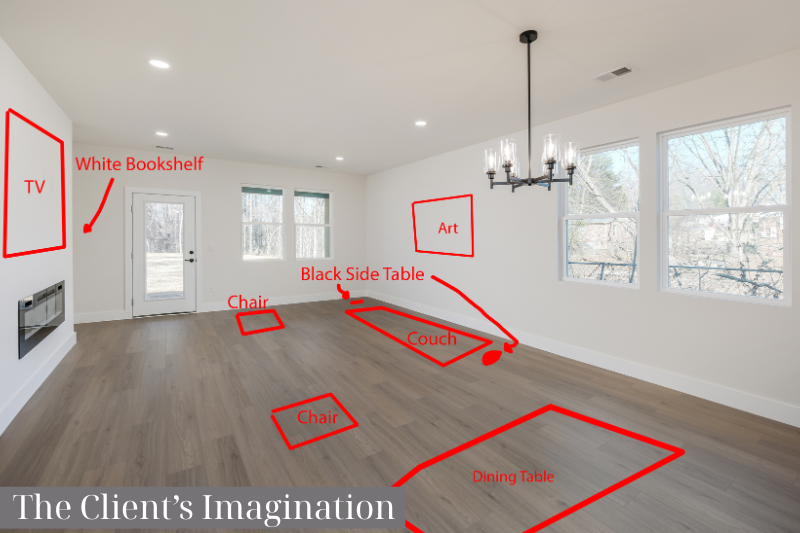
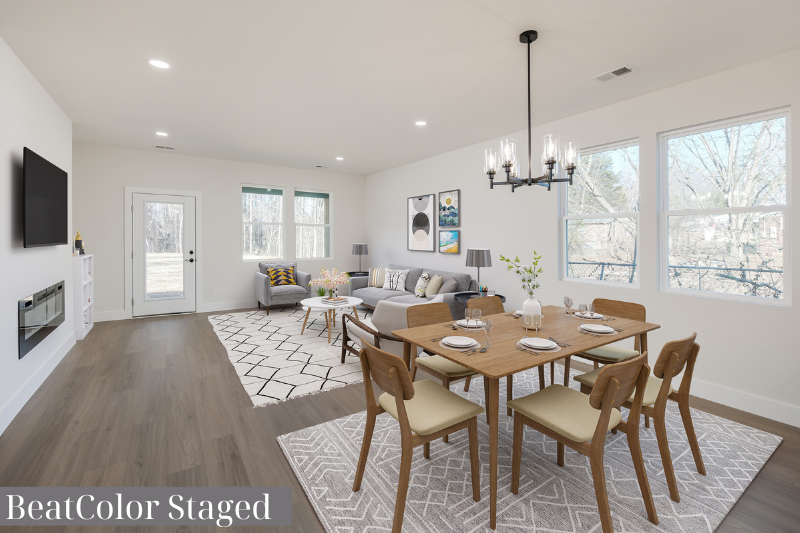
Virtual staging uses digital design to place furniture and décor into real estate photos. Instead of renting furniture, designers digitally enhance images to show how a space could look when furnished.
As a result, virtual staging has become a preferred solution for vacant homes, apartments, and new developments. Many real estate professionals rely on services such as BeatColor Virtual Staging to deliver realistic, high-quality visuals quickly and at a lower cost.
II. Virtual Staging vs Traditional Staging: Core Differences
1. Cost and Budget Considerations
Traditional staging can be expensive. It usually includes furniture rental, delivery, setup, and monthly fees. Therefore, the total cost increases the longer a home stays on the market.
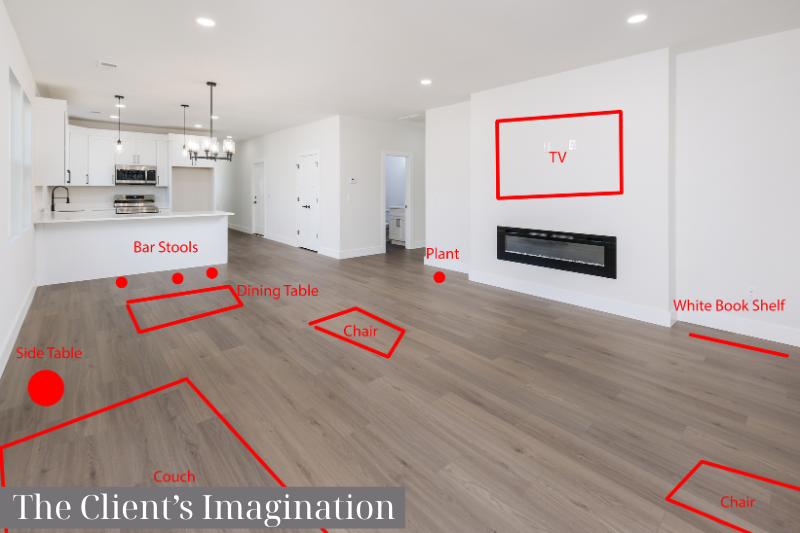
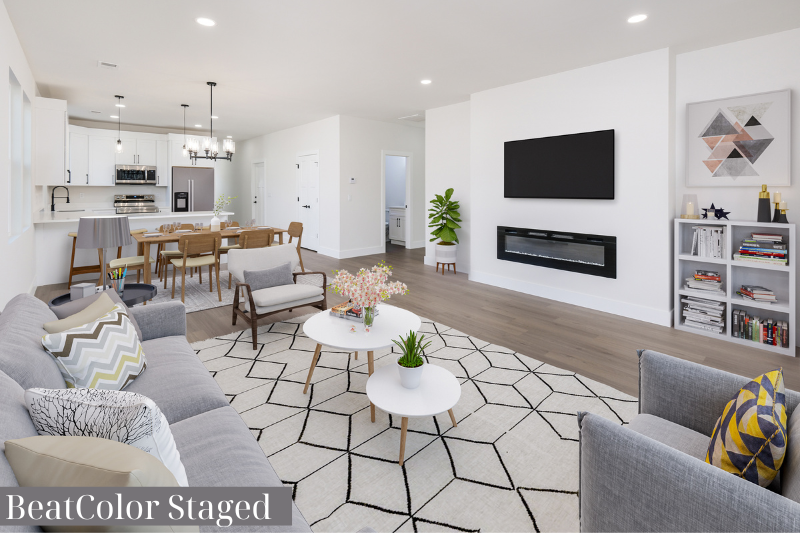
Virtual staging, on the other hand, is far more affordable. Since everything is done digitally, you typically pay per image. Because of this, it’s especially useful for agents managing multiple listings or sellers working with limited budgets.
2. Time, Speed, and Flexibility
Traditional staging takes time. Furniture delivery, setup, and removal all need to be scheduled. This can delay listing dates.
Virtual staging is much faster. In many cases, staged images are ready within 24–48 hours. Moreover, styles can be easily changed. If you want to target different buyer demographics, the design can be adjusted without any physical effort.
3. Online vs In-Person Impact
Traditional staging shines during open houses and private showings. Buyers can physically experience the space, which may help them emotionally connect.
However, virtual staging performs exceptionally well online. Since most buyers begin their search on platforms like Realtor.com or Zillow, eye-catching listing photos often determine whether a buyer clicks or scrolls past.
III. Pros and Cons of Each Staging Method
1. Advantages and Disadvantages of Traditional Staging
Advantages:
- Creates a strong emotional connection during showings
- Helps buyers understand scale and layout
- Ideal for luxury or high-value properties
Disadvantages:
- High upfront and ongoing costs
- Time-consuming setup process
- Limited flexibility once furniture is placed
2. Advantages and Disadvantages of Virtual Staging
Advantages:
- Cost-effective and scalable
- Fast turnaround time
- Easy to customize styles and layouts
- Perfect for vacant or under-construction properties
Disadvantages:
- Furniture is not physically present
- Requires disclosure to avoid misleading buyers
Because of these factors, many professionals now choose a hybrid approach, depending on the listing strategy.
IV. Choosing the Right Staging Solution for Your Property

1. When Virtual Staging Works Best
Virtual staging is ideal for vacant homes, condos, and new developments. Empty rooms often look smaller and less inviting, but digitally staged photos help buyers visualize the space more clearly.
It’s also perfect for remote or international buyers who rely entirely on online images. If budget and speed are priorities, virtual staging delivers a strong visual impact with minimal investment.
You can also combine it with image enhancement, learn more in our internal guide:
Real Estate Photo Editing Services for Faster Sales
2. When Traditional Staging Is the Better Option
Traditional staging works best for luxury homes and properties that host frequent open houses. Buyers in these segments often expect a fully furnished, high-end experience.
Additionally, lived-in homes can benefit from professional stagers who rearrange existing furniture to improve layout and flow, rather than replacing everything digitally.
Final Thoughts
The debate around Virtual Staging vs Traditional Staging isn’t about choosing a winner; it’s about choosing the right tool for the right situation.
Virtual staging offers speed, flexibility, and affordability, making it ideal for modern digital marketing. Traditional staging, meanwhile, still holds value for high-end properties and in-person experiences. Ultimately, the most effective staging strategy is one that aligns with your property type, target audience, and sales goals.
Read more:
AI Virtual Staging for Real Estate: Should You Choose AI or Human Virtual Staging?
3D Real Estate Photo Editing Services: Workflow and Quality Standards
Virtual Furniture Replacement: A Strategic Shift in Property Presentation