
Case Study: Virtual Staging Results for Vacant Listings

A vacant listing rarely sells itself. Empty rooms feel cold, buyers struggle to picture furniture placement, and agents often watch these properties sit on the market far longer than staged ones. That’s exactly the gap Virtual Staging fills. In this case study, we break down how one vacant listing improved its online performance and shortened its closing timeline after adding virtual staging to its marketing package. You’ll see the real numbers: more online views, more scheduled showings, and a shorter time on market.
If you manage listings that sit empty, this breakdown shows what virtual staging can realistically deliver and how to apply the same approach to your own properties.
Background of the Case Study
Virtual staging uses digital design software to place realistic furniture, decor, and lighting into photos of an empty room. Unlike physical staging, no furniture ever enters the house. Designers work entirely from photographs, which keeps costs low and turnaround fast.
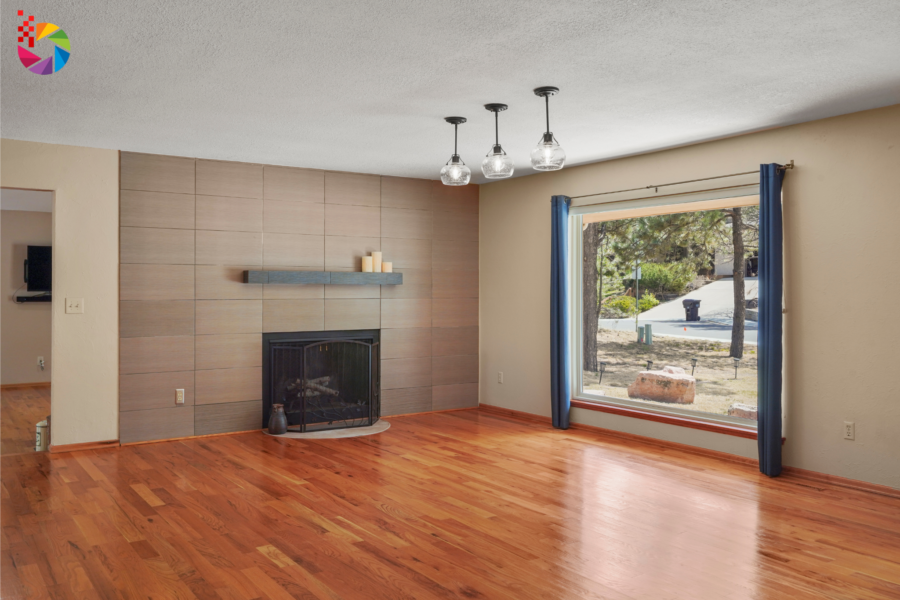
The property in this case study is a three-bedroom single-family home that had been vacant for over six weeks. The listing agent noticed a familiar pattern: plenty of clicks on the listing page, yet very few inquiries turned into scheduled tours. Photos of bare rooms simply didn’t spark interest. Buyers scrolled past without engaging.
The team set a clear goal before making any changes. They wanted to increase online engagement, generate more in-person showings, and reduce the property’s days on market. Virtual staging became the tool to test that goal.
How the Virtual Staging Process Worked
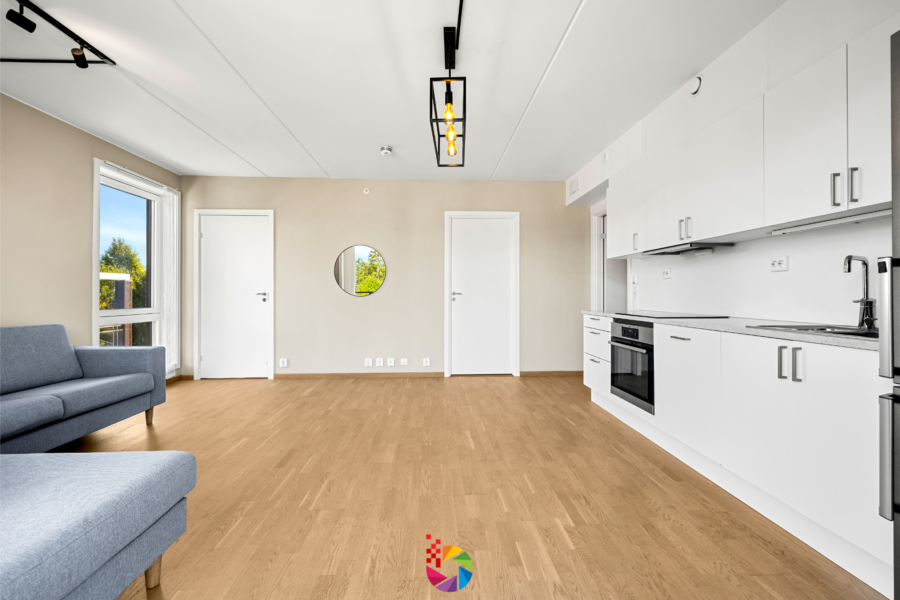
The process started with a walkthrough of the existing photography. The team selected the living room, primary bedroom, and dining area as priority spaces, since these rooms typically influence a buyer’s first impression the most.
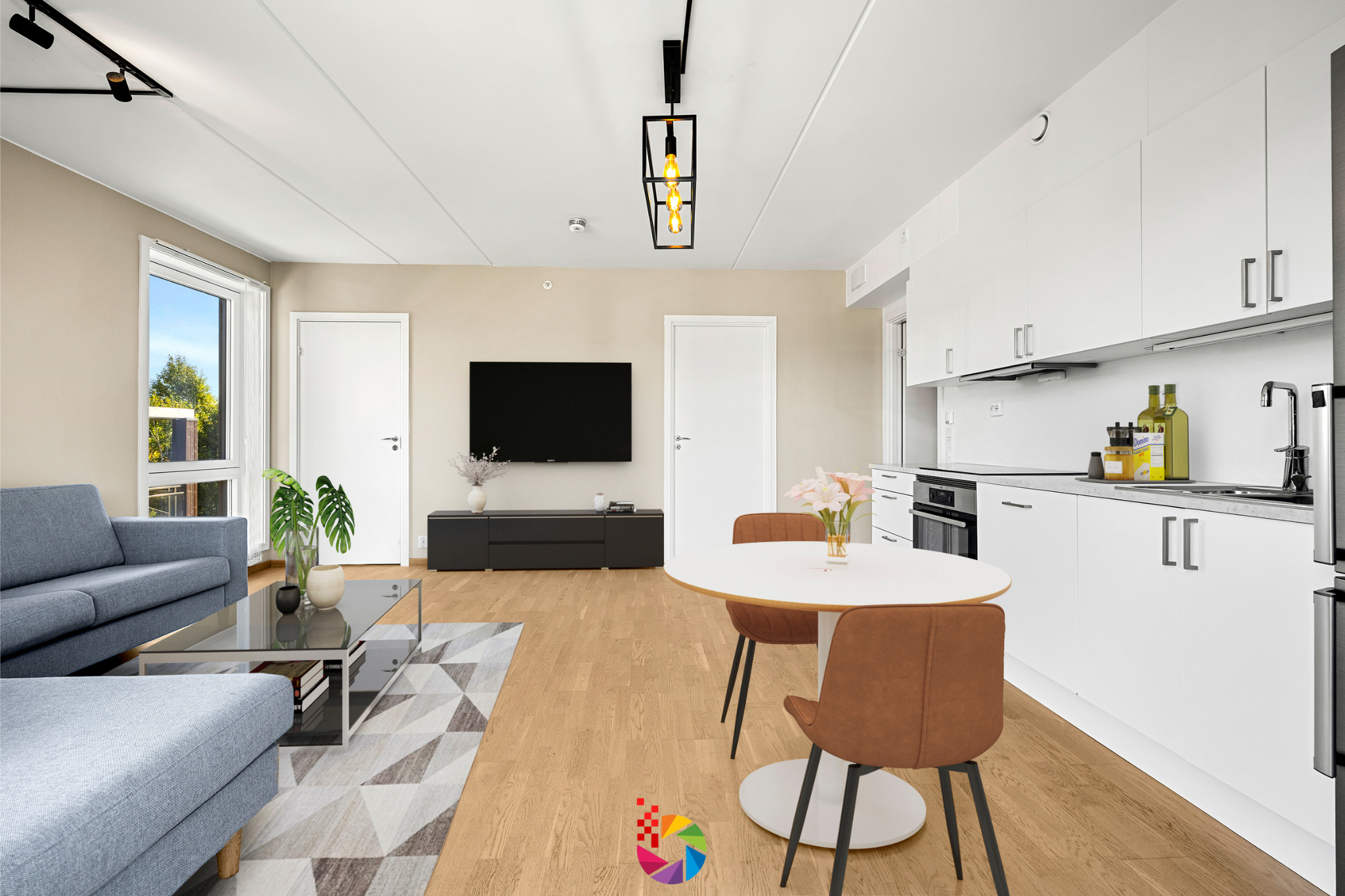
Next, the design team chose a furniture style that matched the target buyer profile. Because the neighborhood attracted young professionals and small families, they leaned toward a modern, neutral aesthetic rather than an ornate or highly personalized look. This choice made it easier for a wide range of buyers to picture themselves living there.
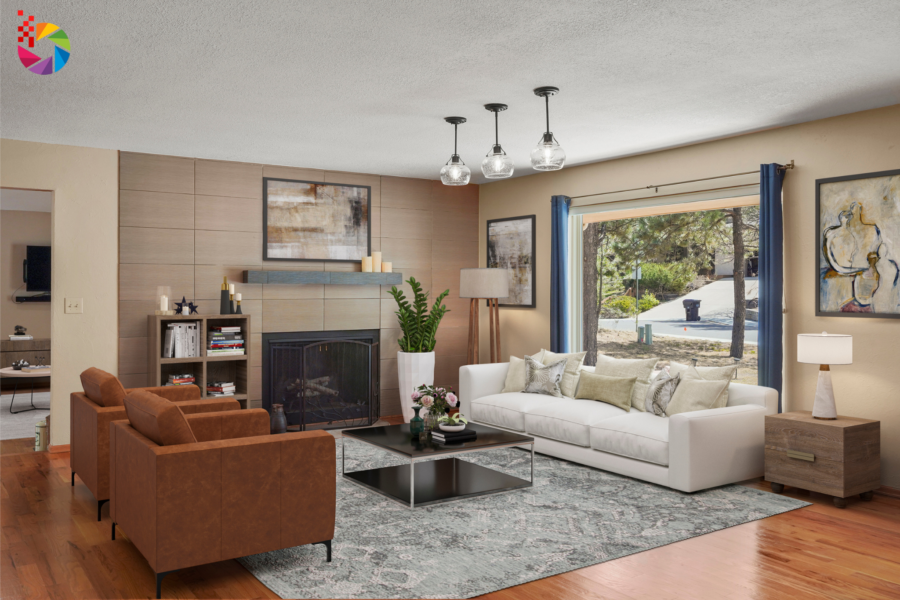
From there, the actual staging took shape. The designers uploaded the empty-room photos, then digitally added furniture, rugs, artwork, and lighting fixtures to each space. The entire process took three business days from submission to final delivery, and the total cost came in at a fraction of what physical staging would have required for the same three rooms.
The before-and-after comparison told its own story. Empty, echoing rooms became warm, livable spaces almost overnight without moving a single physical object into the house.
Measurable Results After Virtual Staging
Numbers matter more than impressions, so here’s what changed after the listing went live with staged photos.
Online views increased by 68% within the first two weeks compared to the unstaged listing period. Buyers spent more time on the page, and the bounce rate dropped noticeably.
Scheduled showings rose from two per week to seven per week. That’s more than triple the in-person interest, and it happened without any change to price or listing description.
Days on market dropped from 52 to 19. The property that once lingered unsold suddenly moved through the pipeline at a pace closer to the neighborhood average.
The final sale price landed within 2% of the original asking price, whereas comparable vacant listings in the same area typically sold 5-7% below asking. Buyers didn’t need to imagine a discount for an empty house; they saw a finished space and priced their offer accordingly.
Feedback from the listing agent reinforced the data. Buyers commented that the staged photos “finally made the space feel like a home,” and several mentioned the staging helped them decide to book a tour instead of skipping the listing entirely.
Why Virtual Staging Produced These Results
A few clear factors explain this shift, and understanding them helps you replicate the outcome on future listings.
First, staged photos solve a psychological problem. Empty rooms force buyers to do mental work measuring, imagining, and guessing whether their couch will fit. Furnished photos remove that friction and let buyers focus on the emotional decision instead of the logistical one.
Second, staged images perform better across every marketing channel. Listing platforms, social media posts, and email campaigns all rely on visuals to stop the scroll. A furnished room simply holds attention longer than a bare one, which explains the jump in online views before any showing even happened.
Third, the cost comparison favors virtual staging in almost every scenario involving a vacant property. Physical staging requires renting furniture, paying for delivery, and removing everything after the sale- expenses that climb quickly for multiple rooms. Virtual staging skips all of that. The table below summarizes the trade-offs.
| Factor | Virtual Staging | Physical Staging | No Staging |
|---|---|---|---|
| Cost | Low | High | None |
| Turnaround time | 1-3 days | 1-2 weeks | Immediate |
| Buyer engagement | High | High | Low |
| Best for | Vacant listings, quick launches | High-end homes with in-person tours | Rarely recommended |
For most vacant listings, virtual staging offers the fastest path to the same emotional impact as physical staging, at a fraction of the cost.
Lessons and Best Practices for Vacant Listings
A few practices separated the successful rooms in this case study from average results.
- Prioritize the rooms buyers care about most. Living rooms, primary bedrooms, and kitchens tend to influence decisions more than secondary spaces, so start there if the budget or timeline is limited.
- Match the furniture style to the buyer profile. A young professional audience responds differently than a family-focused buyer pool, so research the neighborhood before choosing a design direction.
- Disclose that the photos use virtual staging. Transparency protects trust with buyers and keeps the listing compliant with local real estate marketing guidelines. A simple caption or disclosure note on the listing page is usually enough.
- Pair staged photos with accurate room dimensions. Buyers still want real measurements alongside the furnished visuals, so include a floor plan or dimension list whenever possible.
These small adjustments make a measurable difference, especially when a listing needs to move quickly.
Conclusion
This case study shows what happens when a vacant listing gets a second chance through virtual staging. Online views climbed, showings tripled, and the home sold in less than half the original time all without moving a single piece of furniture into the house. For agents and sellers facing an empty property, these results make a strong case for adding virtual staging to the marketing plan before the first showing.
Ready to see similar results on your own vacant listing? Reach out to Beatcolor for a virtual staging consultation, or request a sample transformation to see the difference firsthand.