
Flambient vs HDR Photography: Which Produces Better Results?
Flambient vs HDR Photography remains one of the most debated topics in real estate photography. Many photographers ask the same question.
Which method creates better property images?
The answer is not always simple. Both techniques offer unique advantages. Moreover, both approaches have loyal supporters.
Some photographers prefer speed and efficiency. Others focus on maximum image quality and color accuracy.
As real estate marketing becomes more competitive, image quality matters more than ever. Therefore, understanding both methods is essential.
This guide explores the differences between flambient and HDR photography. Additionally, it explains which technique may work best for different situations.
Why Real Estate Photography Matters
Property photos often create a buyer’s first impression. Most buyers begin their search online. Therefore, images influence whether someone clicks a listing. Bright and professional photos attract attention quickly. Furthermore, high-quality visuals help properties stand out in crowded markets. Because of this, photographers constantly seek better techniques. Flambient and HDR have become two of the most popular solutions.

What Is HDR Photography?
HDR stands for High Dynamic Range. This technique combines multiple exposures into one image. Typically, photographers capture three to seven bracketed exposures. Each exposure records different lighting information. One image captures shadows. Another captures highlights. Others capture midtone details. Editing software then merges these exposures together.
As a result, photographers create balanced images with improved dynamic range. HDR has become widely used because it simplifies challenging lighting situations.
How HDR Photography Works
The HDR process begins during the photo shoot. Photographers place the camera on a tripod. Next, they capture several exposures of the same scene. Afterward, editing software combines those images automatically. Many programs now include advanced HDR tools. Consequently, the workflow is faster than ever before. Because software handles much of the process, HDR remains beginner-friendly.
Benefits of HDR Photography
HDR offers several important advantages.
Faster Shooting Process
Photographers can complete shoots efficiently. They only need bracketed exposures rather than multiple lighting setups. Therefore, HDR works well for high-volume projects.
Lower Equipment Requirements
HDR requires minimal lighting equipment. A camera and tripod are often sufficient. As a result, startup costs remain relatively low.
Consistent Workflow
Many editing programs automate HDR merging. Therefore, photographers can create repeatable workflows. This consistency helps meet client deadlines.
Drawbacks of HDR Photography
Despite its benefits, HDR has limitations.
Color Accuracy Challenges
HDR sometimes struggles with mixed lighting conditions. As a result, color casts may appear.
Artificial Appearance
Aggressive HDR settings can create unrealistic images. Some photos may look overly processed.
Window View Issues
Bright exterior views can remain difficult to preserve. Therefore, additional editing may still be necessary.
What Is Flambient Photography?
Flambient combines flash photography with ambient exposures. The term merges the words “flash” and “ambient.” This method uses controlled lighting to improve image quality.
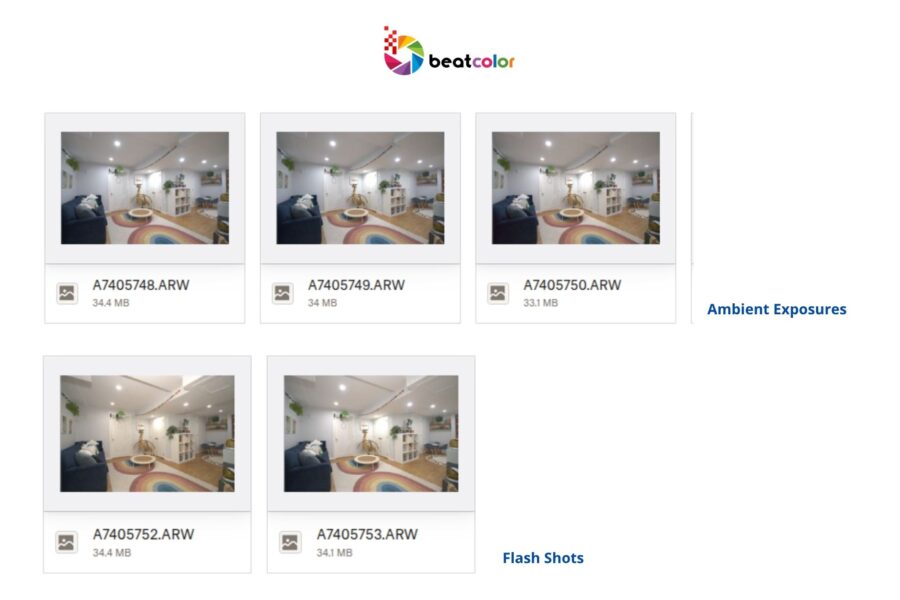
Typically, photographers capture several ambient images first. Then, they take flash exposures using external lighting. Later, they blend these images together during editing. The result often looks clean, natural, and balanced.
How Flambient Photography Works
Flambient involves a more detailed process. First, photographers capture ambient exposures. Next, they position a flash strategically within the room. Several flash images may be required.
Afterward, editors blend ambient and flash exposures together. This workflow demands more skill and precision. However, it offers greater control over lighting conditions.
Benefits of Flambient Photography
Many professionals prefer flambient for premium listings.
Superior Color Accuracy
Flash neutralizes unwanted color casts. Therefore, room colors appear cleaner and more realistic. This benefit becomes important in mixed lighting environments.
Better Window Pulls
Flambient handles bright windows effectively. As a result, exterior views remain visible and detailed.
Natural-Looking Results
When executed correctly, flambient images appear highly realistic. Therefore, many luxury real estate photographers prefer this method.
Greater Lighting Control
Photographers control light placement directly. Consequently, they can highlight important architectural features.
Drawbacks of Flambient Photography
Flambient also presents several challenges.
Longer Shooting Times
Setting up flash equipment takes additional time. Therefore, each property requires more effort.
Steeper Learning Curve
Flambient demands technical knowledge. Photographers must understand lighting principles and flash positioning.
Additional Equipment Costs
External flashes increase startup expenses. Moreover, accessories may be necessary for complex shoots.
Comparing Flambient and HDR Photography
The choice often depends on project requirements. Let’s compare key factors directly.
Image Quality
Flambient generally produces more refined images. Colors appear cleaner and lighting looks controlled. However, HDR quality continues improving through software advancements.
Speed
HDR typically wins in terms of efficiency. Photographers can complete shoots faster. Consequently, HDR suits large property volumes.
Learning Difficulty
HDR is easier for beginners. Most editing software automates much of the process. Meanwhile, flambient requires practice and technical understanding.
Equipment Needs
HDR requires fewer tools. A tripod and camera are often enough. Flambient demands additional lighting equipment. Therefore, startup costs increase.
Editing Complexity
Flambient editing often takes longer. Multiple exposures require careful blending. HDR workflows remain simpler and faster.
Which Method Do Realtors Prefer?
Many real estate agents prioritize quick turnaround times. Therefore, HDR often meets their needs effectively. However, luxury property agents may prefer flambient images. Premium listings benefit from enhanced color accuracy and detail. Ultimately, client expectations influence the preferred method.
Flambient vs HDR Photography: Which Method Is Better for Beginners?
Most beginners start with HDR photography. The workflow is straightforward and accessible. Additionally, HDR requires less equipment. Therefore, photographers can learn faster. As skills improve, many eventually explore flambient techniques. This progression helps build confidence gradually.
Can You Combine Both Methods?
Interestingly, some photographers combine HDR and flambient workflows. They use HDR as a foundation. Then, they add flash exposures selectively. This hybrid approach offers greater flexibility. Moreover, it combines strengths from both methods. However, it also increases editing complexity.
Industry Trends in 2026
Technology continues changing real estate photography. HDR software has become increasingly sophisticated. Artificial intelligence now improves image merging and color correction. Nevertheless, flambient remains popular among high-end photographers. Many professionals now choose methods based on project goals.
Consequently, both techniques continue evolving.
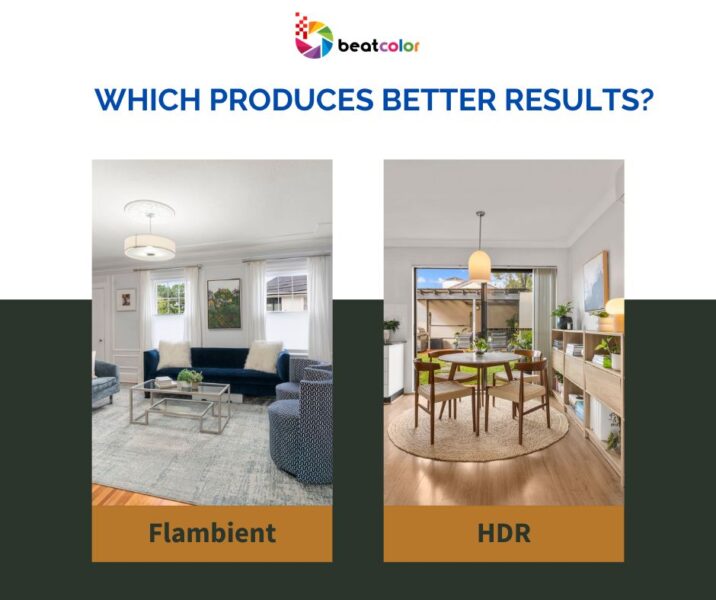
Flambient vs HDR Photography: Which Produces Better Results?
There is no universal winner.
The best method depends on priorities. If speed and efficiency matter most, HDR often performs better.
If maximum image quality matters most, flambient usually takes the lead.
Many successful photographers use both techniques. They select the best approach for each property. This flexibility often delivers the strongest results.
Final Thoughts
Flambient vs HDR Photography is not a battle with one clear champion. Instead, both methods serve different purposes.
HDR offers speed, simplicity, and affordability. Meanwhile, flambient provides greater control, cleaner colors, and premium-quality results.
For beginners, HDR represents an excellent starting point. However, learning flambient can unlock additional creative possibilities.
Ultimately, the best photographers understand both techniques. They adapt their workflow based on property needs, client expectations, and project goals.
In today’s competitive market, that versatility often becomes the real advantage.
Read more:
HDR Real Estate Photo Editing: Complete Beginner’s Guide
Why More Photographers Outsource Real Estate Photo Editing in 2026
Professional Real Estate Photo Editing Services for Realtors and Photographers