
Real Estate Retouching Case Study: Add Items

Real Estate Retouching covers a wide range of edits, but one of its most underrated forms is add-item work — inserting elements like pool water, fireplace flames, and green grass into an otherwise finished photo. This case study looks at how targeted retouching decisions turned ordinary listing photos into images that sell a lifestyle, not just a property. We’ll walk through real scenarios, the retouching process behind each one, and the measurable impact these small additions had.
What This Type of Real Estate Retouching Covers
Add-item retouching refers to inserting specific visual elements into an existing photo that weren’t present, or weren’t visible, at the time of the shoot. Common examples include:
- Adding water and reflections to an empty pool
- Lighting a fireplace that was cold during the shoot
- Turning dead or patchy grass into a lush green lawn
- Adding a moon or stars to a dusk exterior shot
- Placing outdoor furniture, planters, or string lights on a patio
- Illuminating interior or exterior lights that were off during the shoot
Unlike full virtual staging, which furnishes an entire room, this form of real estate retouching focuses on smaller, targeted enhancements that fix or improve a single element within an otherwise finished photo.
Case Study 1: Adding a Pool to an Empty Backyard
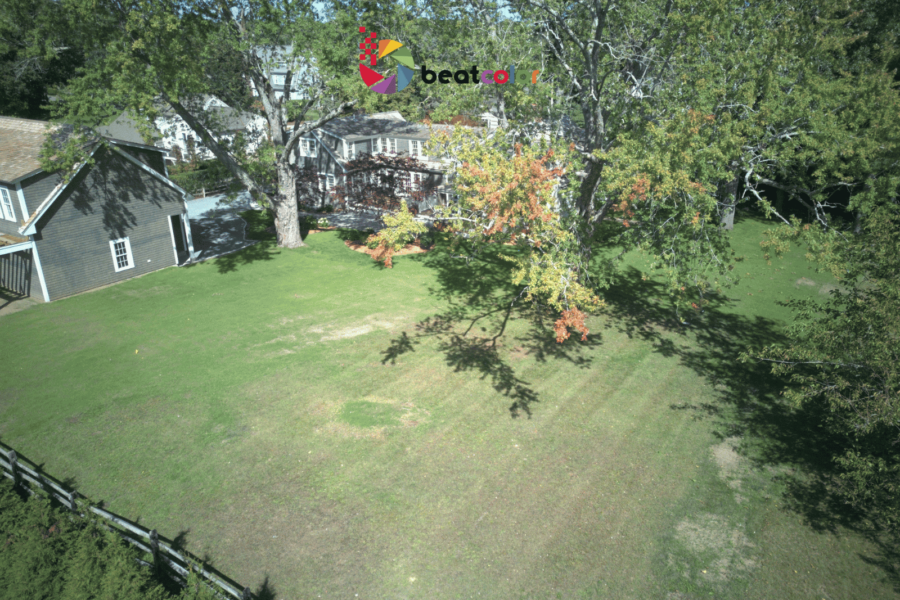
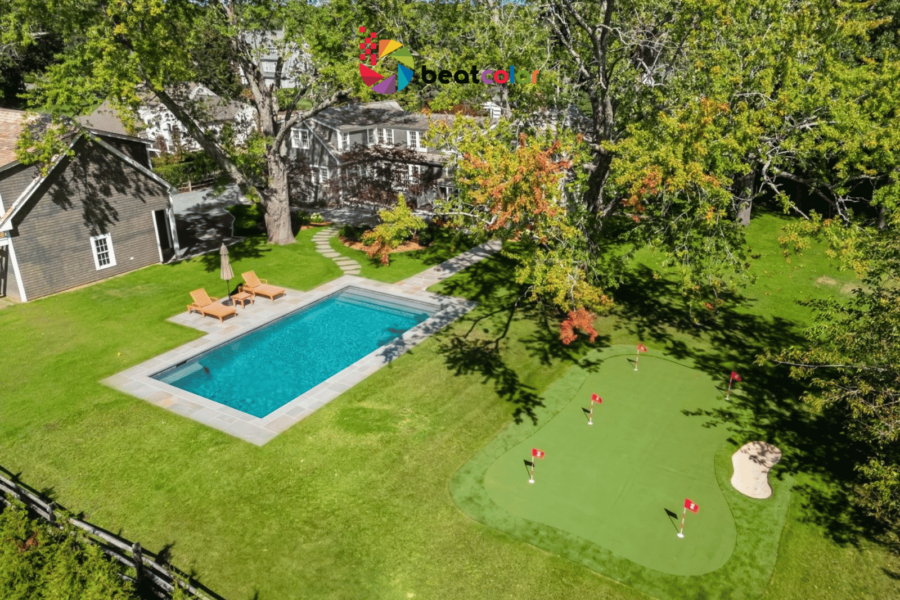
One property in this case study had a spacious, sunny backyard, but no pool at all — just an open stretch of lawn. Vacant backyards like this often struggle to stand out, since buyers have a hard time picturing the outdoor potential of a plain grass lot, especially compared to nearby listings that already show a finished pool area.
Through careful retouching, the team digitally added a realistic in-ground pool directly onto the lawn, complete with matching decking, water reflections, and shadows that lined up with the existing sunlight direction in the photo. The edit took a little longer than a typical add-item request, since the pool shape, decking material, and surrounding landscaping all had to look proportional to the yard’s actual size. When the listing went live, the backyard photo became one of the most-viewed images in the gallery, according to the agent’s listing analytics.
Result: The backyard photo shifted from a plain, forgettable lawn shot to one of the strongest selling points in the listing, giving buyers a clear vision of the property’s outdoor potential without the seller needing to install an actual pool before the shoot.
Case Study 2: Lighting a Cold Fireplace
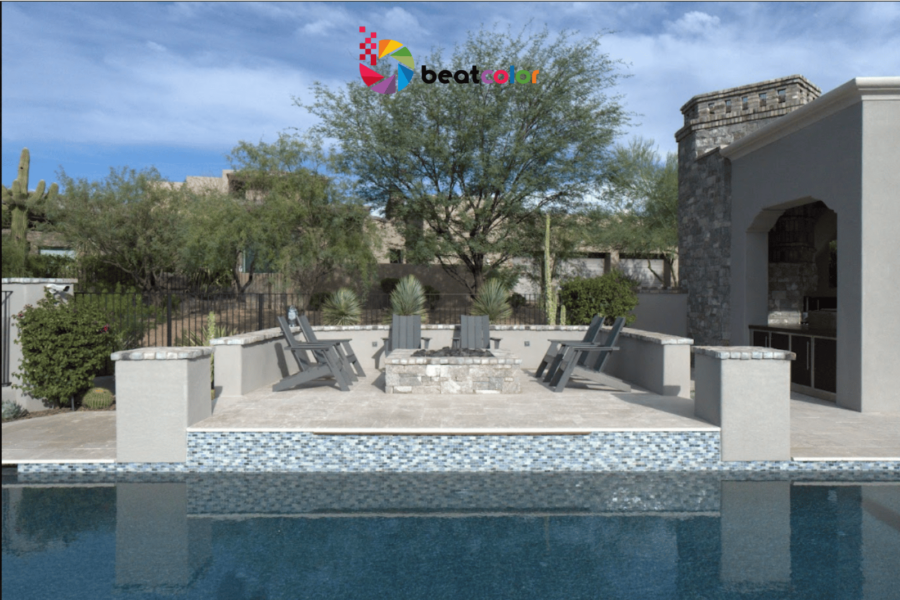
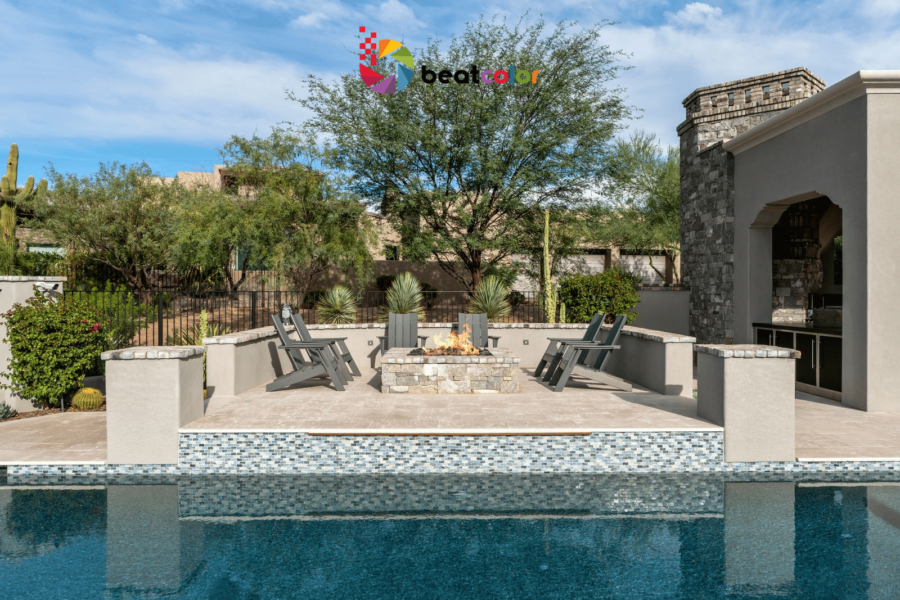
A second listing featured a large stone fireplace as a key architectural feature. However, the photos were taken during a warm afternoon, so lighting an actual fire wasn’t practical or safe. Without flames, the fireplace looked like a plain stone box rather than a cozy focal point.
Real estate retouching added realistic fire and a soft warm glow to the hearth, along with subtle light spill onto nearby furniture and walls. This single addition transformed the living room from a neutral space into one that felt warm and inviting.
Result: Agent feedback noted that buyers specifically commented on the “cozy” feeling of the living room during showings, even though the fireplace wasn’t lit in person for every visit.
Case Study 3: Turning Brown Grass Green
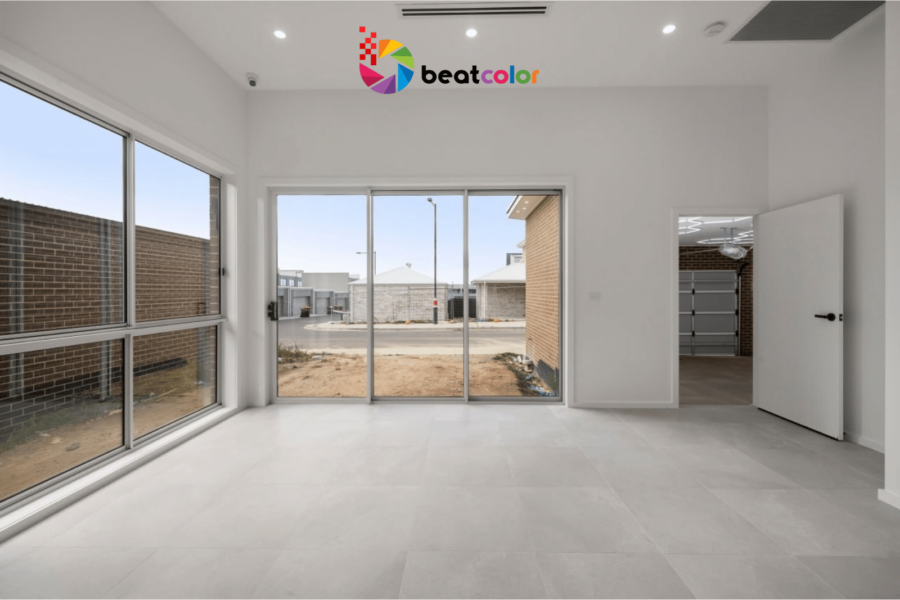
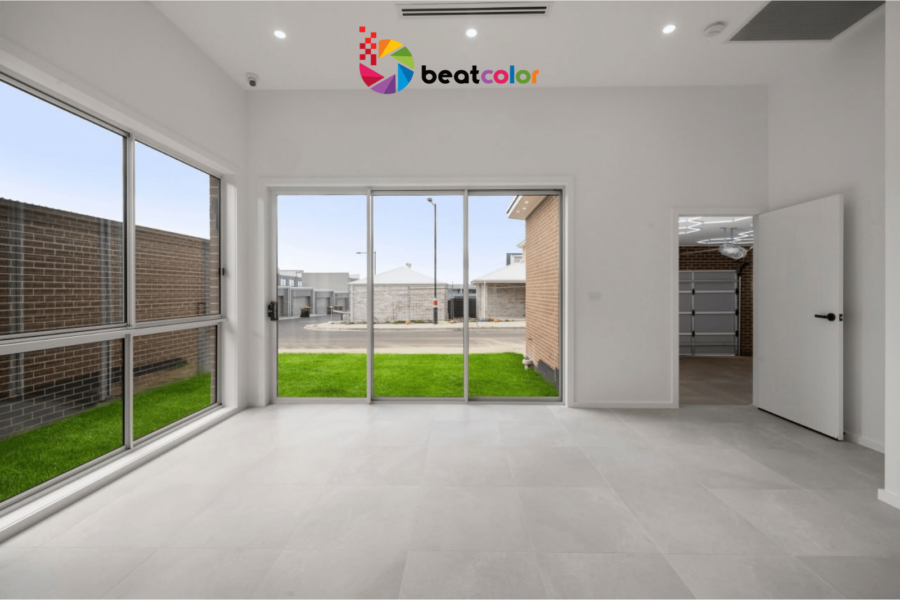
A home listed during a dry summer stretch had noticeably patchy, brown grass in the front and back yards. Curb appeal suffers significantly when the lawn looks neglected, even if the rest of the landscaping is well maintained.
Rather than waiting for the grass to recover naturally, the team applied retouching to enhance the lawn’s color and fill in patchy areas, while keeping the edit realistic enough to match the surrounding trees and shrubs. Over-saturating grass color is a common mistake in this type of work, so the team kept the tone close to a natural, healthy green rather than an artificial, neon shade.
Result: The exterior “hero” photo performed noticeably better in online engagement compared to a nearly identical listing nearby that used unedited, patchy-lawn photos.
Why This Form of Real Estate Retouching Works So Well
Across all four cases, a consistent pattern emerges. Small, targeted additions solve specific problems — an empty pool, a cold fireplace, patchy grass, a flat sky — without requiring an entirely new photo shoot or physical changes to the property. This makes add-item retouching one of the most cost-effective tools available to real estate photographers.
It also plays into buyer psychology. A pool with water, a lit fireplace, and green grass all suggest a well-maintained, move-in-ready property, even when the underlying condition of the home hasn’t changed. Buyers respond emotionally to these small visual cues, often more than they realize.
Best Practices for This Type of Editing
Based on these case studies, a few practices consistently produce better results:
- Match lighting direction and color temperature so added elements blend naturally with the rest of the scene
- Avoid over-saturating colors, especially with grass and sky edits, since unnatural tones undermine credibility
- Keep additions proportional and realistic, rather than exaggerating flames, water clarity, or star density
- Disclose significant edits when required, particularly for pool water or major seasonal changes, to stay compliant with MLS guidelines
How This Fits Into a Broader Retouching Workflow
Add-item work rarely happens in isolation. Most listings that need a pool filled or a fireplace lit also go through standard corrections — exposure balancing, HDR blending, and clutter removal — as part of the same retouching pass. Treating add-item edits as one component of a complete workflow, rather than a standalone service, tends to produce more cohesive, professional-looking results across an entire photo set.
Conclusion
This case study shows that real estate retouching delivers outsized results relative to its cost and turnaround time, especially when it comes to small, targeted additions. Whether it’s filling a pool, lighting a fireplace, greening a lawn, or adding a moon to a twilight sky, these enhancements consistently improve buyer engagement without the expense of a full reshoot or physical property changes. For photographers and agents looking for a high-impact, low-cost editing service, this style of retouching deserves a permanent spot in the standard listing photo workflow.
Read more:
Why AI-Edited Real Estate Photos Sometimes Look Fake
Real Estate Photo Editing Packages: Which One Fits?
Retouching Advance vs. Extreme: Which Plan Fits Your Listing?