

Video Editing with AI: The Ultimate Guide to Modern Filmmaking
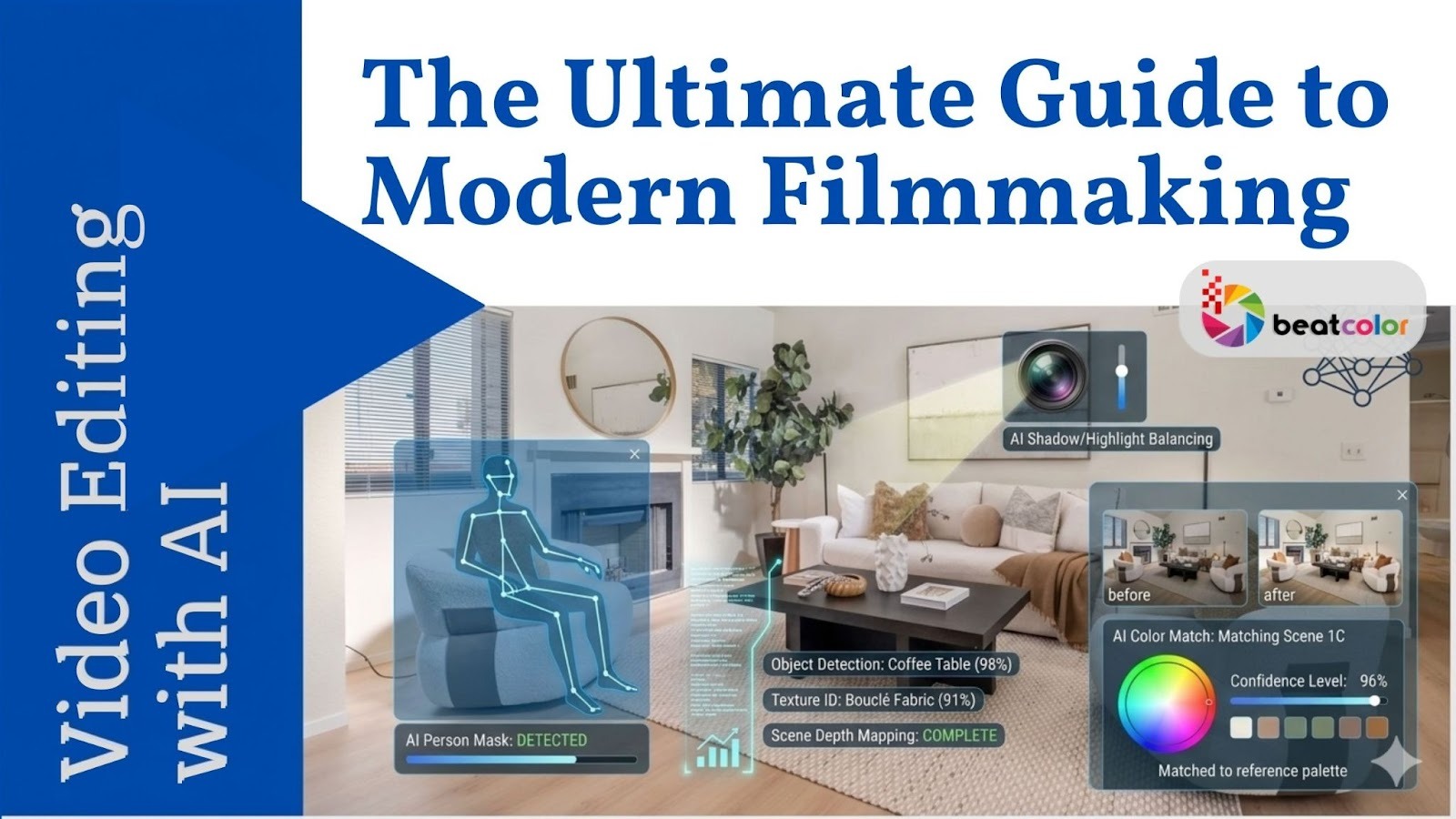
Video editing with AI is now an essential toolkit for creators worldwide who want to stay competitive in a fast-paced digital landscape. Previously, editors spent hours on tedious tasks like color grading or masking, which often drained their creative energy and delayed project delivery. However, machine learning has introduced a new era where software can “understand” content deeply, allowing humans to focus on storytelling rather than the technical grind.
In this blog, we’ll share how automated filmmaking tools reshape the industry and provide a breakdown of the best smart post-production workflows. We will also explore actionable tips for your daily routine while examining the balance between human intuition and algorithmic precision. This guide will help you produce professional content faster than ever by leveraging the latest innovations in the field.
I. Why Video Editing with AI is Changing the Industry
Video editing with AI is not just a trend; it is a fundamental shift in how digital media is produced. As the demand for high-quality video content explodes across social platforms, traditional manual methods are becoming increasingly unsustainable for solo creators and large studios alike.
1. Speed and Efficiency in Automated Filmmaking
Automated filmmaking allows for the rapid processing of raw footage without constant human supervision. For instance, AI can now automatically remove silence from a vlog or generate subtitles in seconds, which are tasks that used to take hours of manual labor. Because time is a finite resource, these efficiencies are invaluable for maintaining a consistent posting schedule.
2. Smart Post-Production Accessibility for Beginners
Smart post-production tools have lowered the barrier to entry significantly for aspiring videographers. Even if you lack deep technical knowledge of complex software like DaVinci Resolve or Premiere Pro, AI-driven plugins can help you achieve cinematic looks with a single click. Therefore, the gap between amateur and professional output is narrowing every day.
II. Essential Features of AI-Powered Tools in Video Editing
Video editing with AI offers a suite of features that go far beyond simple filters or basic templates. These tools utilize neural networks to analyze pixels and audio waveforms to make intelligent adjustments in real-time, effectively acting as a digital co-editor.
1. Intelligent Object Removal via Automated Filmmaking
Automated filmmaking software can now identify and remove unwanted background objects seamlessly from any shot. By analyzing the surrounding frames, the AI fills in the gap using content-aware technology, ensuring the background remains consistent. This is a total game-changer for those shooting in uncontrolled environments or public spaces.
2. Automated Color Matching in Smart Post-Production
Smart post-production assistants can match the color profile of two different cameras instantly to create a uniform look. If you are using a DSLR and a smartphone for the same project, the AI ensures the visual tone remains cohesive. Consequently, your final product looks polished and professional without manual grading.
3. AI-Driven Audio Enhancement for Video Editing with AI
Noise reduction used to be a delicate dance between clearing static and losing vocal clarity. Modern video editing with AI isolates human voices and suppresses ambient noise with incredible surgical precision. But, more importantly, it can also generate background music that fits the “mood” of your edit automatically.
III. Top Software for Automated Filmmaking
Automated filmmaking is currently dominated by a mix of established industry giants and innovative startups. Choosing the right platform depends on your specific needs, whether you are creating 15-second TikToks or full-length documentaries for a global audience.
1. Adobe Premiere Pro (Sensei AI)
Adobe has integrated its “Sensei” AI to handle “Auto Reframe,” which intelligently crops videos for different aspect ratios. It is particularly useful for creators who need to export the same video for YouTube, Instagram, and TikTok simultaneously without manual adjustments.
2. Descript for Smart Post-Production Workflows
Descript offers a unique approach to smart post-production by allowing you to edit video by simply editing text. If you delete a word from the generated transcript, the software automatically cuts that section from the video. Indeed, it feels like magic for podcast and interview editors who deal with heavy dialogue.
3. Runway Gen-2 and Generative Automated Filmmaking
Runway is at the forefront of generative video editing with AI. It allows users to generate b-roll or change styles entirely using text prompts. While it is more experimental, it provides a glimpse into a future where we don’t just edit footage—we create it from scratch using algorithms.
IV. Best Practices for Smart Post-Production in Editing with AI
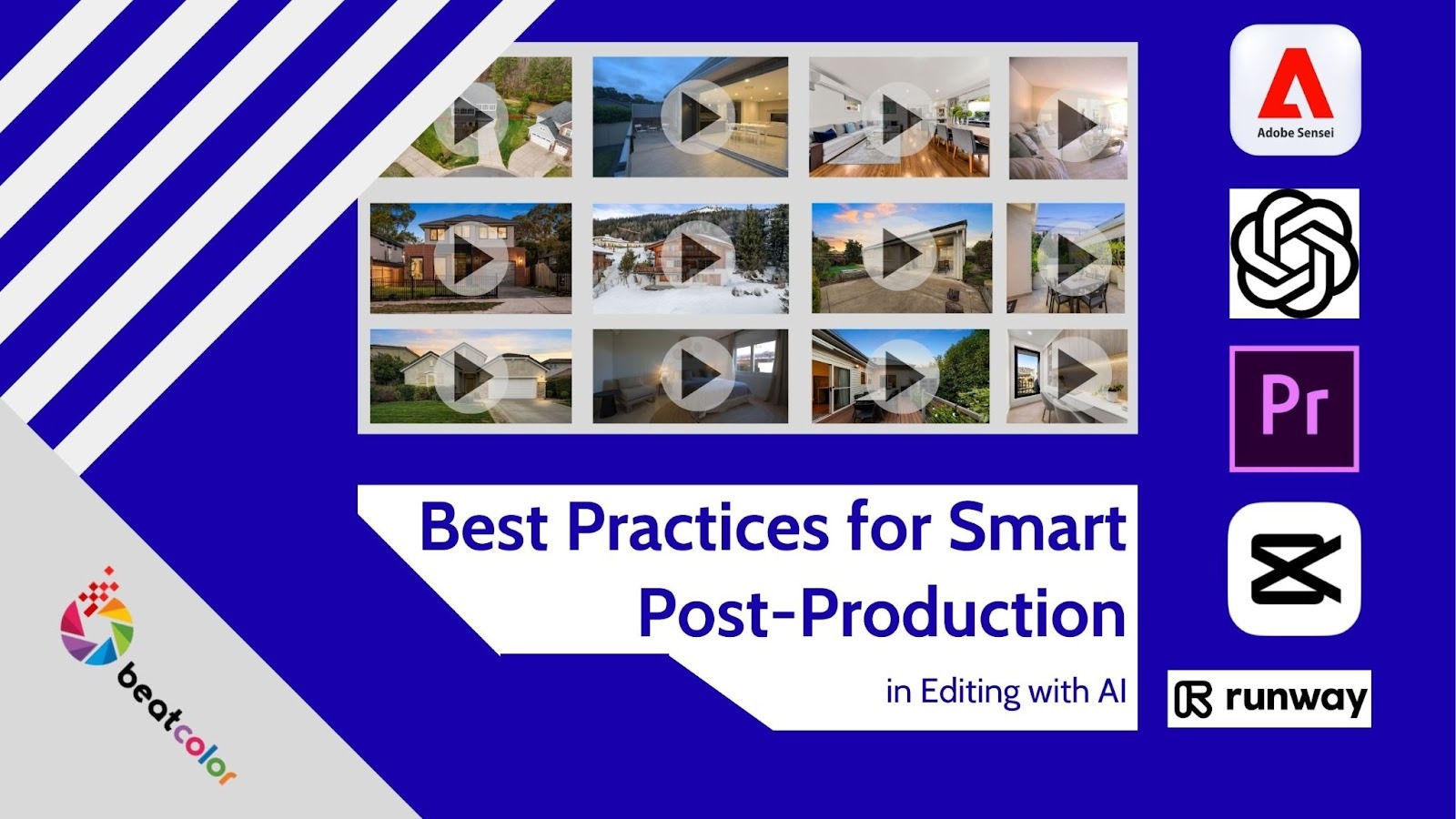
Smart post-production requires a strategic mindset to ensure the “robotic” side of the tools doesn’t overshadow your creative vision. It is important to treat AI as a highly skilled assistant rather than a total replacement for your artistic judgment.
1. Organizing Assets for Video Editing with AI
Before you start using video editing with AI, ensure your files are named correctly and organized into folders. Many AI tools use file metadata to categorize clips by face recognition or location. Thus, a little organization at the start saves massive amounts of time during the automated sorting phase.
2. Reviewing Automated Filmmaking Cuts by AI Tools
Even the best automated filmmaking tool can make mistakes in pacing or emotional delivery. AI might understand where a sentence ends, but it doesn’t always understand the emotional weight of a dramatic pause. You should always review every cut to ensure the rhythm feels natural to a human audience.
3. Combining Multiple AI Post-Production Tools for Video Editing
Don’t feel limited to a single software ecosystem for your entire project. You might use one AI tool for audio cleanup and another for color grading. Because most modern software supports XML or EDL exports, moving between video editing with AI platforms is easier than ever before.
Final Thoughts
Video editing with AI is undoubtedly the future of the creative economy, and by embracing automated filmmaking and smart post-production techniques, you can effectively eliminate the tedious “grunt work” of the manual editing process. However, even as algorithms become more sophisticated, the most successful creators will be those who use these tools to amplify their unique human perspective rather than letting the machine take full control.
If you are looking for high-quality assets to use in your next project, you can check out Beatcolor for professional inspiration or visit the Wired Guide to AI for further reading on the ethics of AI in modern media. Ultimately, the synergy between human intuition and machine efficiency is what will define the next generation of storytelling, so start experimenting with these tools today to stay ahead of the curve.
Read more :
5 Best Photo Editing Software in 2026 for Creators and Professionals
Best Real Estate Video Editing Tools: Elevate Your Property Listings
Real Estate Video Editing Services: The Competitive Advantage Agents Cannot Ignore