
The Dark Side of Virtual Staging In Real Estate Nobody Talks About
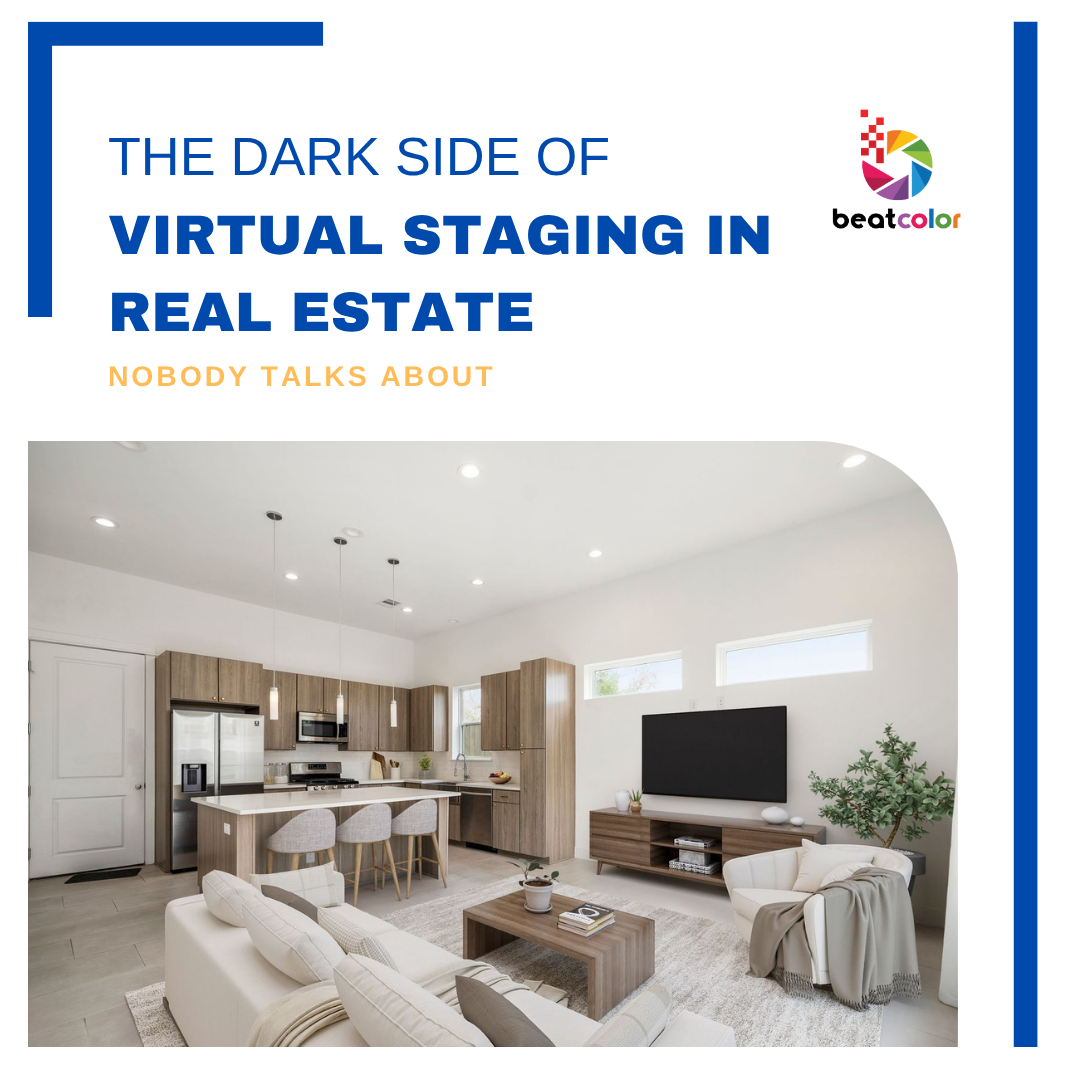
Virtual staging in real estate feels like a breakthrough. Empty rooms suddenly look warm, stylish, and inviting. As a result, listings gain attention almost instantly.
However, not every advantage comes without cost. Behind those polished images, subtle problems are growing. These problems often stay hidden until it is too late.
Today, digital presentation defines first impressions. Buyers scroll quickly and judge even faster. Therefore, virtual staging becomes a powerful marketing shortcut.
Yet, shortcuts can create long-term consequences.
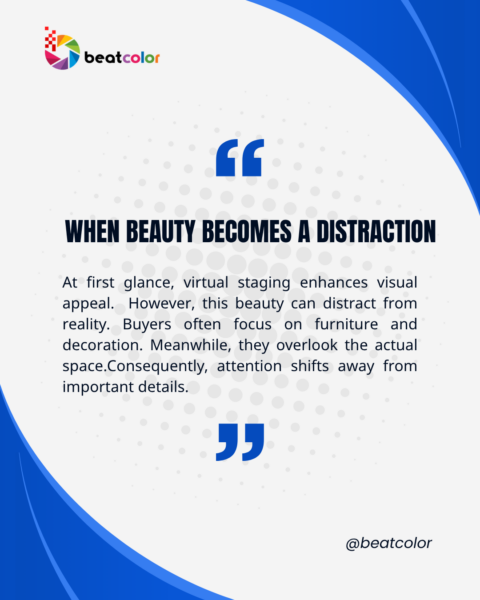
When Beauty Becomes a Distraction
At first glance, virtual staging enhances visual appeal. Rooms look brighter, larger, and more functional. However, this beauty can distract from reality.
Buyers often focus on furniture and decoration. Meanwhile, they overlook the actual space.
Consequently, attention shifts away from important details. Layout issues, flaws, or limitations become less visible.
This creates a misleading first impression. Although unintentional, it changes how buyers evaluate properties.
The Growing Gap Between Expectation and Reality
Expectation plays a crucial role in real estate decisions. Virtual staging directly shapes those expectations.
For example, a small room can appear spacious online. Careful angles and digital furniture enhance perception.
However, in-person visits tell a different story. Buyers quickly notice size differences and missing elements.
As a result, disappointment happens more frequently. Some buyers even lose interest immediately.
Therefore, the gap between image and reality becomes risky.
Subtle Edits That Cross Ethical Lines
Not all virtual staging follows the same standards. Some edits go beyond simple decoration.
For instance, imperfections may be removed digitally. Walls may look smoother than they actually are.
In some cases, lighting is exaggerated significantly. Natural light appears stronger than possible in reality.
Although these changes seem minor, they matter. They influence how buyers judge the property’s quality.
Over time, repeated exaggeration creates ethical concerns. Buyers begin to question what is real and what is not.
A Market Full of Similar-Looking Homes
Another issue is the loss of uniqueness. Many virtual staging services use similar design templates.
As a result, listings start to look alike. Different homes share the same style and furniture.
This reduces emotional impact on buyers. Properties no longer feel personal or distinctive.
Instead, they feel manufactured and predictable.
Moreover, repeated visuals weaken brand identity for agents. Listings fail to stand out in competitive markets.
The Psychology Behind Misleading Appeal
Virtual staging does more than decorate spaces. It influences how people imagine living in a home.
Buyers picture routines, comfort, and lifestyle. They connect emotionally with the staged environment.
However, this connection may not reflect reality. The actual property may not support that vision.
Consequently, buyers feel conflicted later. Their emotional attachment fades during physical visits.
This emotional mismatch affects decision-making. Deals may slow down or collapse unexpectedly.
Pricing Pressure Created by Visual Perfection
Perception strongly affects pricing in real estate. Virtual staging often increases perceived value.
Well-staged homes appear more premium and desirable. Therefore, sellers may raise their expectations.
However, buyers evaluate more than visuals. They consider structure, condition, and location.
When expectations rise too high, negotiations become difficult. Buyers may hesitate or offer lower prices.
In some cases, listings stay longer on the market. This contradicts the original goal of faster sales.

The Risk of Overdependence on Digital Tools
Technology makes virtual staging faster than ever. AI tools can generate designs within seconds.
However, this convenience creates dependency.Agents may rely on editing instead of preparation. They focus on images rather than real improvements.
For example, clutter may remain in the actual property. Repairs may be delayed or ignored completely.
Eventually, buyers notice these gaps during visits. This weakens confidence in the listing.
Therefore, digital solutions should not replace real effort.
Trust Is Becoming More Fragile
Trust is essential in real estate transactions. However, digital manipulation challenges that trust.
Buyers today are more informed and cautious. They recognize signs of heavy editing quickly. As a result, skepticism is increasing. Even honest listings face doubt. This creates a wider issue across the market. Credibility becomes harder to maintain.
Agents must work harder to prove authenticity.
Cheap Solutions Can Lead to Expensive Problems
Virtual staging is often marketed as affordable. Low-cost services attract many agents.
However, quality varies significantly.
Poor staging can damage a listing’s image. Unrealistic proportions or bad lighting stand out immediately.
Instead of attracting buyers, these images create doubt. They reduce engagement rather than increase it.
Fixing low-quality work requires additional time and cost. Therefore, cheap solutions may become expensive mistakes.
Finding the Right Balance
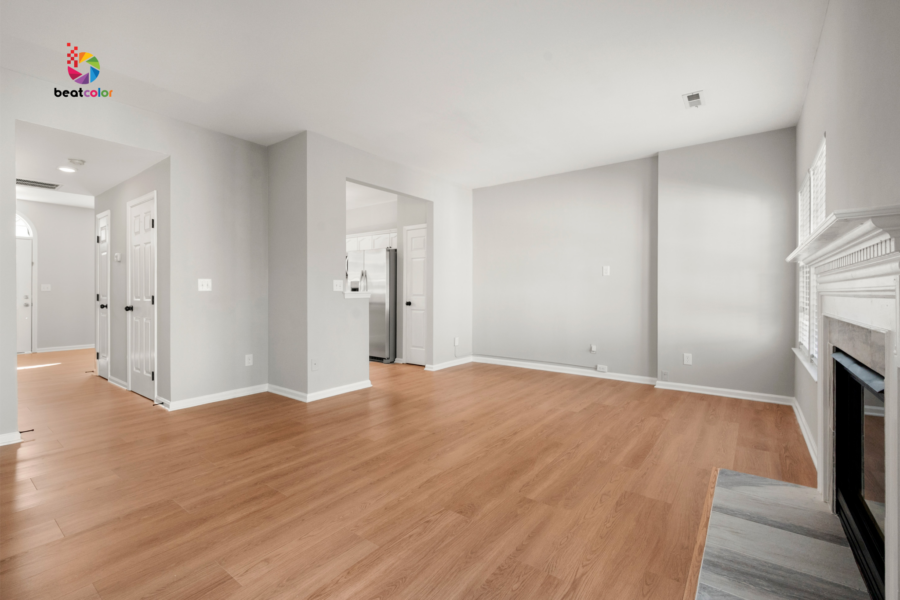
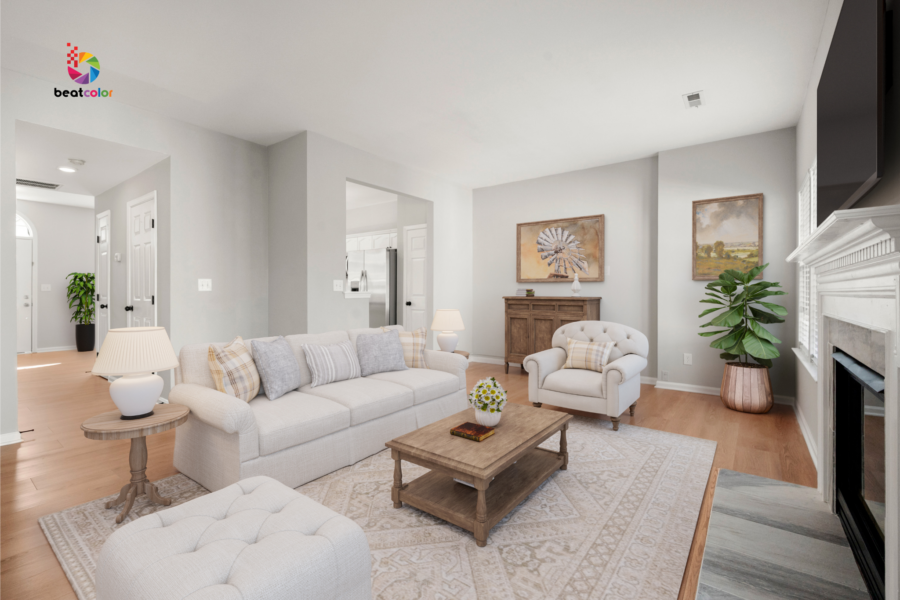
Despite these challenges, virtual staging in real estate remains valuable. It helps buyers understand empty spaces better.
However, balance is the key to success.
First, visuals should reflect real conditions accurately. Second, edits should enhance, not transform reality. Third, transparency should always be maintained.
Additionally, physical preparation still matters. Clean spaces and minor repairs improve real impressions.
When combined, these efforts create stronger results.
Final Thoughts
Virtual staging in real estate is not the problem. The way it is used defines its impact.
Used correctly, it enhances marketing and speeds up sales. Used poorly, it damages trust and creates confusion.
Today, buyers expect both beauty and honesty. They want images that match real experiences.
Therefore, the future of virtual staging is clear. It must support reality, not replace it.
In a competitive market, authenticity stands out. And ultimately, trust remains the strongest selling point.
Read more:
AI Real Estate Photo Editing: The Future of Property Marketing
Outsourcing Real Estate Photo Editing Strategy for Agents
Portrait Retouching: Complete Guide to Natural and Professional Results