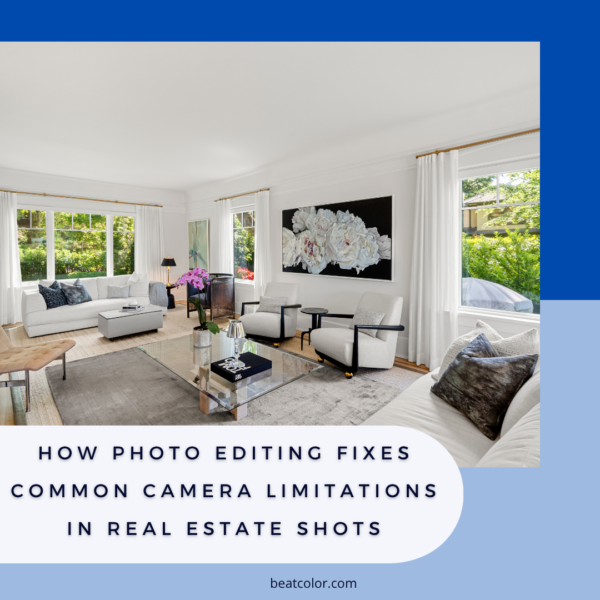

Virtual Home Staging: The Ultimate Strategy for Real Estate Success

Virtual home staging has fundamentally changed how agents present properties to potential buyers in the digital age. In a market where first impressions happen on a smartphone screen, having a vacant, cold room can lead to missed opportunities and lower engagement. Consequently, many professionals are turning to technology to fill these empty spaces with warmth and style. Because buyers often struggle to visualize the potential of an empty room, this technology bridges the gap effectively.
In this blog, we’ll share the essential benefits of digital furniture staging, how to choose the right 3D home rendering tools, and why real estate image enhancement is a must-have for your marketing toolkit. Furthermore, we will explain the specific steps you can take to maximize your return on investment using these modern techniques. We will also discuss the importance of professional quality in your final marketing materials.
I. The Core Concepts of Virtual Home Staging
Virtual home staging is the process of using graphic design software to add furniture and decor to photos of vacant properties. This method allows buyers to visualize the potential of a space without the massive overhead of physical furniture rentals. Moreover, it provides a “model home” feel at a fraction of the traditional cost.
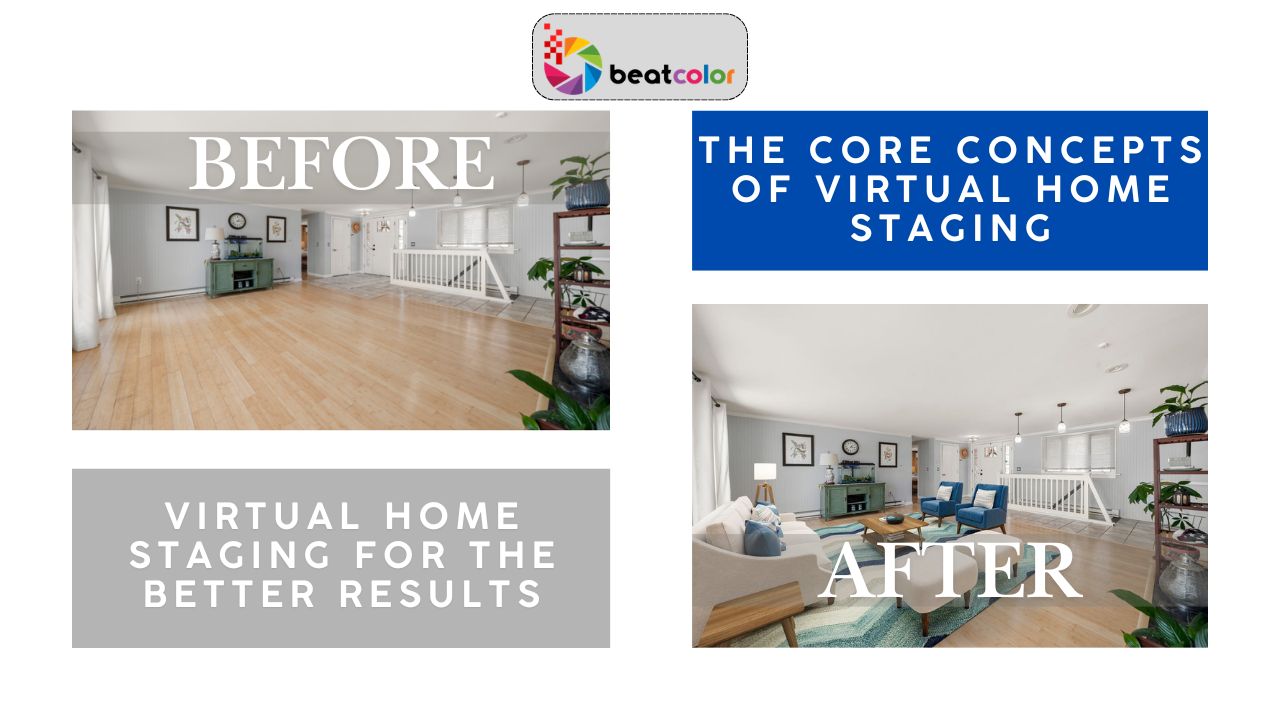
1. Defining Digital Furniture Staging
Digital furniture staging involves placing high-quality 3D models of couches, beds, and tables into a high-resolution photograph of a vacant space. Because the items are digital, you can choose from various interior design styles, such as modern, industrial, or farmhouse. This flexibility effectively ensures the home appeals to a specific target demographic while keeping the visuals fresh and engaging.
2. The Role of Real Estate Image Enhancement
Real estate image enhancement is the essential foundation upon which all great staging is built to ensure a professional look. Before adding furniture, editors must correct the lighting, sharpen details, and fix the sky in the windows. Therefore, a clean and bright base image is necessary for the 3D elements to look realistic. Additionally, removing clutter from original photos ensures a much cleaner final result for the listing.
II. Strategic Advantages of 3D Home Rendering
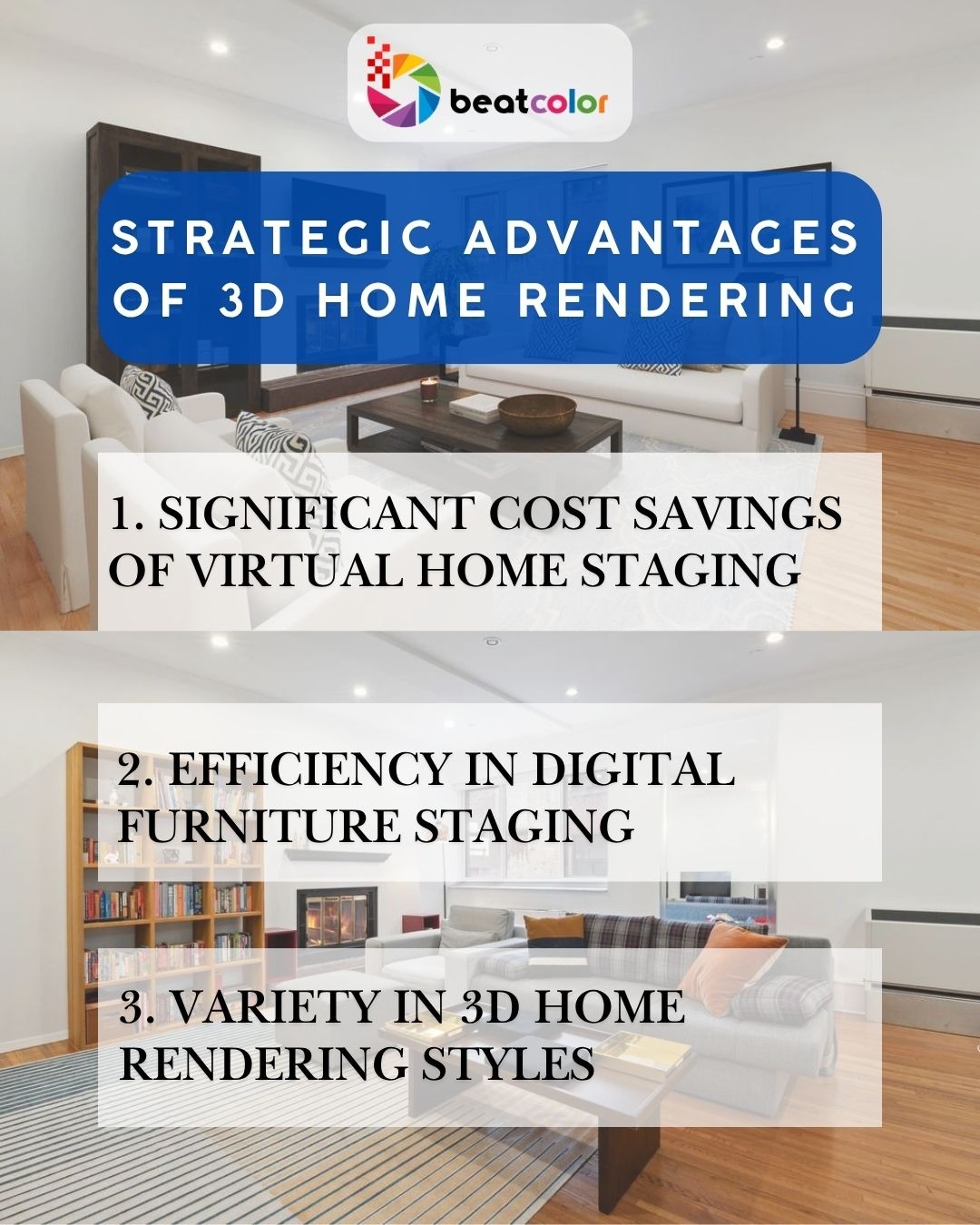
Virtual home staging offers more than just a pretty picture; it provides a competitive edge in a crowded market. When a listing features high-quality visuals, it naturally attracts more clicks on platforms like Zillow or NAR. Because buyers are more likely to visit a home that looks “move-in ready” online, the physical showings increase significantly.
1. Significant Cost Savings of Virtual Home Staging
Virtual home staging saves a substantial amount of money compared to traditional methods that cost thousands in furniture rentals. You only pay for the digital editing once, and the furniture stays in your listing photos forever. Consequently, this budget-friendly approach makes professional staging accessible for every property.
2. Efficiency in Digital Furniture Staging
Digital furniture staging can be completed within 24 to 48 hours, whereas physical staging takes days to coordinate. This rapid turnaround allows you to get your listing live on the market much faster than your competitors. Therefore, you can respond to urgent market shifts almost instantly and keep your sales momentum high.
3. Variety in 3D Home Rendering Styles
3D home rendering tools allow you to showcase the same room in multiple design styles to appeal to different buyer tastes. For example, you can present a living room as both a formal sitting area and a cozy family den. So, you can target multiple buyer personas effectively using the same set of base photos.
III. Selecting the Best Virtual Staging Services
Virtual home staging requires a blend of artistic vision and technical precision to look believable. Not all services are created equal, and some “cheap” options can look like a video game from the 1990s. To avoid this, you should look for providers that prioritize realism and light mapping.
1. Portfolio Quality in 3D Home Rendering
3D home rendering quality should be the first thing you evaluate when looking at a company’s previous work. Specifically, look at the shadows under the furniture and the reflection in the mirrors. High-quality digital assets should make it difficult for the average person to tell what is real and what is digital. If the furniture looks like it is floating, the quality is likely too low for professional use.
2. Communication for Digital Furniture Staging
Digital furniture staging projects depend heavily on clear communication between the agent and the editor. Good communication is vital because you should be able to provide feedback and request revisions if the furniture scale looks slightly off. Furthermore, the best editors will offer suggestions on which layouts work best for specific floor plans. They understand how to lead the viewer’s eye through a room to highlight its best features.
3. Editing with Real Estate Image Enhancement
Real estate image enhancement is a service that many top agents use through professional firms like Beatcolor to handle high-end edits. These companies specialize in ensuring that the final output is seamless and professional. By combining color correction with virtual furniture placement, they create a cohesive and inviting atmosphere. This holistic approach ensures every pixel contributes to the overall saleability of the home.
IV. Best Practices for Professional Virtual Home Staging Results

Virtual home staging works best when you follow a few simple rules of photography. First, ensure the original photos are taken from a wide angle to provide enough “floor space” for the digital items. Second, avoid taking photos on dark, rainy days if possible, as this makes the editing process more difficult.
1. Maintain Realism in Digital Furniture Staging
Digital furniture staging requires a strict sense of scale to remain believable to the viewer. While it is tempting to put a massive grand piano in a small room, it can be misleading. Always keep the scale of the digital furniture accurate to the actual dimensions of the room. This honesty builds trust with the buyer when they finally visit the property in person. Furthermore, realistic shadows are essential for making the furniture feel “grounded” in the space.
2. Strategizing Your Virtual Home Staging Placement
Virtual home staging does not need to be applied to every single room in a house to be effective. Focus your budget on the “money rooms,” which are the living room, the primary bedroom, and the dining area. Consequently, you get the biggest impact for the lowest expenditure while still giving a sense of the home’s lifestyle. Moreover, staging only the key areas prevents the photo gallery from looking overly artificial.
3. High-Quality 3D Home Rendering and Base Images
3D home rendering results are only as good as the source material provided to the editor. Poor quality photos cannot be saved by digital furniture alone. Start with clear, crisp, and high-resolution images to ensure the final product looks professional. But if your photos are blurry, even the best virtual home staging models will look out of place. Therefore, investing in real estate image enhancement for your base photos is always a smart initial step before adding furniture.
Final Thoughts
Virtual home staging is no longer a luxury reserved for multi-million dollar mansions. It is a practical, cost-effective, and highly efficient tool for any real estate professional looking to stand out. By using digital furniture staging and 3D home rendering, you can tell a compelling story about a home’s potential.
If you want to transform your vacant listings into stunning, high-converting assets, consider starting with professional real estate image enhancement today. The investment is small, but the potential for a faster, higher-priced sale is immense. Because the digital landscape is the new front door of real estate, make sure your first impression is a great one. Happy selling!
Read more:
The Dark Side of Virtual Staging In Real Estate Nobody Talks About
AI Real Estate Photo Editing: The Future of Property Marketing
Furniture Replacement Real Estate Photos: Turning Ordinary Listings Into Buyer Magnets