
Before and After Real Estate Photo Editing: Real Examples
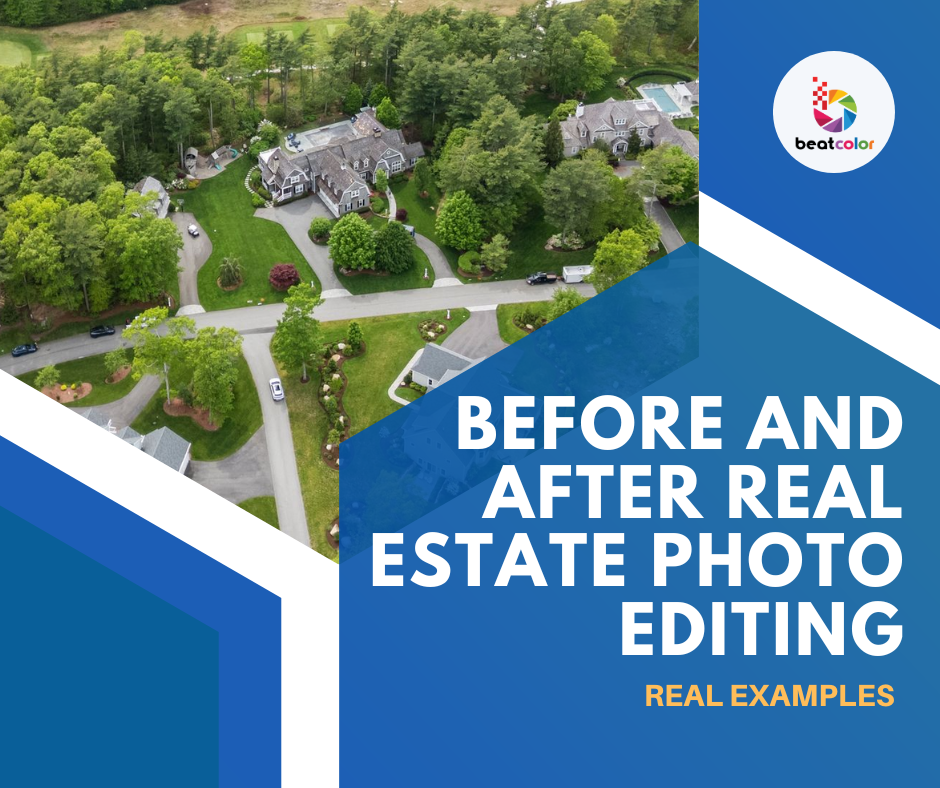
Real Estate Photo Editing can completely change how a property is perceived online. The difference between an edited image and an unedited one is often remarkable.
A camera captures a property exactly as it appears. However, buyers rarely experience homes through a camera lens.
Instead, they judge listings through screens, thumbnails, and quick impressions. Therefore, photos need to communicate the property’s true potential.
This is where professional editing becomes valuable.
Many people assume photo editing creates unrealistic images. In reality, good editing reveals details already present in the scene. The goal is not deception. Rather, it is an accurate and attractive presentation.
In this article, we will explore real before-and-after editing examples. Additionally, we will examine why these transformations matter in modern real estate marketing.
Why Before-and-After Comparisons Matter
A finished image tells only part of the story. The real value becomes obvious when comparing the original photo to the edited version. Before-and-after examples demonstrate how small adjustments create significant improvements.
Moreover, they help agents and photographers understand the impact of professional editing. Buyers rarely see the original photos. Nevertheless, the final result directly affects their perception of a property.
Therefore, understanding the editing process provides valuable insight.
Example 1: Transforming a Dark Living Room
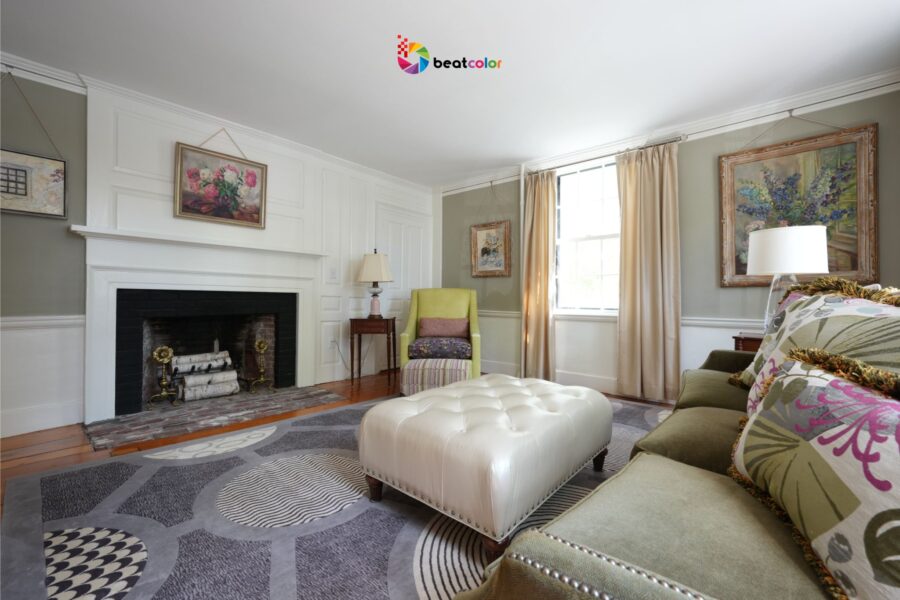
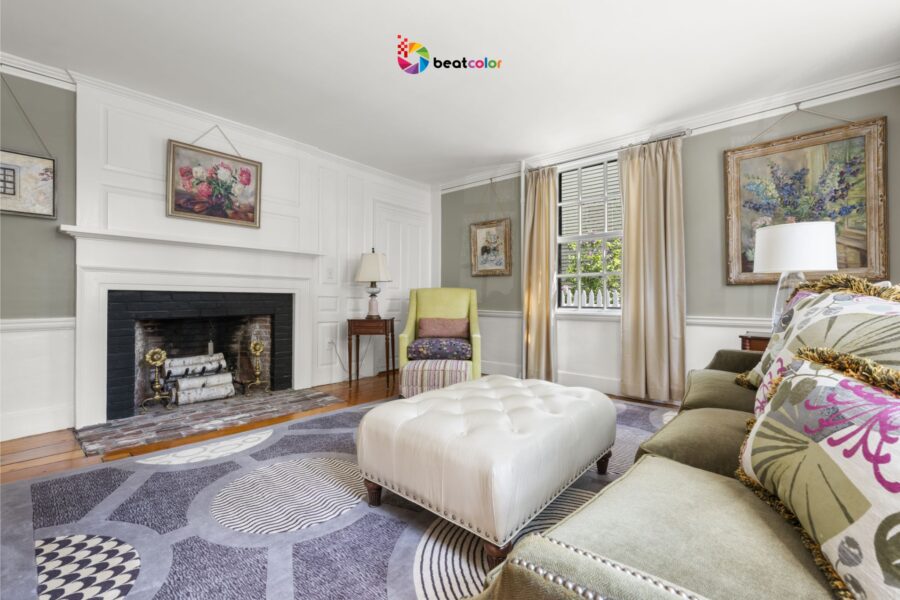
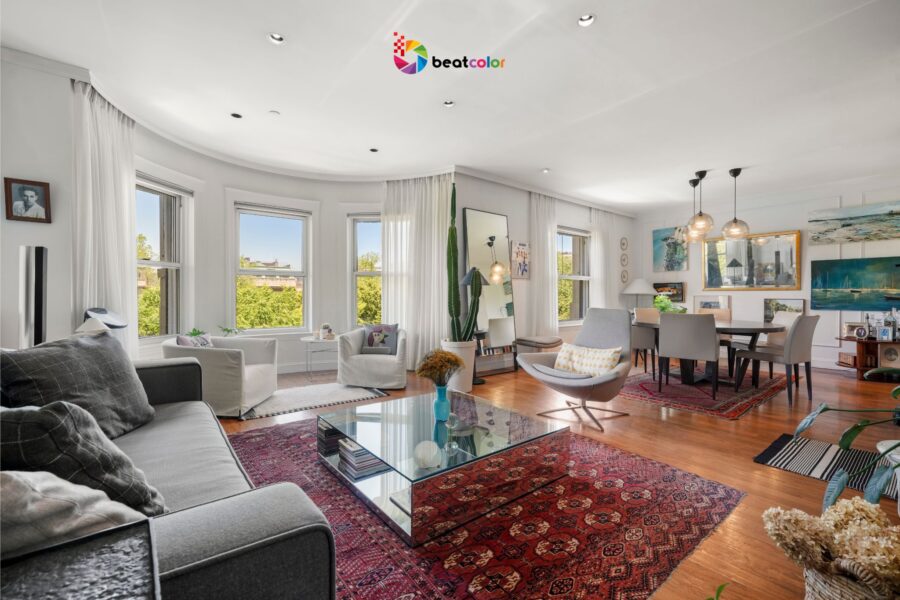
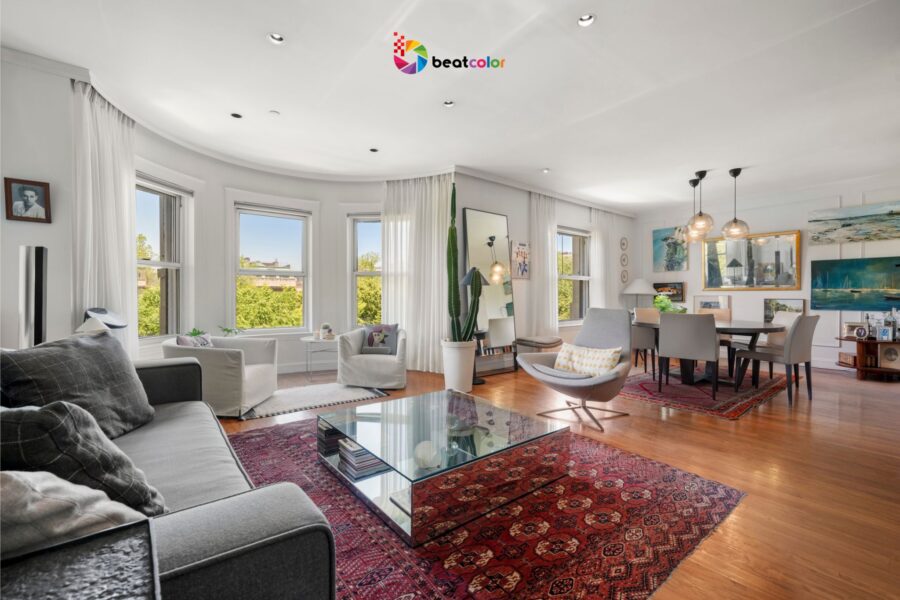
Imagine a spacious living room photographed on a cloudy afternoon. The original image appears dull and slightly underexposed. Natural light enters through the windows. However, much of the room remains dark.
As a result, the space feels smaller than it actually is. After editing, brightness levels become balanced.
Shadows are softened without losing detail. Colors appear more accurate and inviting.
Additionally, furniture textures become clearer. The room suddenly feels open and comfortable.
Nothing inside the property changed. Yet the visual impact improved dramatically.
Example 2: Replacing a Dull Sky
Exterior photos often depend on weather conditions. Unfortunately, the weather rarely cooperates perfectly.
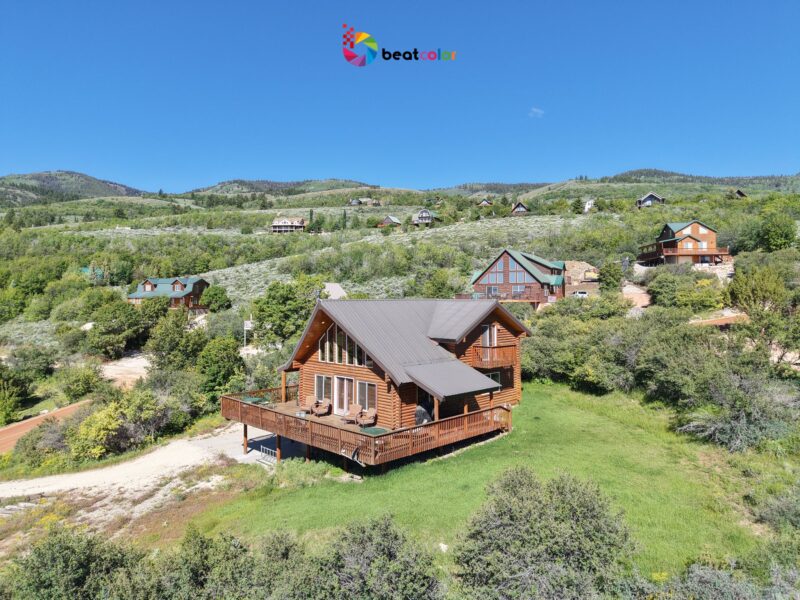
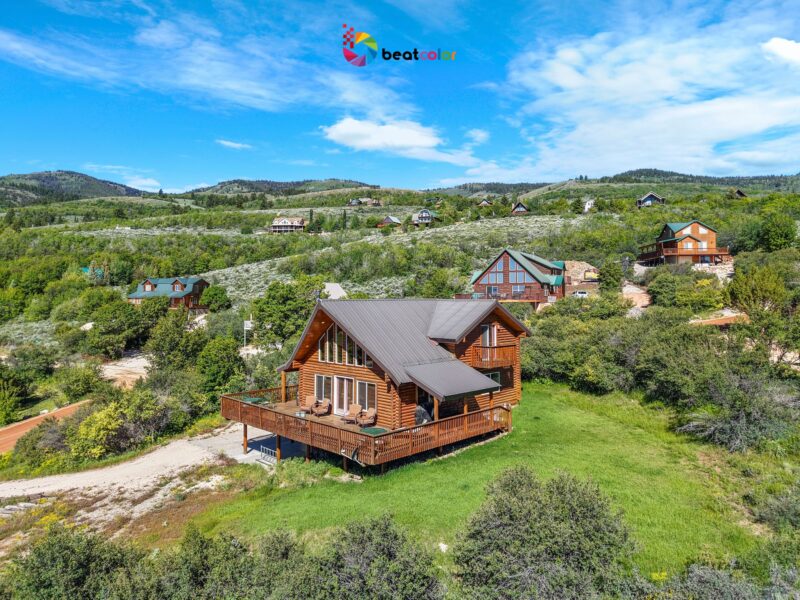
Consider a home photographed beneath a gray sky. The house looks clean and attractive.
However, the background creates a gloomy atmosphere. After professional editing, the sky is replaced with soft blue tones. A few natural clouds add depth.
Consequently, the entire property appears more welcoming. The house remains unchanged.
However, the mood of the image improves significantly. This simple adjustment often increases visual appeal immediately.
Example 3: Correcting Window Views
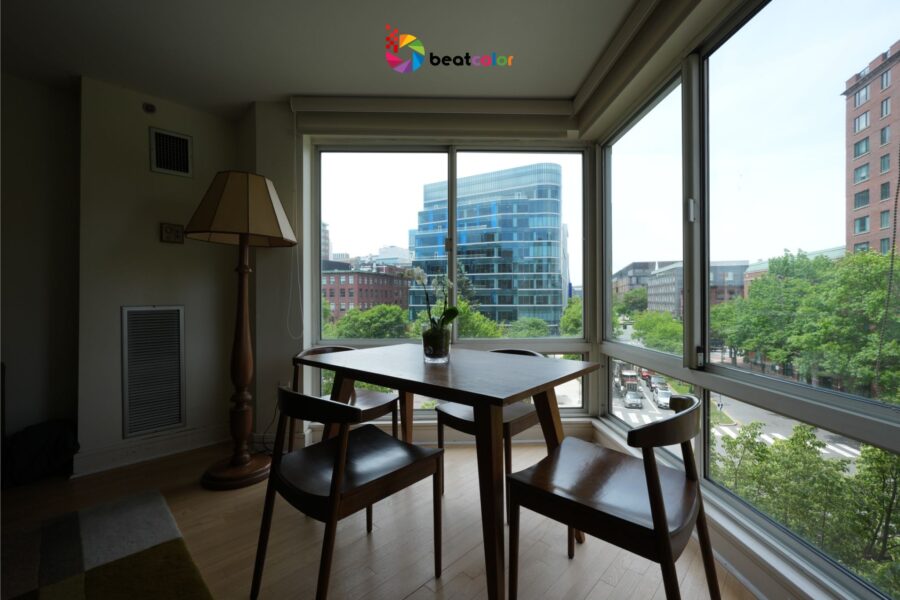
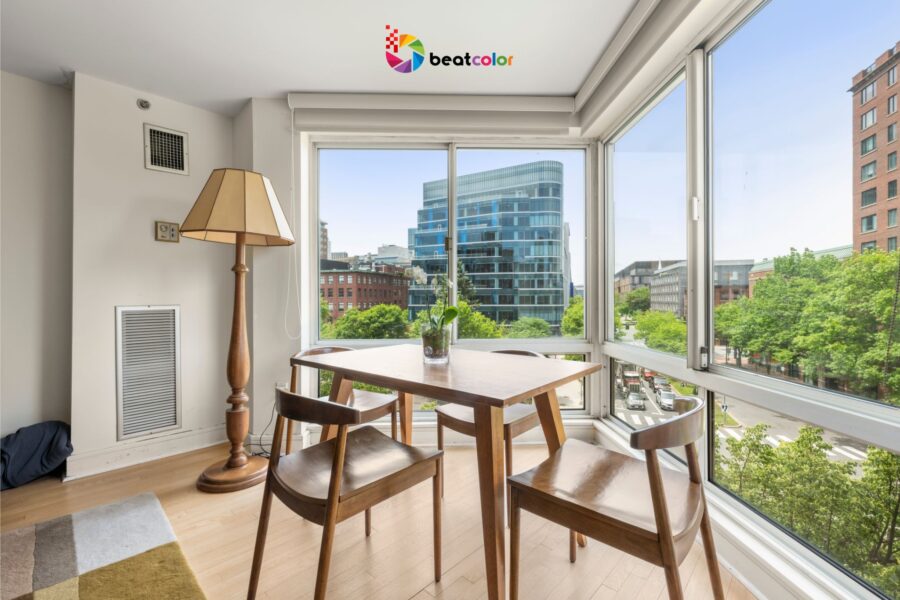
Interior photography presents a common challenge. Windows frequently appear too bright.
In many original images, outdoor details disappear completely. The result looks unnatural.
Viewers notice a bright white rectangle rather than a realistic window. Professional editing restores exterior details. Trees, gardens, and landscapes become visible again.
Furthermore, the room maintains balanced interior lighting. This improvement creates a more realistic viewing experience.
Consequently, buyers gain a better understanding of the property’s surroundings.
Example 4: Removing Small Distractions
Many homes contain minor distractions during photography sessions. Examples include electrical cords, garbage bins, and personal items. These objects may seem insignificant.
However, they often attract unwanted attention. Consider a beautifully staged kitchen. A visible trash can near the counter interrupts the visual flow.
After editing, the distraction disappears. The kitchen feels cleaner and more polished. Importantly, the room still appears authentic.
The focus simply shifts toward the property’s best features.
Example 5: Correcting Color Issues
Different light sources create color inconsistencies. For instance, a room may contain daylight and warm interior lighting. As a result, colors appear uneven. Walls may look yellow in one area and blue in another.
Professional editors correct these imbalances. The final image displays consistent tones throughout the room. Consequently, the property feels more natural and professionally presented.
Color correction remains one of the most important editing techniques.
Example 6: Enhancing Exterior Landscaping
Landscaping contributes heavily to curb appeal. However, camera settings sometimes fail to capture vibrant greenery.
Original images may show dull grass and muted plants. After editing, colors become richer while remaining realistic.
The yard appears healthy and well-maintained. Additionally, pathways and garden features gain definition.
These adjustments strengthen the property’s first impression. Therefore, exterior editing often delivers strong marketing value.


Example 7: Perspective Correction
Wide-angle lenses help photographers capture entire rooms. However, they sometimes create distortion.
Walls may appear tilted. Vertical lines can lean unnaturally.
As a result, rooms seem awkward. Perspective correction solves this issue.
Editors straighten walls and architectural elements. The room immediately feels more balanced.
Moreover, buyers receive a more accurate representation of the space.
What Makes an Effective Before-and-After Transformation?
Not every edit creates a meaningful improvement. Successful editing follows specific principles.
Realism Comes First
The best edits appear natural. Viewers should notice the property, not the editing. Therefore, subtle enhancements often outperform dramatic adjustments.
Consistency Matters
Every image in a listing should follow a similar style. Consistent editing creates a professional appearance. Furthermore, it strengthens marketing materials.
Details Should Remain Accurate
Professional editing improves presentation without changing reality. The property should still look like the actual home.
Therefore, ethical editing remains important.
Why Buyers Respond to Edited Photos
People make visual decisions quickly. Research consistently shows that strong imagery captures attention faster. Property listings operate the same way.
Buyers often scroll through dozens of listings within minutes. Therefore, every image competes for attention.
Professional editing helps properties stand out. Additionally, polished photos create stronger emotional connections.
Buyers begin imagining themselves within the space. That emotional response often influences future actions.
The Business Value of Real Estate Photo Editing
Photo editing provides benefits beyond aesthetics. First, it improves listing presentation. Second, it strengthens a realtor’s professional image. Third, it supports marketing campaigns across multiple platforms.
Moreover, attractive photos encourage higher engagement. More engagement often leads to more inquiries.
Consequently, editing contributes to overall marketing performance. While editing cannot sell a property alone, it supports every marketing effort.
Common Misconceptions About Edited Real Estate Photos
Some people believe editing creates unrealistic expectations. However, professional editing focuses on correction rather than manipulation. Editors improve lighting, color, and clarity.
They do not change room sizes or structural features. Another misconception involves automation. Many editing tools now use artificial intelligence.
Nevertheless, human expertise remains essential. Professional judgment ensures every image looks balanced and authentic.
The Future of Real Estate Image Editing
Technology continues advancing rapidly. Editing software now performs many tasks automatically. As a result, workflows become faster and more efficient. However, creativity and experience still matter.
Buyers prefer natural-looking photos over heavily processed images. Therefore, professional editors continue playing a vital role. Future editing tools will improve speed. Yet human decision-making will remain valuable.
Wrap-up
Real Estate Photo Editing bridges the gap between what a camera captures and what buyers need to see.
Before-and-after examples clearly demonstrate its value. Small adjustments often create significant improvements in presentation.
From brighter interiors to cleaner exteriors, editing helps properties look their best. Moreover, it supports stronger marketing results.
The most effective edits remain subtle, realistic, and consistent. Therefore, professional editing continues to be an essential part of modern real estate photography.
Ultimately, the goal is simple. Show every property at its full potential while maintaining trust and authenticity.
Read more:
How Professional Photo Editing Helps Realtors Sell Faster
Flambient vs HDR Photography: Which Produces Better Results?
HDR Real Estate Photo Editing: Complete Beginner’s Guide