
Virtual Staging vs Traditional Staging: Which Is Better?
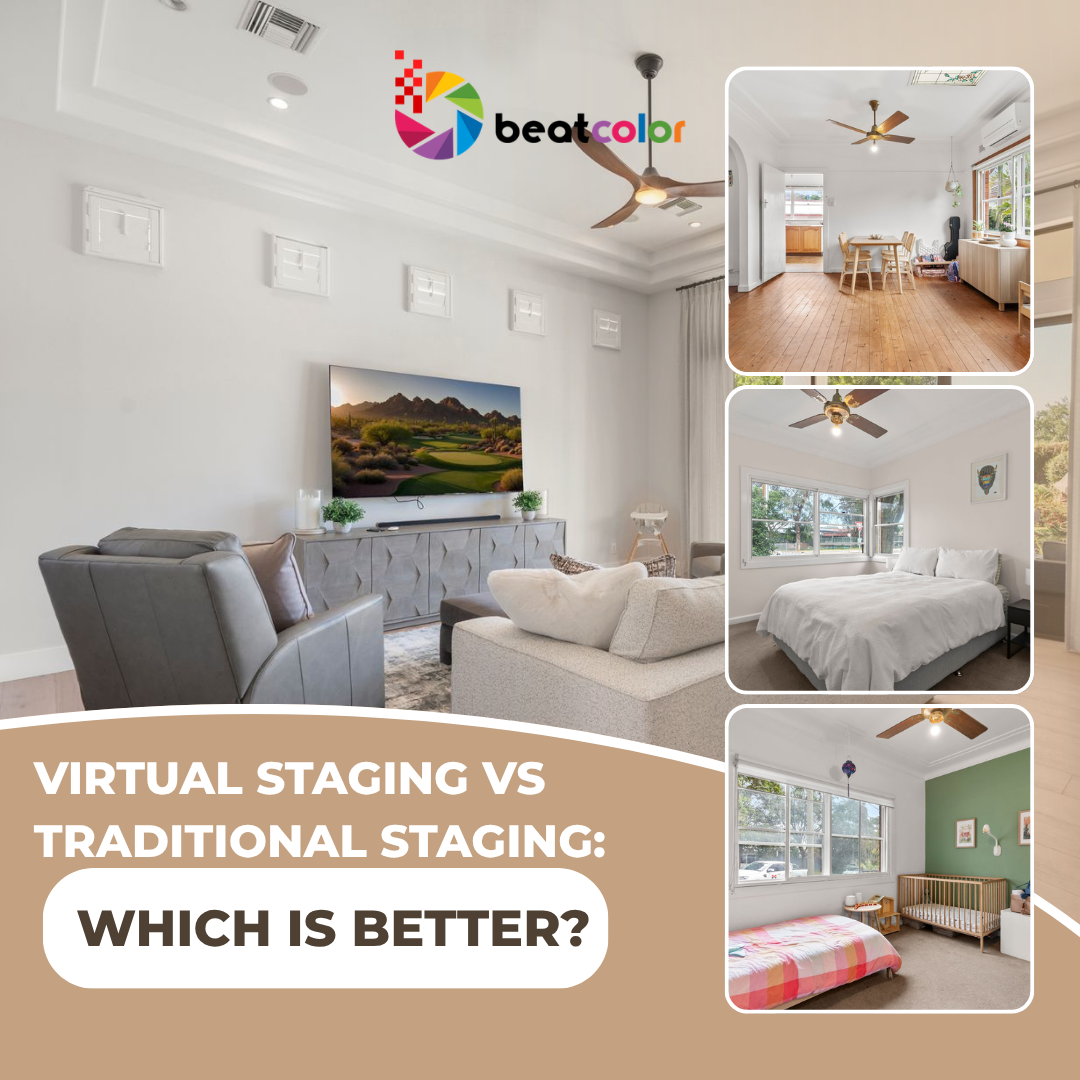
Staging helps sell homes faster. It helps buyers picture themselves living in a space instead of an empty shell. But which method works best: virtual staging or traditional staging? Both have pros and cons, and the right choice can affect your budget, your timeline, and how buyers respond to your listing. Let’s break down the differences so you can make an informed decision.
What Is Virtual Staging?
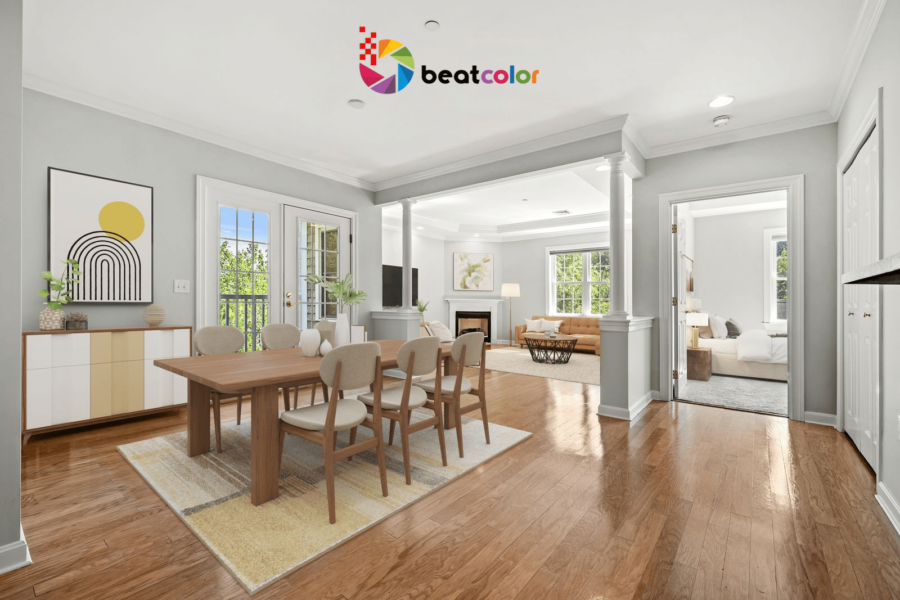
This method adds furniture to photos digitally. No physical furniture is used. A designer uses software to fill an empty room with realistic decor. The result is a photorealistic image.
It has grown quickly in popularity. Most buyers search homes online first. Listing photos are often their first impression. This approach makes that first impression count.
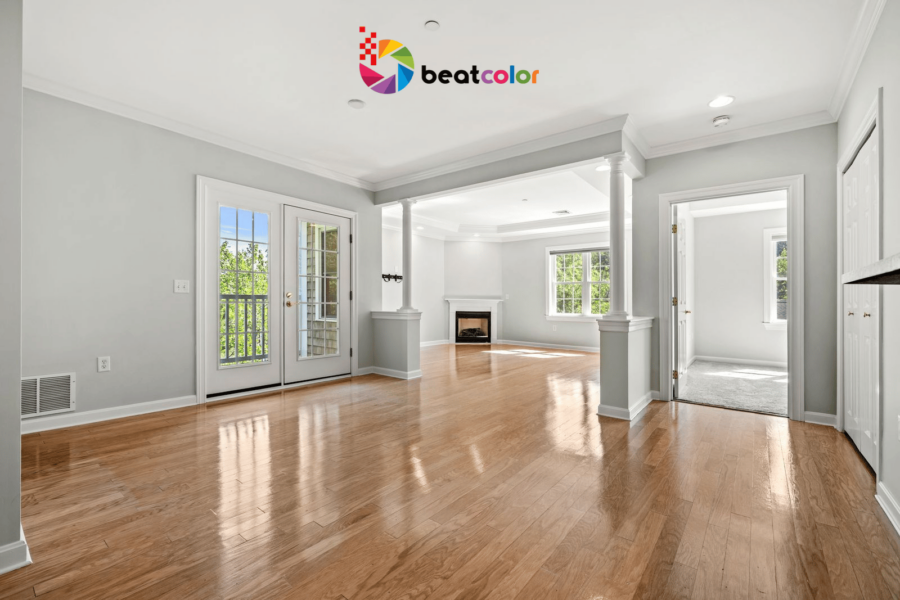
Real estate agents also use it for vacant properties. Empty rooms can look cold and uninviting in photos. Adding digital furniture instantly makes a space feel warm and livable. It also helps buyers picture their own furniture in the room.
What Is Traditional Staging?
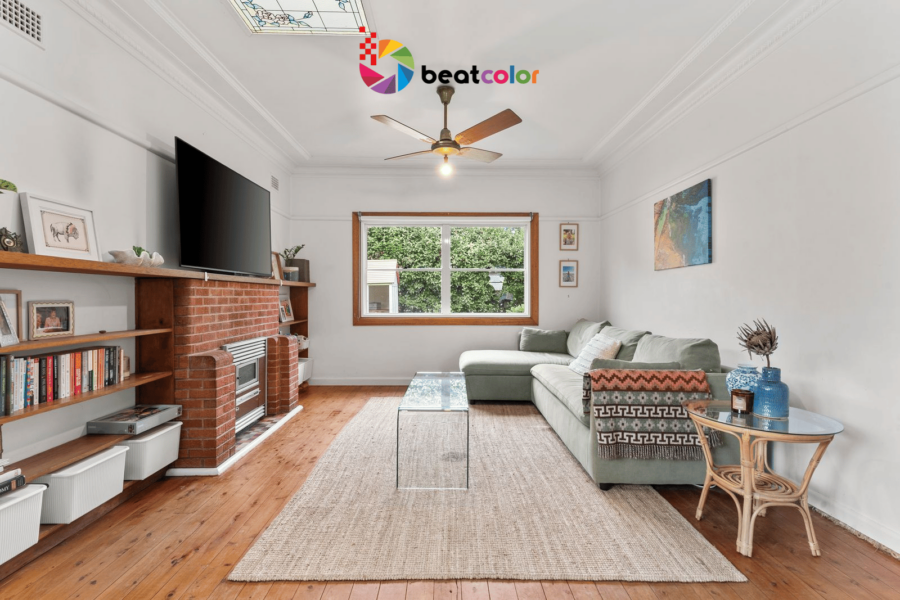
This method uses real furniture. A stager visits the home. They bring in sofas, tables, rugs, and art. They arrange everything to highlight the home’s best features.
Buyers can walk through the space. They see the real scale and flow. This creates a strong, tangible experience. That’s why this classic approach has long been the industry standard.
Professional stagers often work with a checklist. They study the home’s layout, lighting, and target buyer profile. Then they choose furniture that fits the style of the neighborhood. This attention to detail can make a big difference during open houses.
Virtual Staging vs Traditional Staging: Cost Comparison
Cost is a major difference between the two.
The traditional route can be expensive. Costs cover furniture rental, moving fees, and the stager’s time. Prices range from a few hundred to several thousand dollars. If the home sits on the market, costs keep adding up.
The digital option costs much less. There’s no furniture to rent or move. Prices are usually a small fraction of physical staging. This makes it ideal for tight budgets. It’s also great for staging multiple rooms at once.
For sellers with several properties or a large home, this cost gap matters even more. Staging five rooms the traditional way can be costly. Doing the same digitally often costs just a fraction of the price.
Virtual Staging Speed and Convenience
Speed is where the digital option really shines.
Physical setup takes time. You have to schedule deliveries and arrange furniture on-site. The whole process can take days or weeks. That’s a problem if you need to list fast.
The digital process is much quicker. Send empty room photos to a provider. Get staged images back in 24 to 48 hours. Upload them and go live. This speed is perfect for time-sensitive listings.
This convenience also helps agents juggling multiple listings at once. There’s no need to coordinate schedules with movers or stagers. Photos can be sent and returned while the agent focuses on other tasks.
Visual Impact and Realism
The technology behind this approach has improved a lot. Lighting, shadows, and proportions are matched carefully. In photos, it’s hard to tell a digitally staged room from the real thing.
But the physical route wins for in-person showings. Buyers can touch the furniture. They can walk through the space. They feel the room’s energy firsthand. Photos alone can’t replicate that once someone walks through the door.
If your listing gets lots of in-person visits, physical furniture may help more. It builds a stronger emotional connection on-site. Some buyers also like to test how furniture fits, which only physical staging allows.
Flexibility and Customization
The digital route offers more flexibility. Everything is editable, so changes are easy. Want a modern look? Done. Want a cozy traditional style instead? Just as easy. Both can come from the same base photo.
The physical version is harder to change. The furniture is already in place. Swapping styles means moving items or bringing in new pieces. That takes more time and money.
This flexibility also helps when targeting different buyer types. A single room can be styled multiple ways to appeal to families, young professionals, or downsizing retirees, all without extra furniture costs.
Which One Should You Choose?
It depends on your goals, budget, and timeline.
Go digital if:
- You need a fast, affordable solution
- You’re staging multiple rooms or listings
- The home won’t get much foot traffic before going under contract
Go traditional if:
- You expect frequent in-person showings or open houses
- Your budget allows for it
- You want buyers to feel the space physically
Many agents now combine both. They use one for online photos and add light physical staging for in-person visits. This hybrid approach saves money without sacrificing the in-person experience.
Final Thoughts
Both approaches can boost how buyers see a property. But they serve different needs.
The digital option is fast, affordable, and flexible. It’s ideal for online listings in today’s digital-first market. The traditional route still matters for in-person showings, since it creates a real, physical connection with buyers.
For most sellers and agents, virtual staging offers the best return on investment. Listing photos drive most of the buyer interest today, and as the technology keeps improving, it’s becoming the smarter, more budget-friendly choice for real estate marketing.
Before deciding, think about your specific listing. Consider your budget, how quickly you need to sell, and how many people are likely to tour the home in person. Weighing these factors will help you choose the staging strategy that gives your property the best chance of standing out.
Read more:
AI Virtual Staging Explained: How It Works
Can AI Real Estate Photo Editing Replace Professional Editors?
Real Estate Photography Mistakes That Cost You Listings