
Best AI Real Estate Photo Editing Tools Compared
AI real estate photo editing has become a valuable advantage. As the real estate industry continues embracing artificial intelligence faster than ever. Today, buyers expect attractive listing photos before scheduling property tours. Modern AI tools improve image quality within minutes instead of hours.
They also help photographers, agencies, and editors increase productivity. However, not every AI editor delivers the same quality.
Some tools focus on automation. Others prioritize professional-level image enhancement.
This guide compares today’s best AI real estate photo editing tools. You will discover their strengths, limitations, pricing, and ideal use cases.
Why AI Real Estate Photo Editing Matters
Real estate marketing depends heavily on visual presentation.
According to recent housing marketing reports, buyers spend most of their attention viewing listing photos before reading descriptions.
High-quality images generate more clicks and stronger buyer engagement. Meanwhile, AI reduces repetitive editing work dramatically.
Editors can automate tasks that previously required significant manual effort.
Consequently, photographers complete more projects every week. Real estate agencies also shorten their listing preparation time.
Most importantly, AI allows professionals to focus on creative improvements instead of repetitive adjustments.
What Makes a Great AI Real Estate Photo Editing Tool?
Several factors separate excellent software from average alternatives.
Image Quality
Automation should never reduce realism. The best AI produces natural lighting, balanced colors, and realistic shadows. Artificial-looking edits quickly reduce buyer trust.
Editing Speed
Fast delivery matters in competitive housing markets. Most leading AI editors finish basic enhancements within minutes.
Automation Features
Powerful software automatically recognizes:
- Walls
- Windows
- Floors
- Furniture
- Sky
- Exterior landscaping
This recognition improves editing consistency.
Ease of Use
Professional software should remain beginner-friendly. Simple workflows reduce training time. They also improve productivity across larger teams.
Integration
Many photographers already use Lightroom, Photoshop, or cloud storage. Good AI software connects smoothly with existing workflows.
Best AI Real Estate Photo Editing Tools Compared
1. Autoenhance.ai
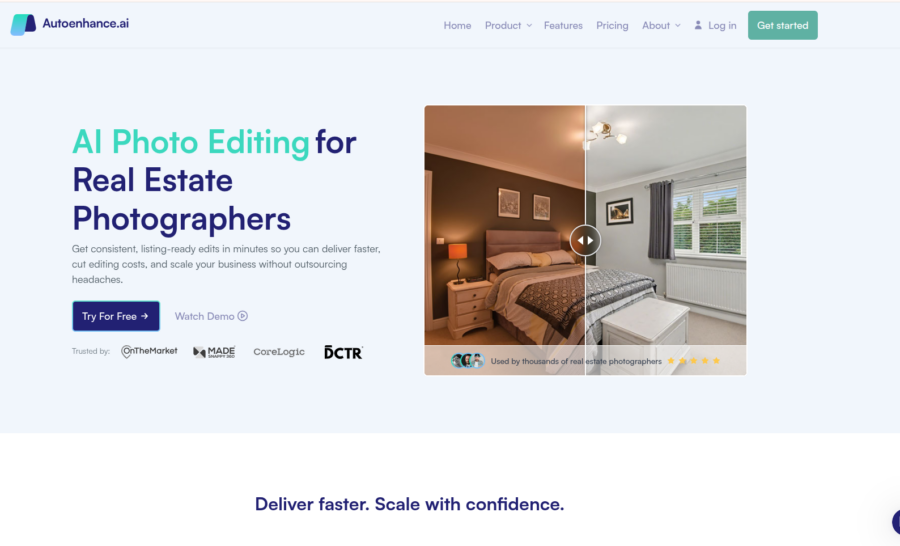
Autoenhance.ai specializes in real estate photography. Its automation focuses specifically on property listings.
Key features include:
- Sky replacement
- Perspective correction
- Lawn enhancement
- Image relighting
- HDR improvements
Advantages:
- Extremely fast processing
- Easy batch editing
- Designed specifically for real estate
Limitations:
- Limited manual editing controls
- Premium pricing for larger volumes
Best for:
Busy photographers needing rapid turnaround.
2. Adobe Photoshop with Firefly AI

Adobe continues expanding its AI capabilities. Firefly introduces intelligent image generation and editing.
Editors can quickly remove distractions from property photos. Generative Fill simplifies difficult retouching tasks.
Advantages:
- Professional editing quality
- Excellent manual control
- Powerful AI assistance
Limitations:
- Steeper learning curve
- Monthly subscription required
Best for:
Professional editors seeking maximum flexibility.
3. Luminar Neo

Luminar Neo combines AI automation with creative editing. It offers intuitive tools for beginners. Its AI analyzes each image before suggesting improvements.
Popular features include:
- Relight AI
- Sky AI
- Enhance AI
- Structure AI
Advantages:
- Easy interface
- Fast learning process
- Strong landscape enhancement
Limitations:
- Less specialized for real estate
- Some exports require additional adjustments
Best for:
Freelancers handling multiple photography styles.
4. Topaz Photo AI
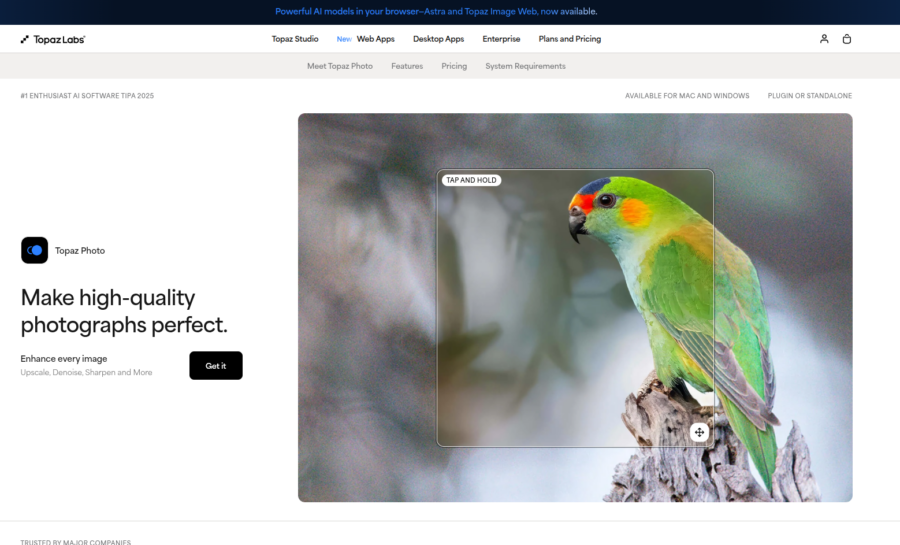
Topaz Photo AI excels at recovering image quality. It improves blurry, noisy, or low-resolution property photos. This software works especially well with drone photography.
Advantages:
- Outstanding image sharpening
- Excellent noise reduction
- High-resolution enhancement
Limitations:
- Slower processing
- Limited workflow automation
Best for:
Photographers restoring imperfect original images.
5. Virtual Staging AI Platforms
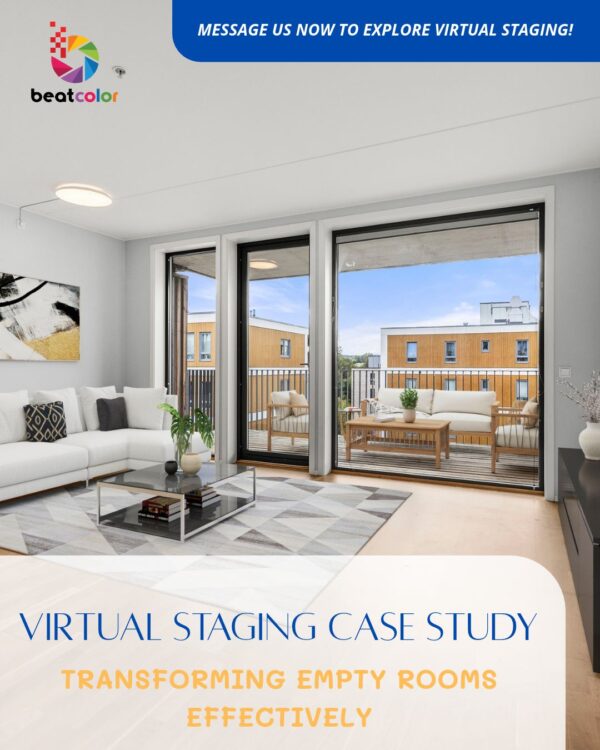
Several platforms now combine virtual staging with AI editing. Users can furnish empty rooms automatically. Some platforms generate multiple interior design styles instantly.
Advantages:
- Faster staging
- Lower costs
- Multiple design options
Limitations:
- Furniture realism varies
- Manual review remains necessary
Best for:
Agents marketing vacant properties.
Comparison Table
| Tool | Best Feature | Ease of Use | Real Estate Focus |
| Autoenhance.ai | Full automation | Excellent | Excellent |
| Photoshop Firefly | Professional editing | Moderate | Good |
| Luminar Neo | AI enhancements | Excellent | Good |
| Topaz Photo AI | Image restoration | Good | Moderate |
| Virtual Staging AI | AI furnishing | Excellent | Excellent |
Can AI Replace Professional Photo Editors?
The short answer is no. AI continues improving rapidly.
Nevertheless, professional editors still provide significant value. AI performs repetitive work efficiently.
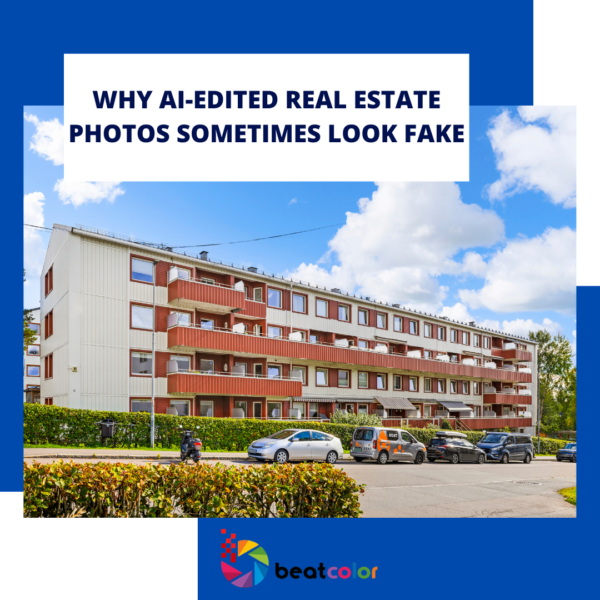
However, experienced editors understand composition, lighting balance, buyer psychology, and visual storytelling. Human editors also identify subtle imperfections that AI occasionally overlooks.
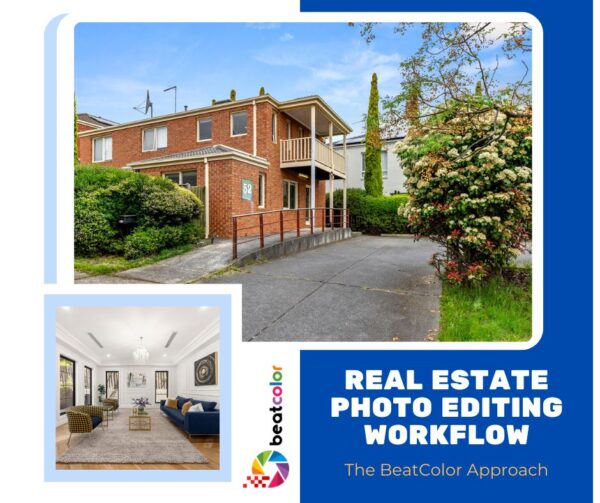
For luxury listings, professional editing remains essential. Many successful companies now combine AI with expert human review. This hybrid workflow delivers faster turnaround without sacrificing quality.
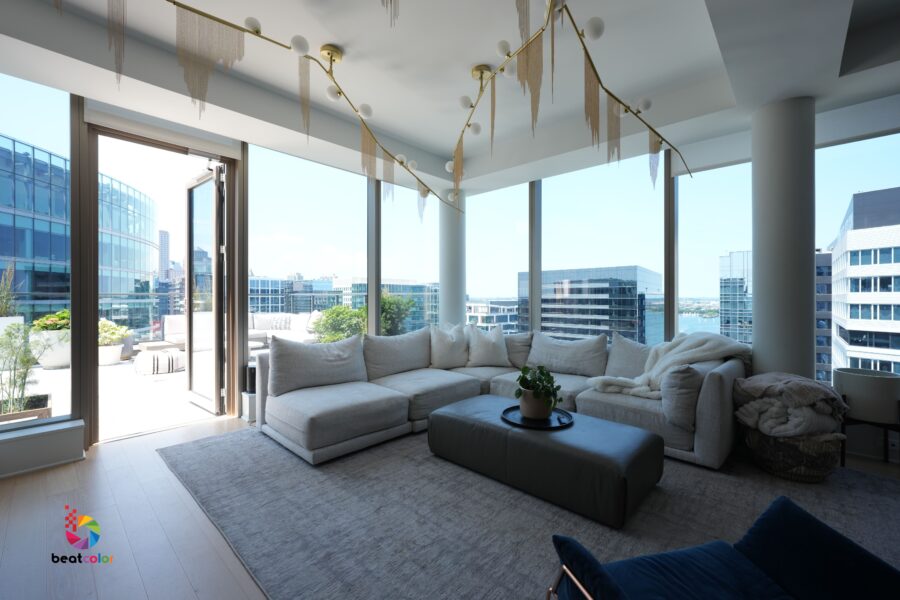
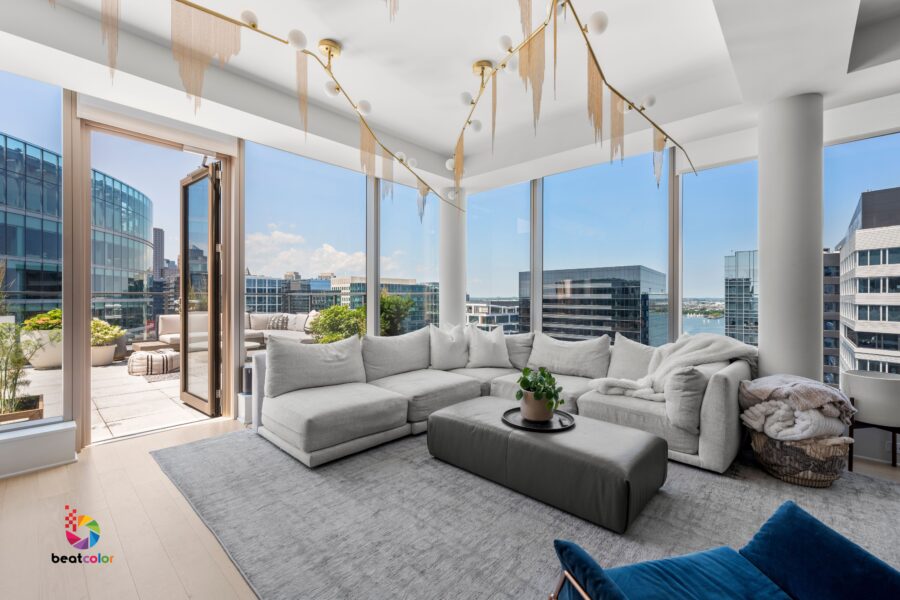
Example Provided to See The Power of Professional Editors
Trends Shaping AI Real Estate Photo Editing
Artificial intelligence evolves almost every month. Several important trends are changing the industry.
Smarter Image Recognition
AI now identifies architectural features more accurately. This creates cleaner masking and more realistic edits.
Automated Listing Packages
Some platforms automatically generate:
- Listing photos
- Social media images
- Marketing flyers
- Property videos
This saves marketing teams considerable time.
AI Video Enhancement
Video editing receives increasing AI support. Automatic stabilization, sky replacement, and color grading continue improving. This trend supports growing demand for property videos.
Personalized Virtual Staging
Modern AI creates furniture styles matching local buyer preferences. Some systems even recommend staging based on neighborhood demographics.
Choosing the Right AI Real Estate Photo Editing Tool
Your ideal software depends on your business model. Photographers needing speed should prioritize automation.
Creative professionals may prefer greater editing control. Meanwhile, agencies managing hundreds of listings benefit from scalable cloud solutions.
Before purchasing, consider these questions:
- How many properties do you edit weekly?
- Do you need virtual staging?
- Is manual editing important?
- Will multiple team members use the software?
- Does it integrate with your workflow?
Answering these questions simplifies your decision.
Final Thoughts
The future of AI real estate photo editing looks exceptionally promising. Automation continues reducing production time while improving consistency.
Nevertheless, the strongest results still combine artificial intelligence with professional expertise.
Instead of replacing editors, AI becomes their most valuable assistant. Businesses adopting this balanced approach will remain competitive throughout 2026 and beyond.
Whether you are a photographer, agency, or editing company, selecting the right AI platform can improve efficiency, reduce costs, and deliver more impressive property marketing.
AI Real Estate Photo Editing: Benefits, Risks and Limitations
Real Estate Editing AI vs Human: Which Delivers Better Results?
Sky Replacement for Real Estate Photos: Best Practices and Examples