
Winter Real Estate Photo Editing: Before and After Transformations
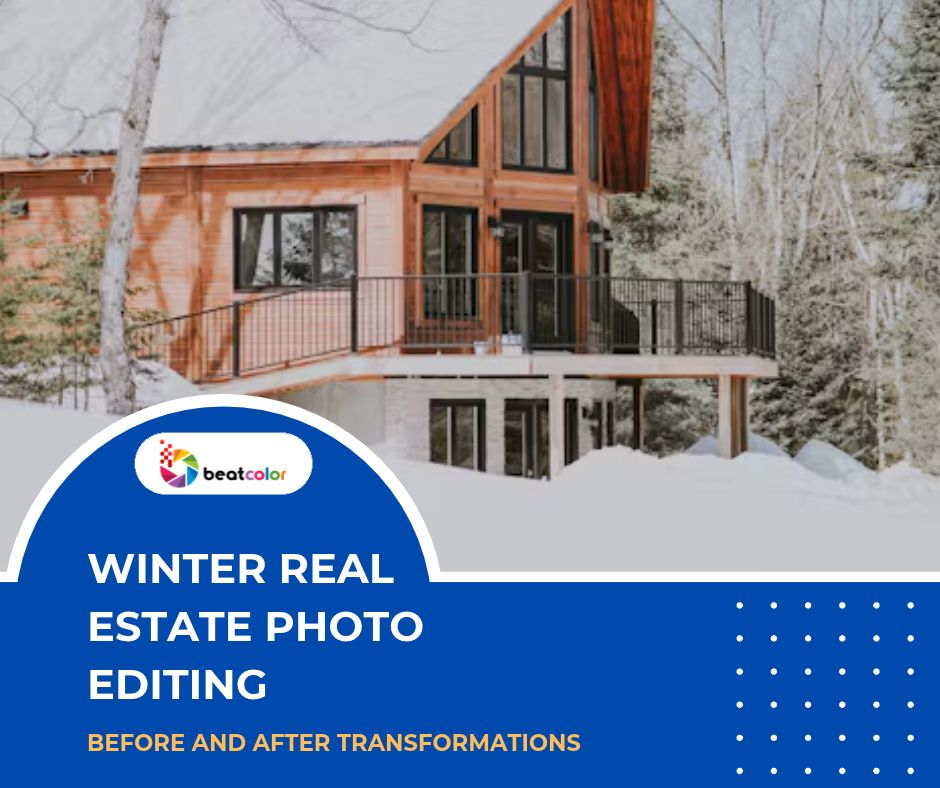
Winter creates a beautiful atmosphere, but photographing properties during colder months isn’t always easy.
Gray skies, limited daylight, snowy surroundings, and dull landscapes can affect even exceptional property photographs.
So, how can photographers present these properties at their best?
The answer lies in professional Winter Real Estate Photo Editing.
Through carefully planned before-and-after transformations, ordinary winter photographs can become brighter, cleaner, and more appealing. More importantly, professional editing helps potential buyers understand a property’s actual features.
Let’s explore several real-world editing scenarios and discover why these improvements matter.
1. Dark Interior Photography: From Gloomy to Inviting
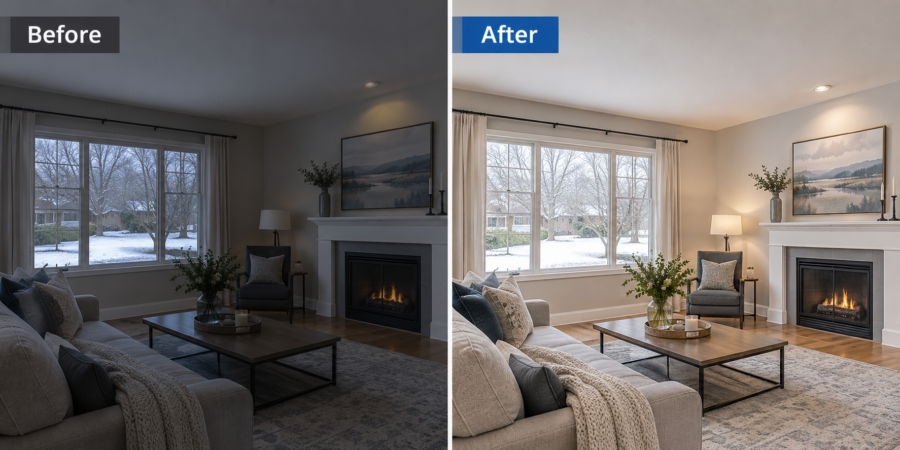
BEFORE: The original photograph
Imagine a beautiful living room photographed on a cloudy winter afternoon.
Natural light barely reaches the furniture. Dark corners dominate the composition, while the windows appear excessively bright.
Although the room looks welcoming in person, the photograph tells another story.
AFTER: Professional editing
A professional editor balances exposure, recovers shadow details, and corrects the white balance.
Window highlights receive careful adjustments wherever image information remains available. Meanwhile, furniture, flooring, and wall textures become easier to appreciate.
The room now feels brighter without losing its natural atmosphere.
Why does this transformation matter?
Interior photographs often create buyers’ first impressions of a property’s living spaces.
2. Overcast Exteriors: From Flat Skies to Balanced Lighting
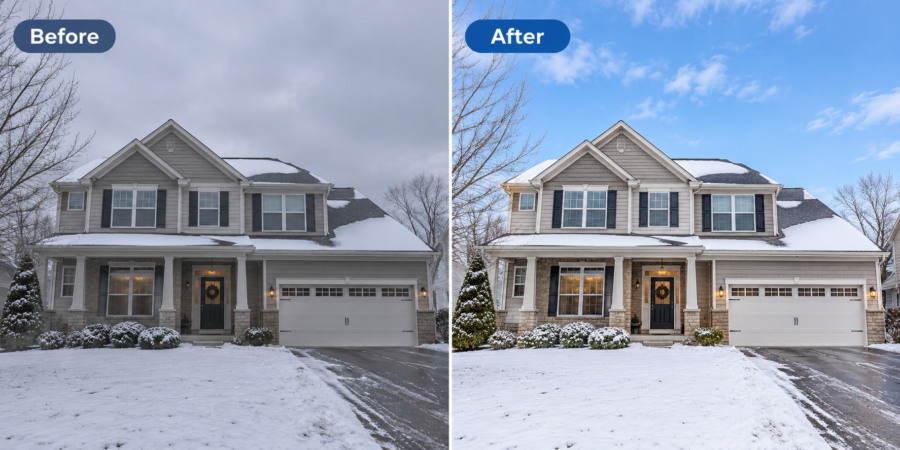
BEFORE: The original photograph
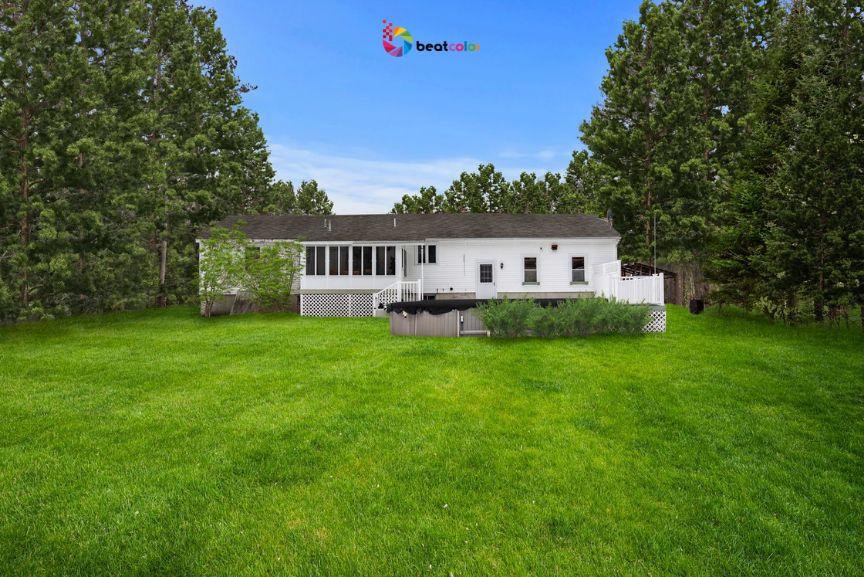
Winter exterior photography frequently suffers from gray skies and limited sunlight.
Buildings may appear flat, while surrounding trees and landscaping lose their natural color. Even an attractive property can look less impressive under these conditions.
AFTER: Professional editing
Professional editing improves exposure, contrast, and color balance. Editors can also replace distracting skies when appropriate, provided the replacement remains consistent with the property’s actual surroundings.
The building receives balanced visual treatment, while architectural details become more noticeable. However, realistic lighting remains essential.
A bright blue sky shouldn’t accompany completely overcast shadows without careful adjustments.
Why does this transformation matter?
Exterior photographs introduce buyers to the property’s appearance and surroundings. A clear, balanced image helps viewers understand architectural features more easily. It also creates a stronger visual presentation across property listings and marketing materials.
3. Dull Winter Landscaping: From Lifeless to Well-Presented
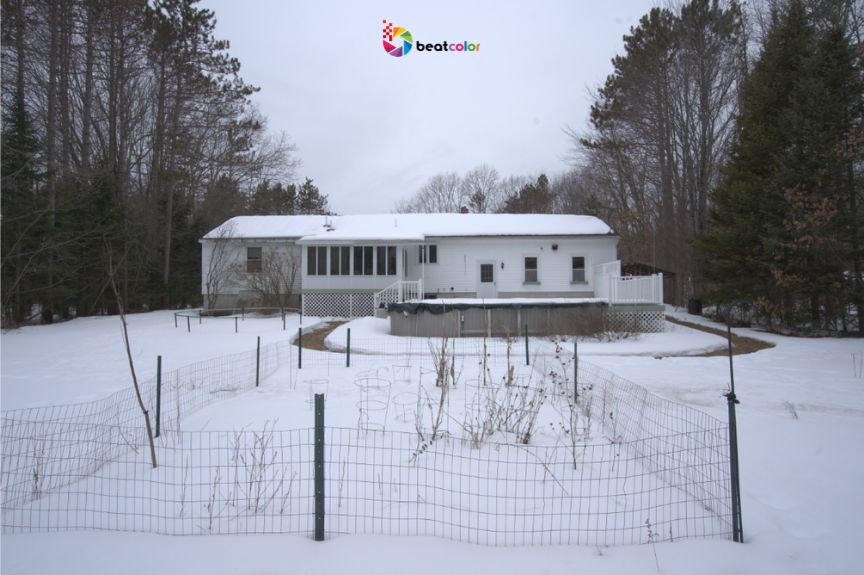
BEFORE: The original photograph
A property’s outdoor areas can look less attractive during winter. Dormant grass, bare branches, and faded vegetation often dominate exterior photographs. Unfortunately, these seasonal conditions can distract viewers from the property’s actual design.
AFTER: Professional editing
Editors can improve existing landscaping through selective color correction and exposure adjustments. They can also remove minor photographic distractions when appropriate.
However, changing dormant grass into a completely green summer lawn requires careful consideration. If the edited image changes the property’s actual condition, clear disclosure may be necessary.
The objective should remain accurate visual enhancement.
Why does this transformation matter?
Outdoor spaces influence how buyers evaluate a property’s overall presentation. Clear photographs help viewers appreciate existing gardens, patios, pathways, and outdoor features. Honest editing also prevents unrealistic expectations during property visits.
4. Yellow and Blue Color Casts: From Inconsistent to Natural
BEFORE: The original photograph
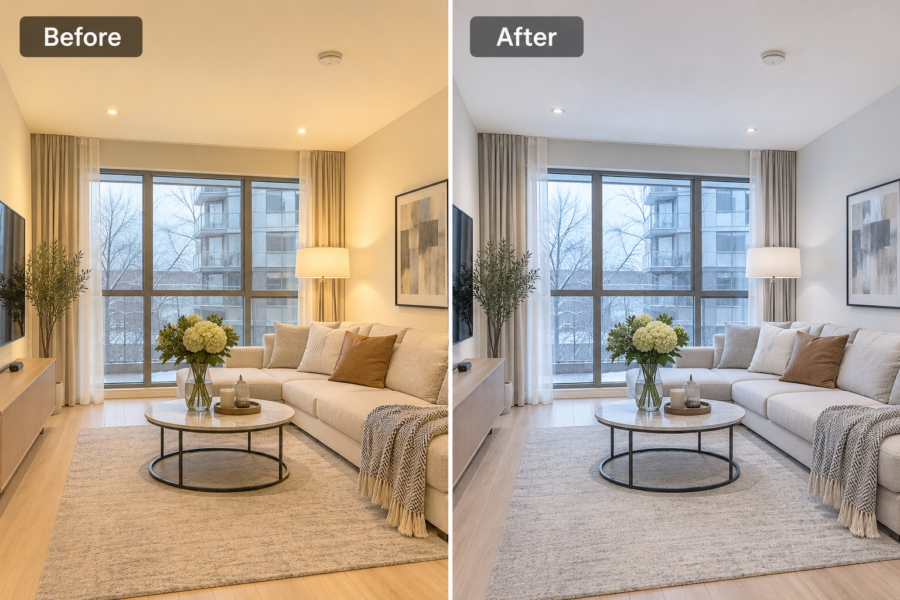
Winter lighting can create unusual color combinations inside properties. Artificial lights introduce yellow tones, while daylight entering windows creates cooler blue areas. Consequently, white walls may appear yellow, and wooden surfaces can lose their natural appearance.
AFTER: Professional editing
White balance adjustments help restore realistic colors. Editors can correct individual areas using selective color adjustments and localized masking.
Furniture, flooring, countertops, and walls receive particular attention. Rather than applying one filter across everything, professionals balance each lighting condition separately. The finished photograph feels cleaner and more consistent.
Why does this transformation matter?
Accurate colors help buyers understand interior finishes and materials. They also create visual consistency throughout the entire property gallery.
5. Why Before-and-After Winter Real Estate Photo Editing Matters
Winter photography presents challenges that warmer seasons don’t always create. Limited daylight reduces brightness. Snow creates difficult highlights, while dormant landscapes introduce muted colors.
Therefore, professional editing becomes especially valuable during winter marketing campaigns. Here are four important benefits:
1. Stronger first impressions
Clearer photographs help properties stand out in crowded online listings.
2. Better visual communication
Balanced lighting reveals architectural details that difficult winter conditions might otherwise hide.
3. Consistent property galleries
Professional editing creates a unified appearance across photographs captured under different lighting conditions.
4. More trustworthy presentation
Careful enhancements improve image quality without changing the property’s actual features.
The distinction matters. The industry is paying increasing attention to transparency and image accuracy.
In California, AB 723 introduced disclosure requirements for materially altered property images, effective January 2026. Other markets may follow different MLS and advertising rules.
For photographers and editing companies, responsible enhancement is becoming increasingly important.
6. Professional Winter Real Estate Photo Editing: What Should Photographers Prioritize?
Not every winter photograph needs extensive retouching. The right editing approach depends on the original image, property type, and marketing requirements.
Nevertheless, several techniques deserve particular attention:
- Exposure correction: Restore brightness while preserving important details.
- Window masking: Balance interior and exterior exposure.
- Color correction: Remove unwanted yellow, blue, and gray color casts.
- Sky replacement: Improve distracting skies when appropriate and properly disclosed.
- Landscape enhancement: Refine existing vegetation without misrepresenting seasonal conditions.
- Detail refinement: Improve sharpness, texture, and overall image quality.
Most importantly, every adjustment should serve the photograph. Professional editing isn’t about making every property look identical. It’s about presenting each property clearly and attractively.
Final Thoughts: Every Winter Property Deserves Its Best Presentation
Winter photography doesn’t have to produce dull or disappointing property listings. As these before-and-after examples demonstrate, professional editing can make a meaningful difference.
Dark interiors become brighter. Overcast exteriors receive better visual balance. Snowy windows reveal more detail, while landscaping looks cleaner and more organized.
However, the best results always respect the property’s actual appearance.
At BeatColor, we help real estate photographers transform challenging seasonal photographs into polished marketing assets.
Our real estate photo editing services focus on consistency, natural results, and attention to detail.
Don’t let winter lighting overshadow a property’s potential. Let professional editing bring its best features into focus.
Read more:
Real Estate Photo Editing Case Study: One Property, Three Audiences
From Ordinary to Outstanding: A Real Estate Photo Editing Case Study
What Professional Property Photo Editing Can Fix in One Listing