
AI Virtual Staging Explained: How It Works
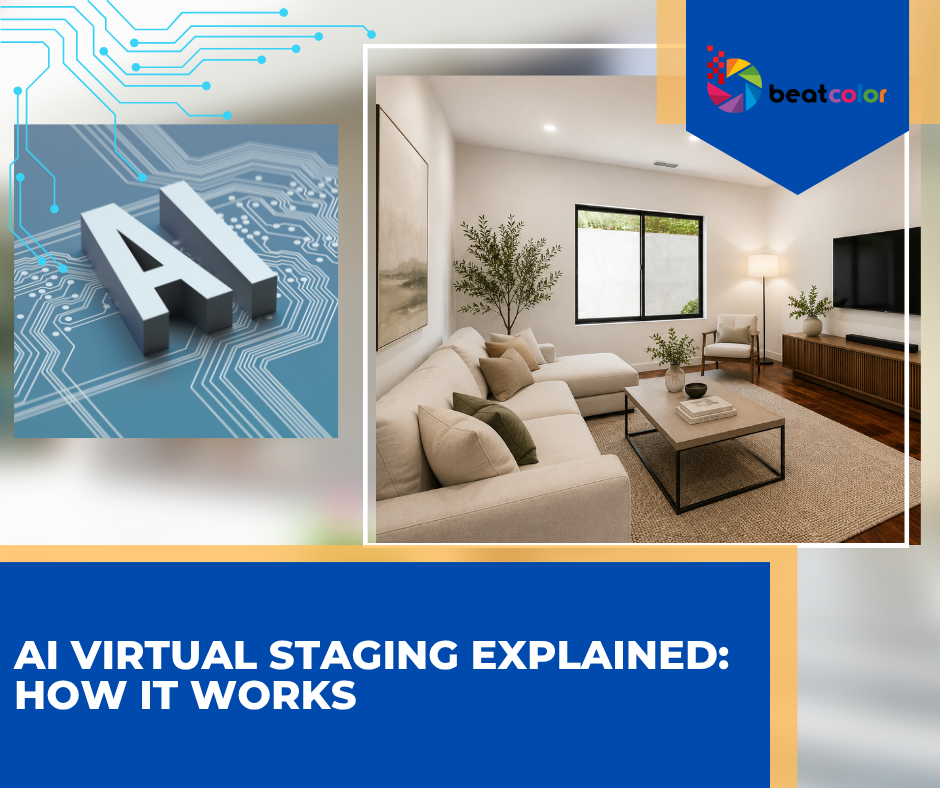
First impressions make or break a real estate listing. That’s why AI Virtual Staging has become one of the fastest-growing tools among real estate agents, homeowners, and property photographers over the past few years. Instead of spending thousands of dollars renting furniture to stage an empty home, this technology lets you “decorate” a space in just a few clicks, powered by artificial intelligence.
This article breaks down exactly what AI Virtual Staging is, how it works step by step, the real benefits it offers, and the key things to keep in mind before using it for your listings.
What Is AI Virtual Staging?
AI Virtual Staging is the process of using artificial intelligence software to automatically add furniture and decor to photos of an empty room. Unlike traditional virtual staging, which requires a graphic designer to manually edit images in Photoshop, AI Virtual Staging relies on deep learning models to analyze a room’s layout, lighting, and perspective, then generate realistic furniture placements in a matter of seconds to minutes.
The result is a photo that looks convincingly real, with furniture arranged in a natural, believable way, helping buyers visualize how a room could look and function without any physical furniture ever being moved in.
How Does AI Virtual Staging Work?
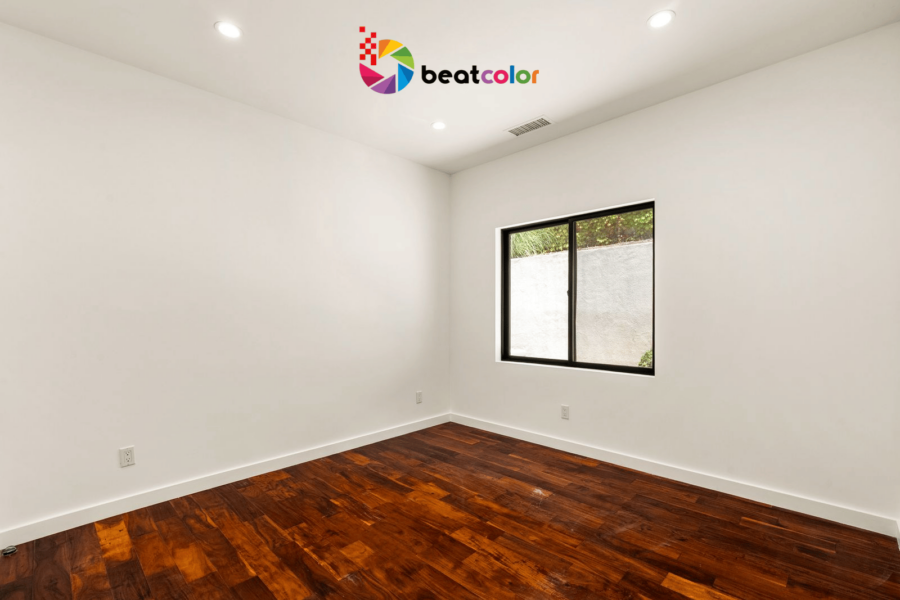
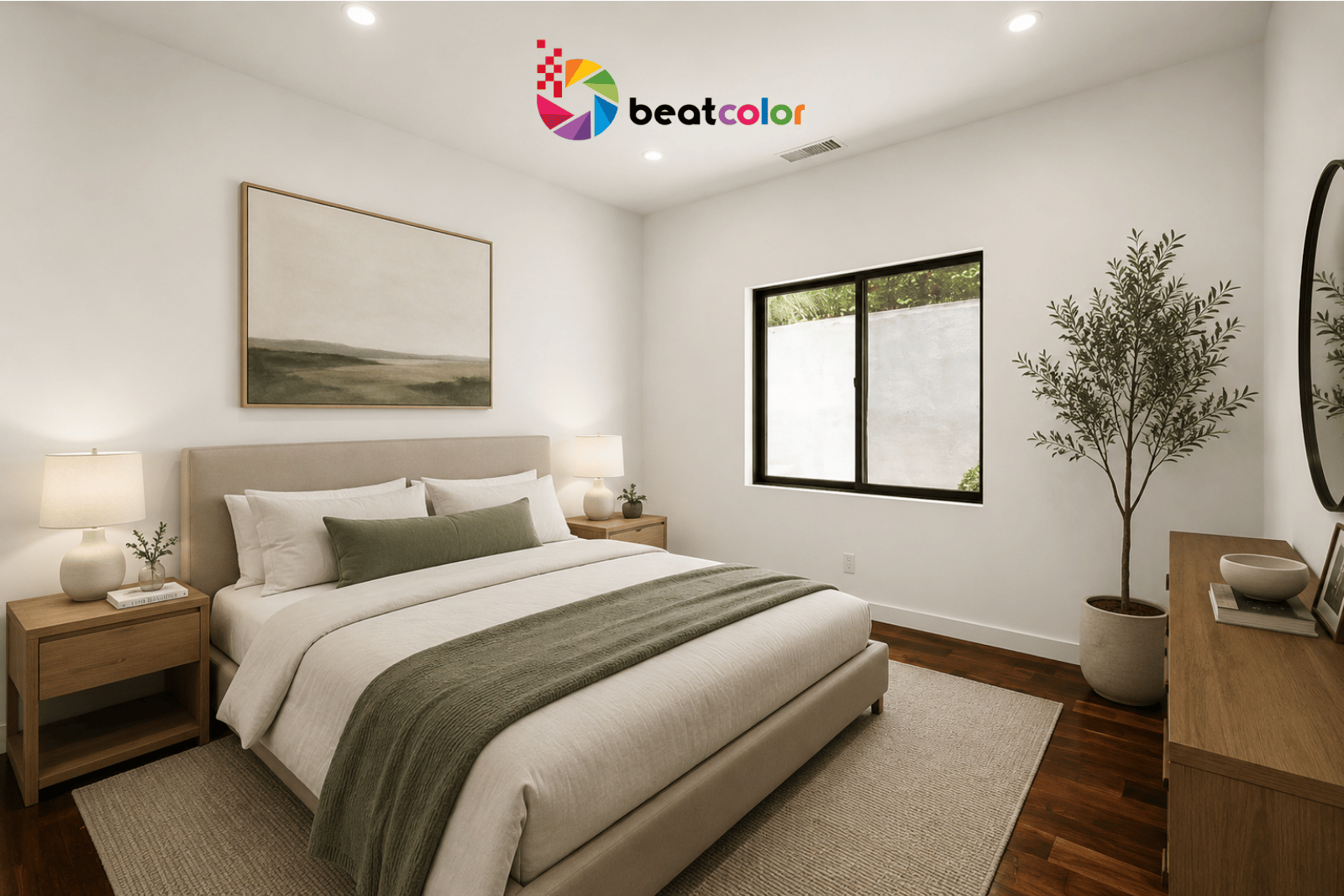
To understand how AI Virtual Staging actually works, let’s walk through the typical process from start to finish.
1. Upload the Original Photo
The process starts with a photo of the empty room, taken with a smartphone or a professional camera, uploaded to an AI Virtual Staging platform. The sharper and better-lit the original image, the more accurate and realistic the final result will be.
2. AI Analyzes the Space
The AI algorithm scans the image to identify key structural elements: room dimensions, window placement, natural light direction, ceiling height, and architectural lines. This step is essential for making sure any furniture added later fits the space with correct scale and perspective.
3. Choosing a Design Style
Most AI Virtual Staging tools let users pick a preferred design style, such as modern, minimalist, classic, Scandinavian, or industrial. The AI then automatically selects furniture pieces, color palettes, and arrangements that match the chosen aesthetic.
4. Generating Furniture with Generative AI
This is the core step. Generative AI models, typically built on diffusion models or GANs (Generative Adversarial Networks), “paint” furniture directly into the original photo. The model carefully matches lighting, shadows, and perspective so the added objects blend naturally into the space, rather than looking like a crude digital collage.
5. Refining and Exporting the Final Image
Once the AI produces an initial render, users can request further adjustments, such as changing the sofa color, adding plants, or repositioning the dining table, before exporting a high-resolution image ready to be uploaded to listing platforms.
Why Is AI Virtual Staging Gaining So Much Popularity?
Significant Cost Savings
Traditional staging, which involves renting real furniture, hiring designers, and covering delivery and setup costs, can run from several hundred to several thousand dollars per property. AI Virtual Staging, by contrast, costs only a small fee per image, making it a far more budget-friendly option for agents and homeowners managing multiple listings.
Fast Turnaround Time
While traditional staging can take days to complete, AI Virtual Staging typically delivers a finished image within minutes. This is especially valuable when listings need to go live quickly or when dozens of properties need to be staged at once.
Flexibility to Test Different Styles
With AI, you can generate multiple staging versions of the same room, from modern to classic, to see which style resonates best with your target buyers. This kind of rapid experimentation is nearly impossible with physical staging.
Higher Engagement and Conversion Rates
Industry surveys consistently show that listings featuring staged photos, whether physical or virtual, tend to attract more views and inquiries than photos of empty rooms. Buyers find it easier to picture how a space functions when they can see furniture arranged in a realistic layout.
Things to Keep in Mind Before Using AI Virtual Staging

Despite its many advantages, there are a few important considerations to be aware of:
- Transparency requirements: Many real estate markets require listings to disclose when photos have been digitally staged, in order to avoid misleading buyers.
- Quality of the original photo: Blurry, poorly lit, or badly angled source images will directly affect the quality of the final staged result.
- Not a full replacement for in-person viewings: Buyers still need to visit a property before making a decision, since AI-staged photos are meant to be illustrative rather than a guarantee of exact furnishings.
- Choosing a reliable platform: Quality varies significantly between these tools on the market, so it’s worth testing a few options before committing to one for the long term.
Conclusion
AI Virtual Staging is reshaping how the real estate industry approaches listing photography, saving time and money while still producing polished, professional-looking images. As generative AI models continue to improve, this technology is only going to become more realistic and more widely adopted as a standard tool for agents and homeowners looking to optimize how they market properties for sale or rent.
If you’re looking for a way to elevate your real estate photos without breaking your marketing budget, experimenting with AI Virtual Staging is a step well worth taking today.
Read more:
Real Estate Editing AI vs Human: Which Delivers Better Results?Can AI Real Estate Photo Editing Replace Professional Editors?
Best AI Real Estate Photo Editing Tools Compared