

Best Real Estate Photography Tips, Tools, and Services

Real estate has become increasingly competitive, and in today’s digital age, real estate photography plays a vital role in attracting potential buyers. High-quality visuals not only make properties more appealing but also help listings stand out in a crowded market.
In this blog, we will explore the best tips, essential tools, and professional services for effective real estate photography.
I. Why Real Estate Photography Matters
1. First Impressions Count
When buyers browse listings online, they often make snap judgments based on visuals. Although a property may have excellent features, poor-quality photos can reduce its appeal significantly. Therefore, investing in professional property photos can increase engagement and ultimately lead to faster sales.
2. Building Trust and Credibility
Besides attracting attention, high-quality images help establish trust with potential buyers. Crisp, clear photos show that a seller or agent is serious and professional. Furthermore, it signals that the property is well-maintained, which can influence buyer decisions.
3. Increasing Online Reach
In addition to listing platforms, social media channels are increasingly used to showcase properties. Optimized real estate photography ensures that images perform well across different platforms, boosting visibility and engagement.
II. Real Estate Photography Tips
1. Proper Lighting is Key
- Natural Light Usage: Whenever possible, shoot during the day to maximize natural light. Natural light enhances the property’s features, making rooms look brighter and more spacious.
- Artificial Lighting Adjustment: Some areas may lack sufficient daylight. In such cases, use artificial lights strategically to eliminate shadows and highlight the property’s key elements.
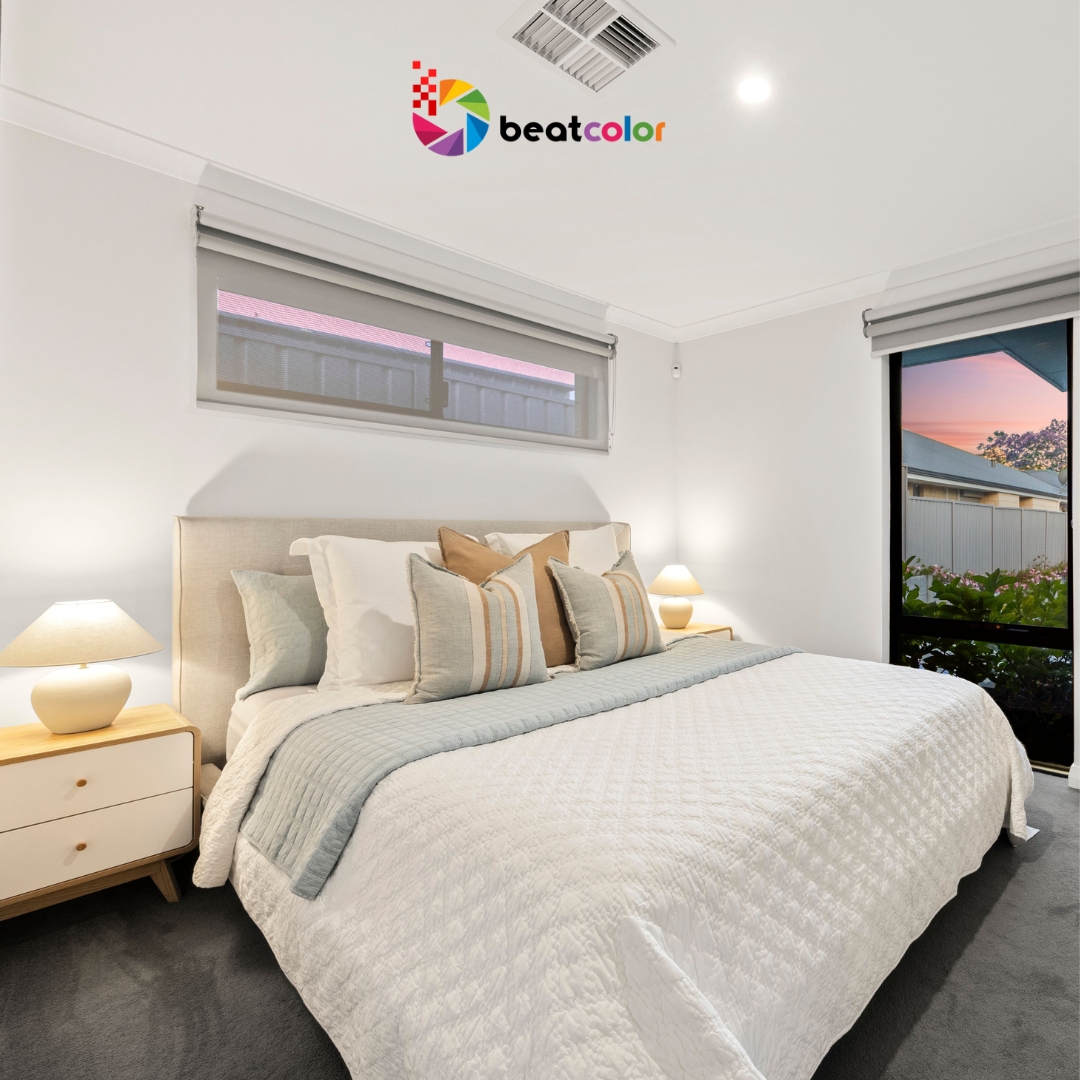

2. Composition and Angles
- Wide-Angle Lenses: Using a wide-angle lens helps capture entire rooms and makes spaces appear larger. This technique is particularly useful for small apartments or compact interiors.
- Perspective and Symmetry: Consider symmetry and perspective. Straight lines, centered furniture, and balanced composition create aesthetically pleasing images that feel professional and inviting.
3. Declutter and Stage the Property
a. Remove Personal Items
Although personal touches are important, too many personal items can distract potential buyers. Clearing clutter allows viewers to envision themselves in the space.
b. Professional Staging
Staging a home professionally can highlight key selling points, such as spacious living areas or cozy nooks. Well-staged properties consistently attract more attention in listings.
4. Editing and Post-Processing
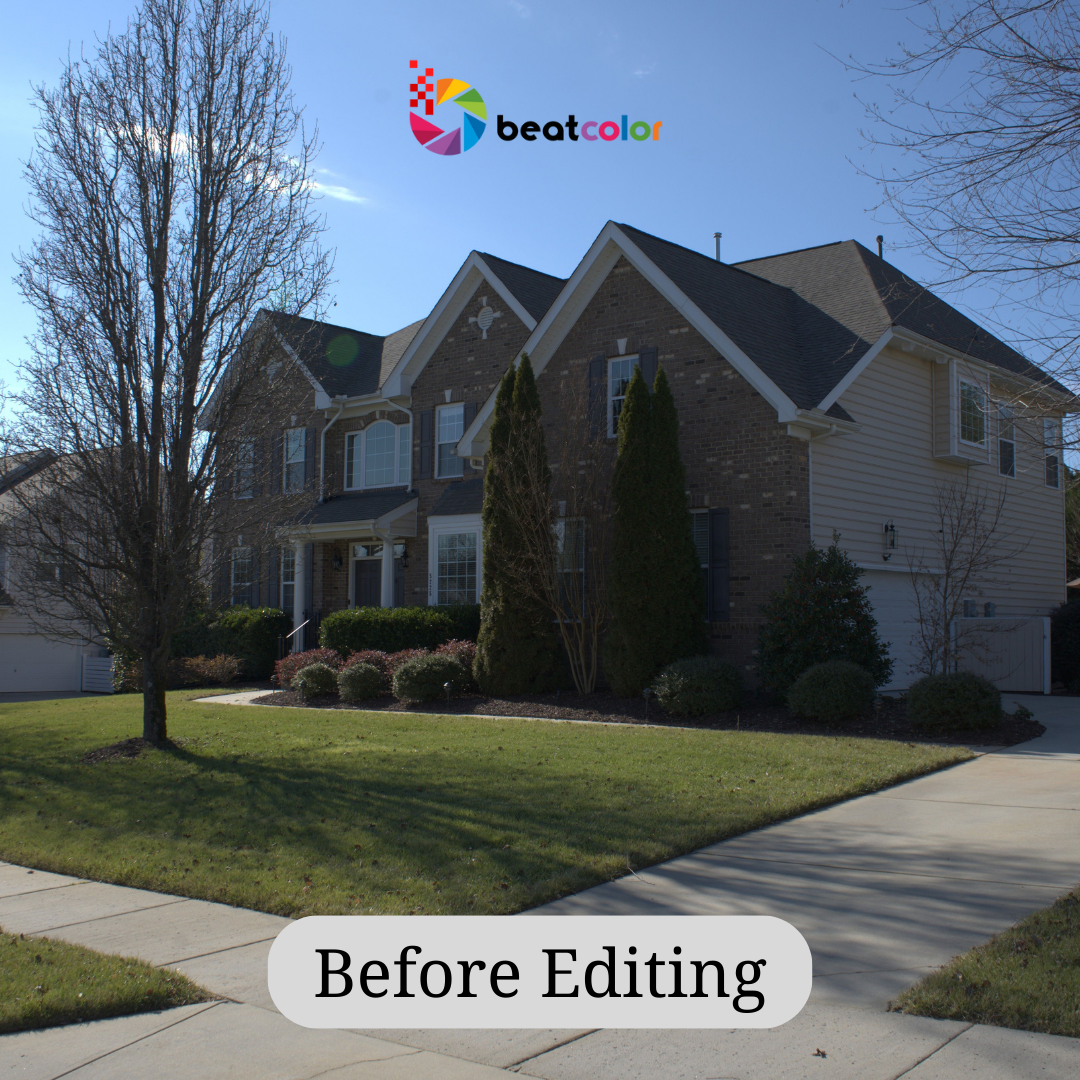
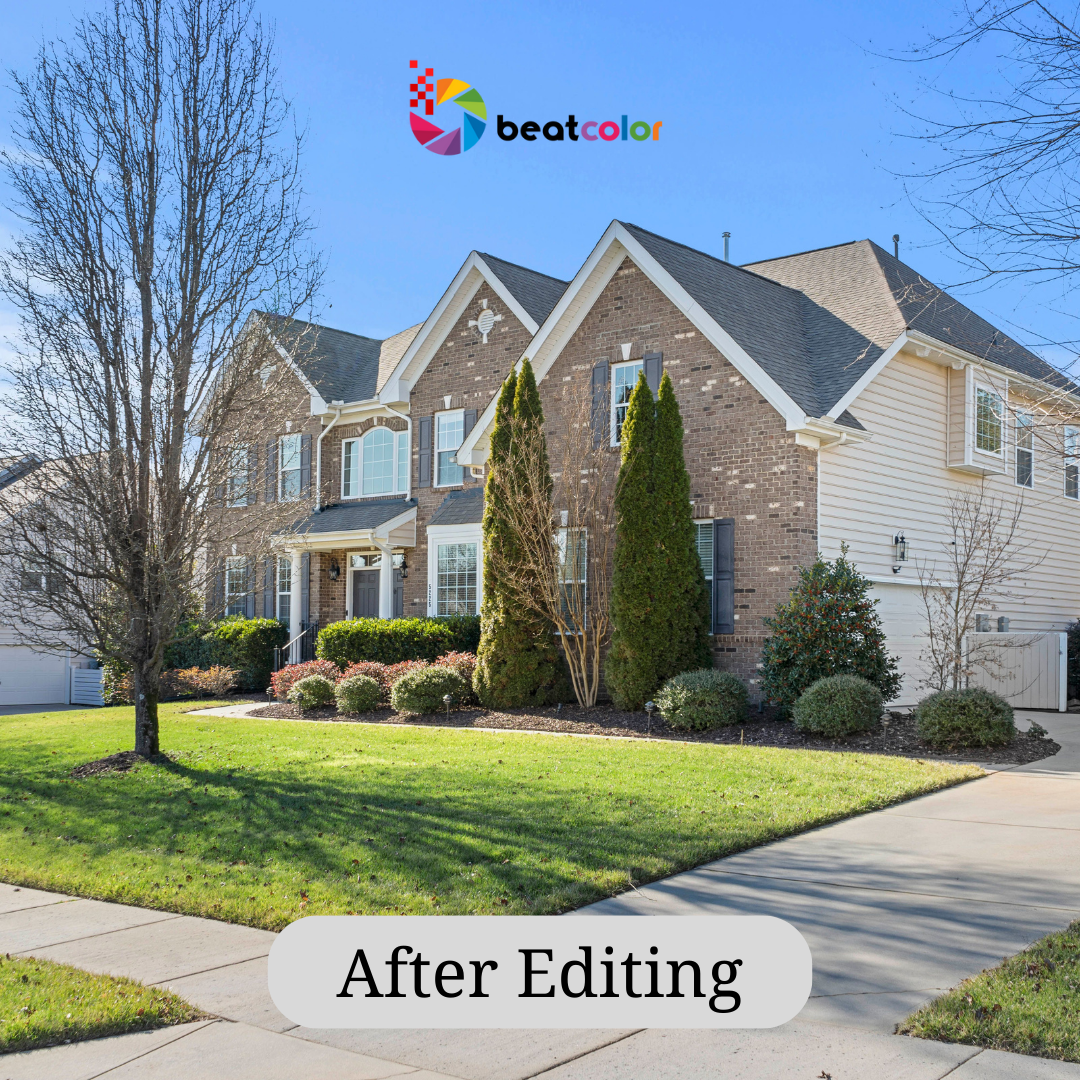
a. Color Correction and Brightness
The professional home photo editing is critical. Adjust brightness, contrast, and saturation to ensure the property looks natural yet appealing.
b. Removing Imperfections
Besides basic adjustments, remove minor imperfections, like scuffed floors or distracting objects. This ensures images are polished while still realistic.
III. Essential Tools for Property Listing Photography
1. Cameras and Lenses
a. DSLR or Mirrorless Cameras
For professional real estate photography, DSLR or mirrorless cameras are preferred over smartphones. They provide better control over focus, exposure, and depth of field, allowing rooms to appear bright and spacious. These cameras adapt well to different lighting conditions, ensuring consistent, high-quality images that make properties stand out online.
b. Wide-Angle and Tilt-Shift Lenses
Wide-angle lenses capture entire rooms, making spaces feel larger and more inviting, while tilt-shift lenses correct perspective distortion for a natural, professional look. Combining these lenses with a quality camera ensures interiors are presented accurately, highlighting key features and creating visually appealing images that attract potential buyers.
2. Tripods and Stabilizers
In real estate photography, tripods provide essential stability and consistent framing. Although handheld shooting can work, using a tripod ensures sharper images, cleaner compositions, and dependable results across various rooms, helping photographers present properties more professionally and attractively to better engage potential buyers online effectively.
Besides, gimbals greatly improve video tours. However, handheld footage often looks shaky, and using a gimbal creates smooth, steady movement that enhances the viewer experience and boosts the professionalism of virtual property tours.
3. Lighting Equipment
In real estate photos, softboxes and LED panels help supplement natural light, creating even and flattering illumination throughout a space. However, some areas may still appear dim, and reflectors can effectively bounce light into darker corners, enhancing visibility without introducing harsh artificial lighting that could distort a room’s appearance.
Read more at:
IV. Professional Real Estate Photography Services
1. Real Estate Photo Editing
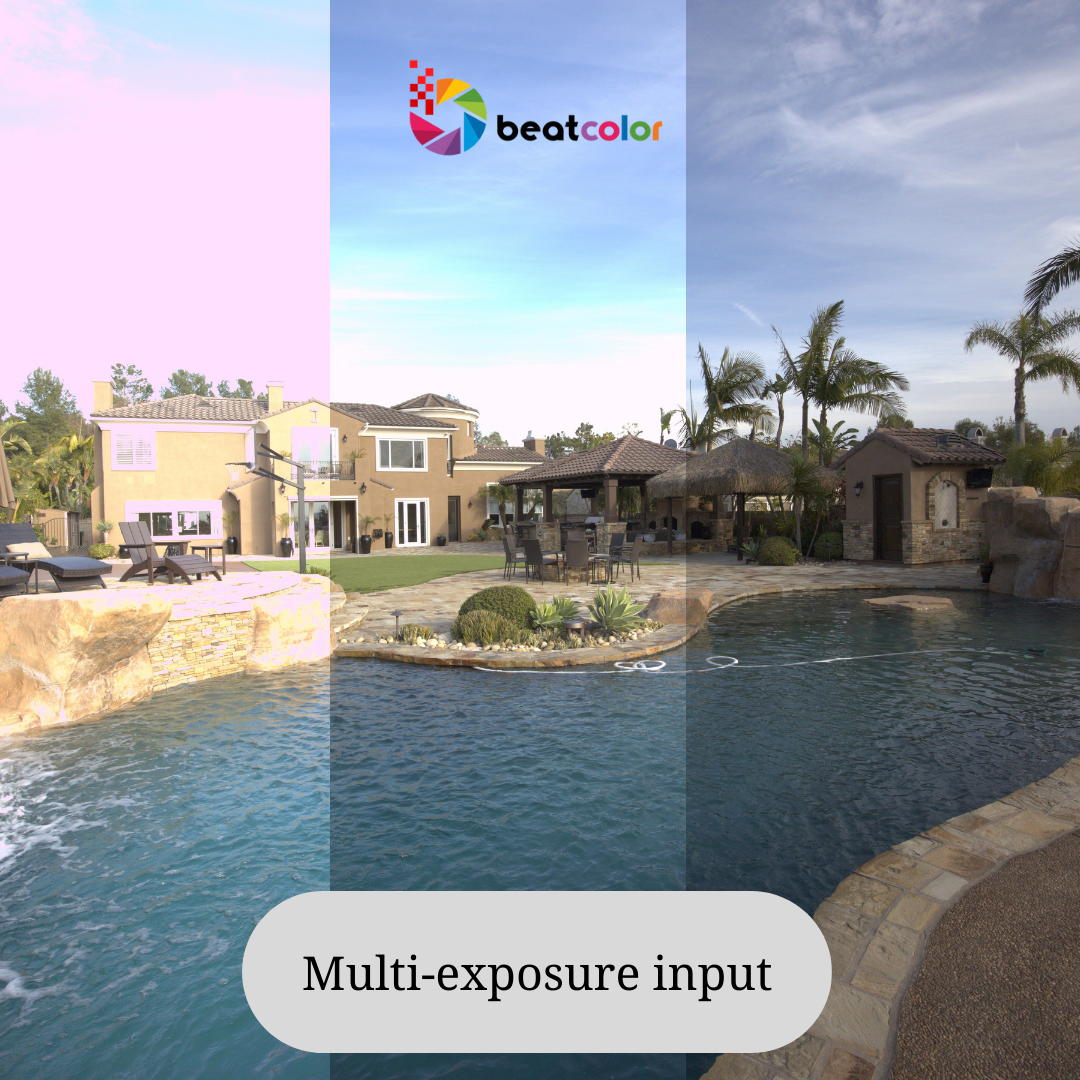
Professional real estate photography often begins with meticulous editing. Color correction, exposure adjustments, and perspective fixes ensure each image looks polished and accurate. Additionally, retouching highlights property features while maintaining realism, helping listings appear more attractive and engaging to potential buyers.

2. Virtual Services
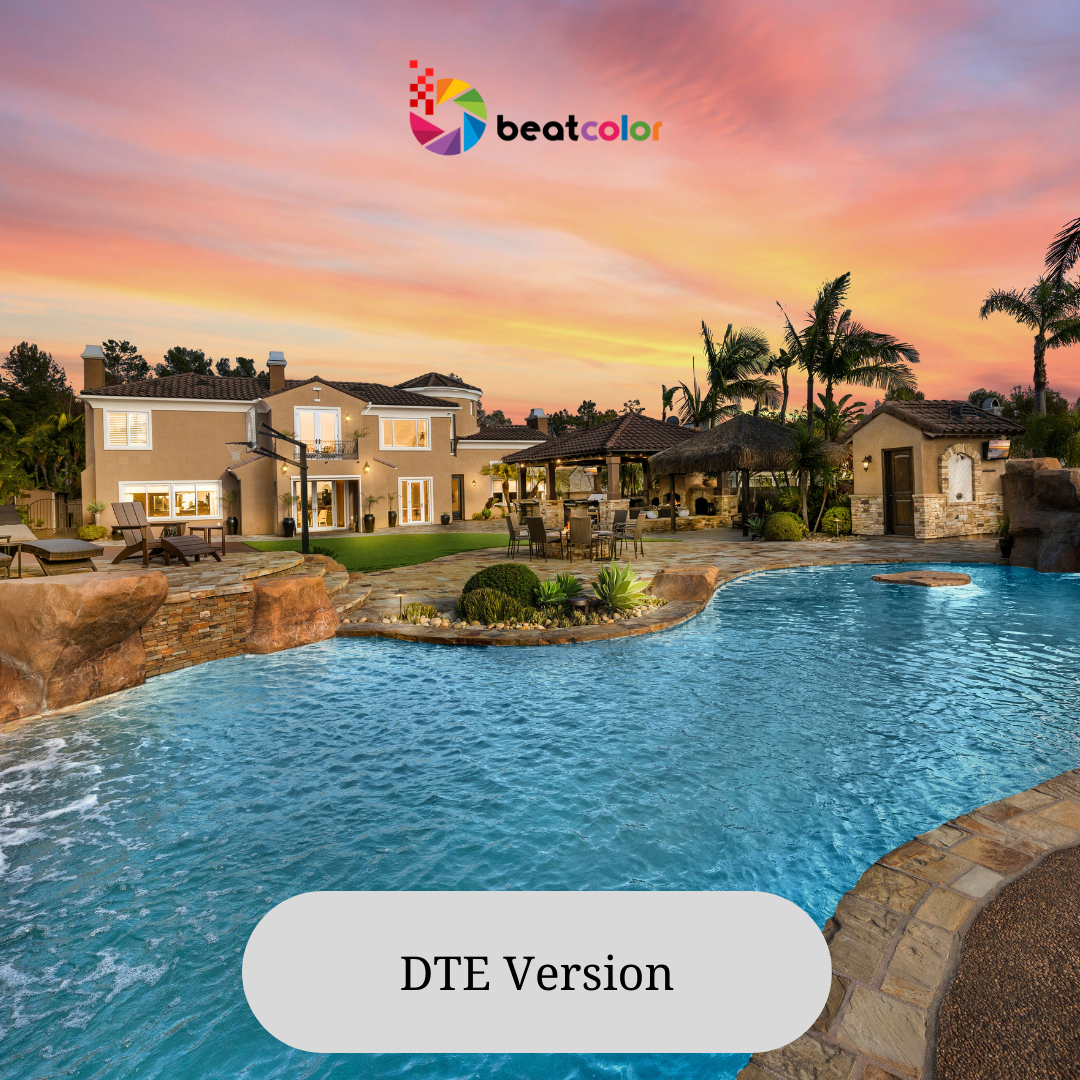
Virtual services enhance property images in creative ways. For example, summer virtual adjustments and day-to-night conversions transform photos to show different lighting conditions or seasons. These enhancements help buyers envision the property’s potential throughout the year, improving engagement and interest online.
3. 3D Services
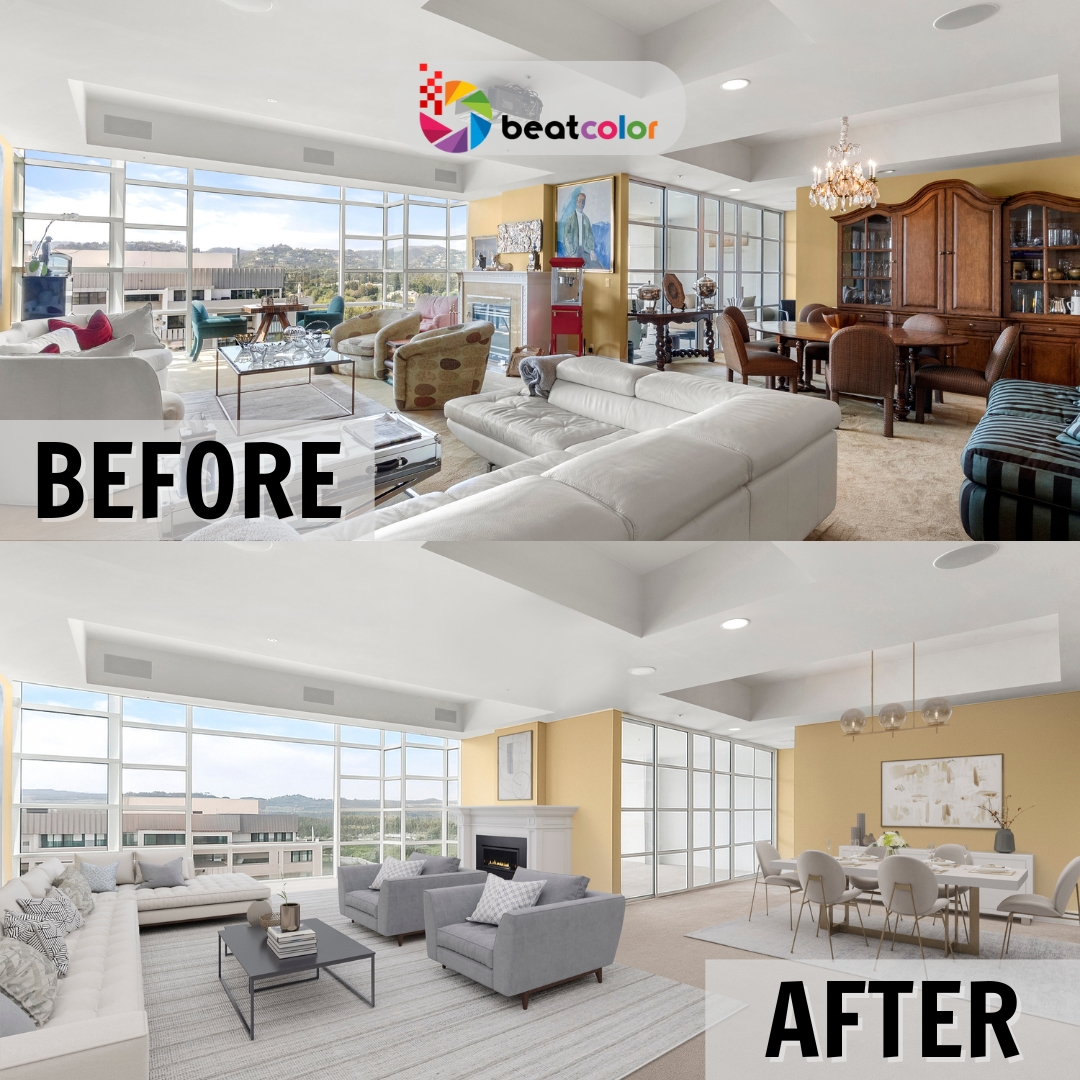
3D services take real estate photography to the next level. Virtual staging fills empty spaces with furniture, renovation previews showcase remodeling possibilities, and commercial office renderings highlight layouts. Like these tools, 3D solutions make properties more appealing and easier for buyers to visualize.
4. Video Editing
Video editing is essential for modern property marketing. From creating polished slideshows to formatting for vertical or horizontal social media, and producing standard walkthroughs, professional editing ensures every clip is smooth, engaging, and highlights key property features effectively for viewers.
Final Thoughts
In conclusion, real estate photography is more than just taking pictures. It is about creating an immersive experience that highlights the property’s best features. From proper lighting and composition to post-processing and professional services, every step plays a vital role in attracting potential buyers.
By investing in high-quality photography, real estate professionals can enhance listings, build trust, and ultimately close sales faster. Whether you choose to learn the techniques yourself or hire experts, mastering real estate photography is a key component of modern property marketing.
Read more:
Exterior Photo Editing: The New Standard for Real Estate Success in 2025
Why Virtual Twilight Still Holds Its Value in the Age of AI
Virtual Summer – Turning winter photos into summer scenes