
Virtual Staging Pricing Guide
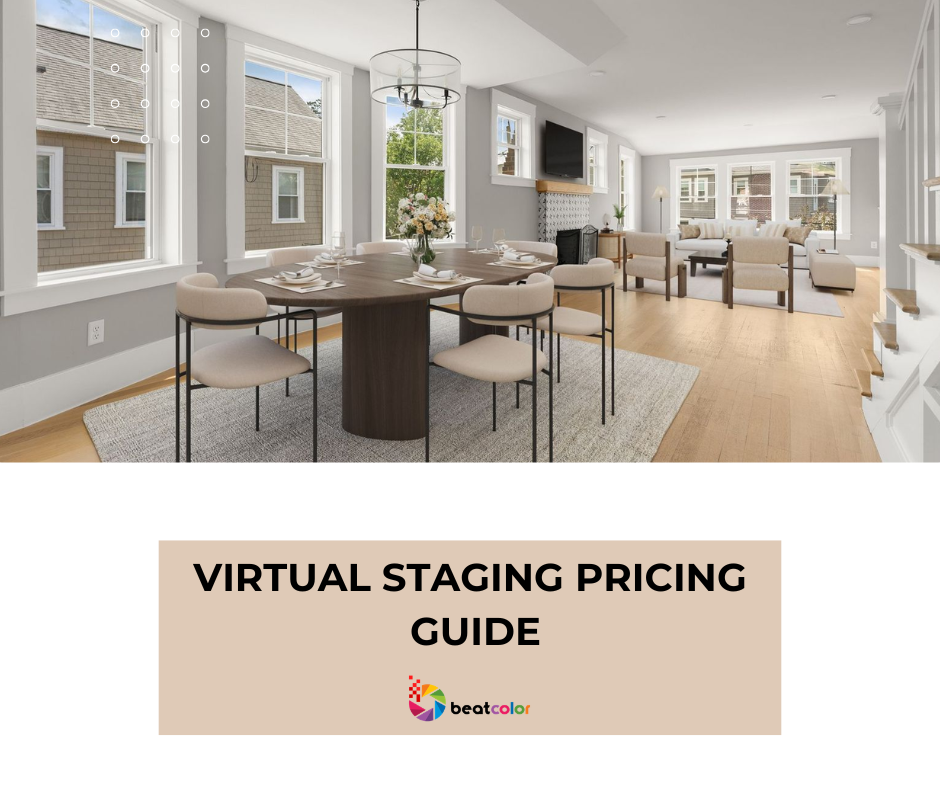
Virtual staging has changed modern real estate marketing. Buyers now expect attractive online listings before scheduling property visits. Therefore, digital presentation matters more than ever.
Meanwhile, home sellers also want affordable marketing solutions. Traditional staging often requires significant investments. However, virtual staging delivers impressive visual results for much lower costs.
This Virtual Staging Pricing Guide explains current pricing models, influencing factors, industry trends, and practical recommendations. Consequently, you can choose the best solution for your property and budget.
Why Virtual Staging Continues Growing
The real estate market remains highly competitive. Consequently, first impressions often determine buyer interest.
Most buyers begin searching online before contacting an agent.
Therefore, listing photos directly influence click-through rates and viewing appointments.
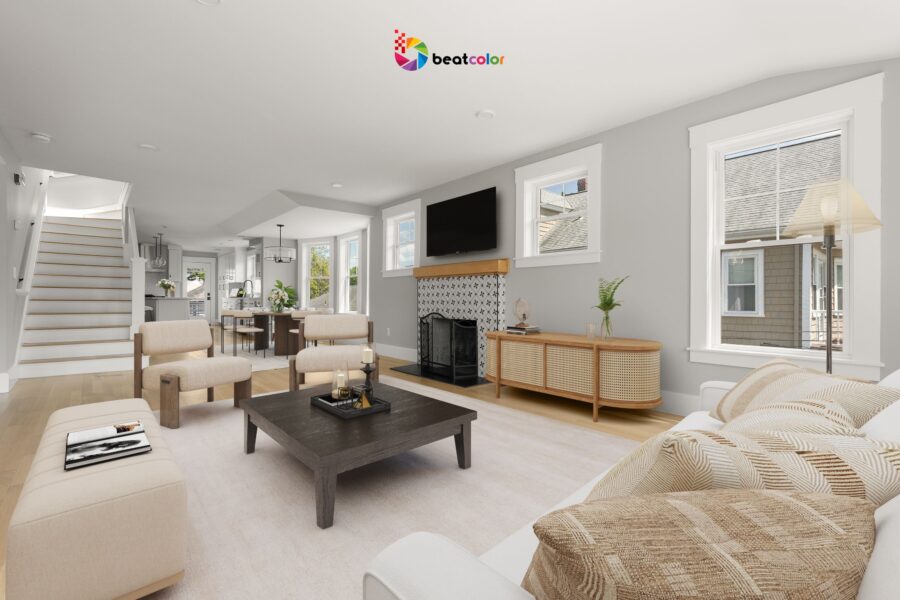
Virtual staging helps empty properties appear warm and welcoming. Moreover, furnished rooms help buyers understand room sizes and furniture placement.
This emotional connection often encourages longer viewing times and stronger purchase interest.
Additionally, virtual staging supports remote buyers who cannot visit immediately.
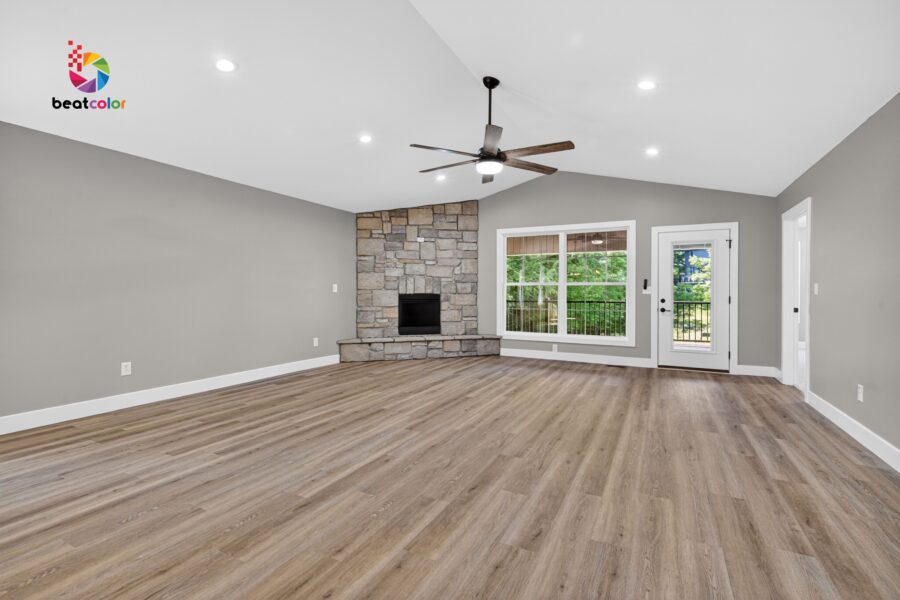
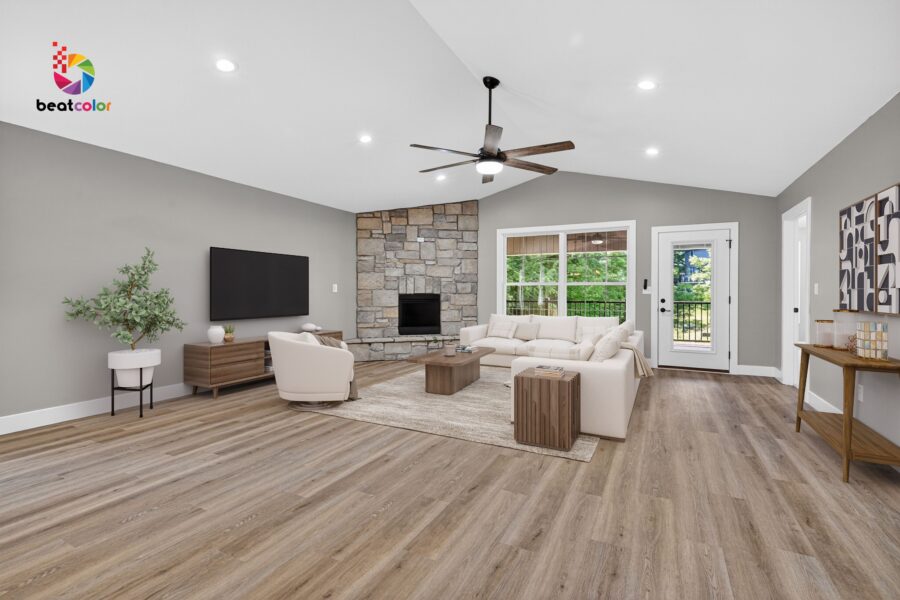
Source: BeatColor
Average Virtual Staging Pricing in 2026
Pricing varies depending on image complexity, turnaround speed, and customization. However, most providers follow similar pricing structures.
Basic Virtual Staging
Typical pricing ranges from $15 to $35 per image. This option usually includes standard furniture collections.
Furthermore, delivery often takes one or two business days.
Premium Virtual Staging
Premium services generally cost $40 to $75 per image. These packages include custom furniture selections and designer-level styling.
Additionally, premium editing creates highly realistic lighting and shadows.
Luxury Custom Projects
Luxury homes often require personalized staging concepts. Therefore, prices usually range from $80 to $150 per image.
These projects frequently include architectural consultation and detailed revisions.
What Influences Virtual Staging Pricing?
Several important factors determine the final cost.
Number of Images
Most companies reduce prices for larger orders. Consequently, staging twenty images usually costs less per image than staging five.
Room Condition and Retouching Requirements
The condition of the original room can affect virtual staging pricing.If a room needs additional retouching before staging, the overall cost may increase.
For example, editors may remove existing furniture, repair wall imperfections, replace flooring, or improve lighting.
These extra editing tasks require additional time and expertise. Therefore, rooms requiring extensive photo retouching usually cost more than rooms ready for staging.
Furniture Style
Standard furniture libraries remain affordable. However, luxury furniture collections increase production costs.
Custom branding also raises pricing.
Revision Requests
Many companies include one revision. Additional edits may require extra fees.
Therefore, reviewing instructions carefully saves both time and money.
Virtual Staging Versus Traditional Staging
Traditional staging requires physical furniture rental. Professional movers also transport every item.
Furthermore, decorators spend hours arranging each room. Consequently, costs quickly increase.
Virtual staging eliminates transportation expenses completely. There is also no furniture storage or damage risk.
Moreover, digital staging finishes much faster. The comparison becomes even clearer.
| Feature | Virtual Staging | Traditional Staging |
| Average Cost | Low | High |
| Delivery Time | Normally 24h | Several days |
| Furniture Rental | No | Yes |
| Moving Required | No | Yes |
| Design Flexibility | Excellent | Moderate |
| Revision Cost | Usually low | Usually expensive |
Therefore, virtual staging delivers excellent value for many residential listings.
Is Cheap Virtual Staging Worth It?
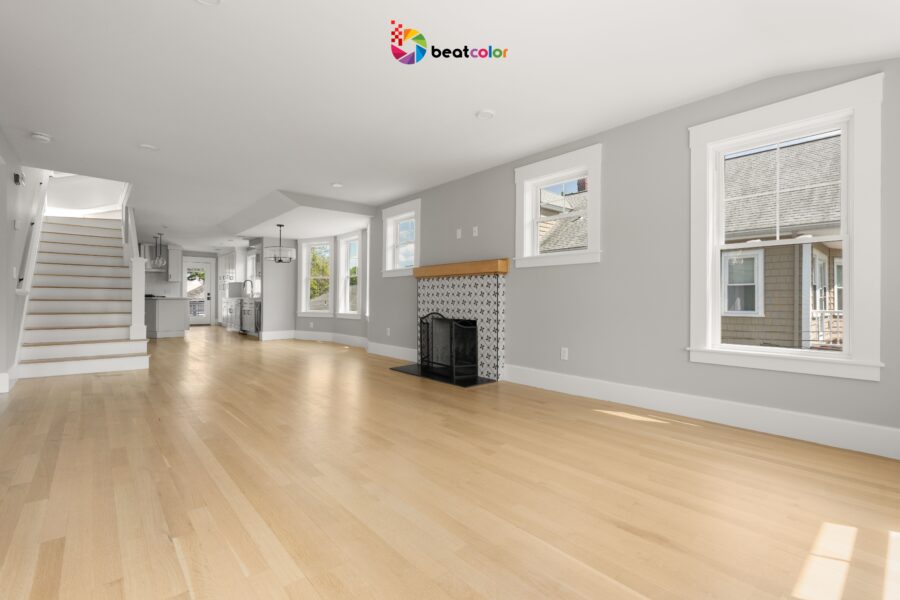
Not always. Very low prices sometimes produce unrealistic images. Poor editing may include incorrect shadows, floating furniture, or distorted proportions.
Consequently, buyers may lose trust. Instead, compare portfolios before choosing a provider.
Look for realistic lighting, natural furniture placement, and consistent image quality. Additionally, check revision policies before ordering.
Paying slightly more often delivers stronger marketing results.
How AI Is Changing Virtual Staging
Artificial intelligence continues to improve virtual staging workflows. Today, AI can recommend furniture layouts within minutes.
It also accelerates object recognition and room segmentation. However, professional designers remain essential.
Human designers understand buyer psychology and interior balance. They also correct mistakes generated by automated systems.
Therefore, many companies combine AI efficiency with expert designers. This hybrid approach delivers both speed and realism.
How to Choose the Right Virtual Staging Company
Many providers appear similar initially. Nevertheless, important differences exist.
Consider these evaluation points.
- Review previous project portfolios carefully.
- Compare image realism instead of only pricing.
- Confirm revision policies before purchasing.
- Check turnaround times.
- Read verified customer reviews.
- Ask about commercial usage rights.
- Request sample work whenever possible.
Following these steps reduces unnecessary risks. Furthermore, better research often leads to better marketing performance.
Tips for Maximizing Your Investment
Professional photography always comes first. Virtual staging cannot completely fix poor original images.
Therefore, use high-resolution photographs. Next, stage only important rooms.
Living rooms, kitchens, and primary bedrooms usually attract the most attention. Additionally, maintain consistent interior styles.
Mixing modern and traditional furniture often creates visual confusion. Moreover, avoid excessive decoration.
Minimal yet inviting spaces generally appeal to wider audiences. Finally, disclose that images are virtually staged whenever required by local regulations.
Transparency builds buyer confidence.
Future Pricing Trends
Virtual staging continues becoming more accessible. AI automation lowers production costs. Meanwhile, buyer expectations continue increasing.
Consequently, providers invest more in realistic rendering technology. Subscription pricing is also becoming more common.
Real estate agencies with frequent listings benefit from monthly plans. Additionally, customization will remain a premium service.
Luxury marketing increasingly demands personalized visual storytelling.
Final Thoughts
Virtual staging remains one of real estate’s smartest marketing investments. It combines affordability, speed, and professional presentation.
Furthermore, buyers increasingly expect visually engaging online listings. Choosing the cheapest service rarely produces the best outcome.
Instead, prioritize image quality, realistic design, and responsive customer support. With careful planning, virtual staging delivers exceptional value.
Ultimately, this approach helps properties attract attention faster. It also supports stronger buyer engagement in today’s digital-first housing market.
As technology advances, virtual staging will become even more powerful.
Therefore, understanding pricing today helps you make smarter marketing decisions tomorrow.
Common Questions About Virtual Staging Pricing
Is pricing based on rooms or images?
Most companies charge per completed image. However, some agencies offer bundled packages.
Can occupied homes be virtually staged?
Yes. Editors can remove existing furniture before adding new designs.
Are revisions included?
Many providers include one free revision. Premium packages often include additional changes.
Does virtual staging increase property value?
Virtual staging does not directly increase market value. However, stronger presentation may generate greater buyer interest.
More competition sometimes supports stronger selling prices.
Read more:
Virtual Staging Services: The Complete Guide for Realtors
Real Estate Photography Mistakes That Cost You Listings
Luxury Real Estate Photo Editing for High-End Listings