
Top Tips for Successful Property Photography
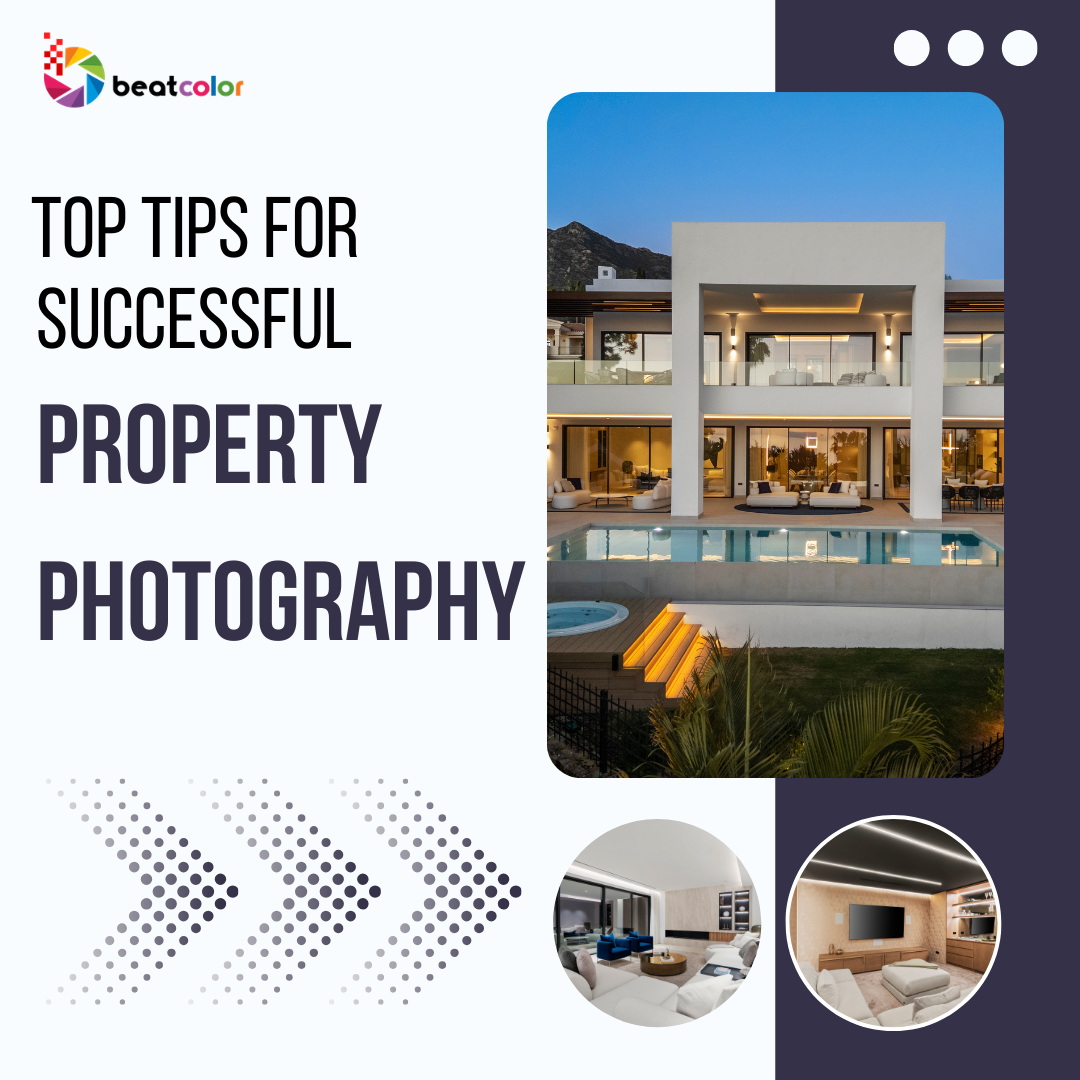
Property photography has become essential for modern real estate marketing. Most buyers and travelers explore properties online before making decisions.
Images create the first impression within seconds. Therefore, strong visuals immediately influence interest and engagement.
Recent industry research confirms the impact of professional photography. Listings with high-quality images receive up to 60% more online views.
Furthermore, well-photographed properties generate significantly higher booking rates in the holiday rental market. These results highlight the value of thoughtful property photography.
However, successful images require more than pressing the camera button. Preparation, composition, lighting, and editing all contribute to effective results.
Professional photographers focus on telling a visual story about the property. They highlight space, comfort, and functionality through carefully planned photographs.
The following tips explain how to capture compelling property photography for real estate or holiday rentals.
The Criteria for Great Holiday Let Photography
Home Staging and Furnishing
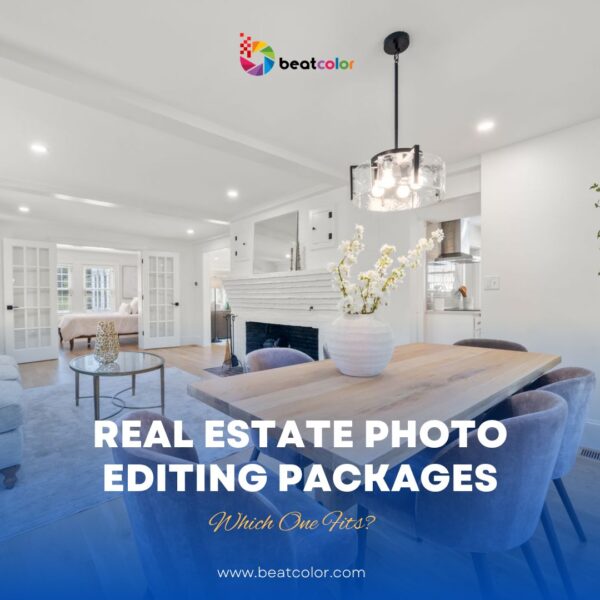
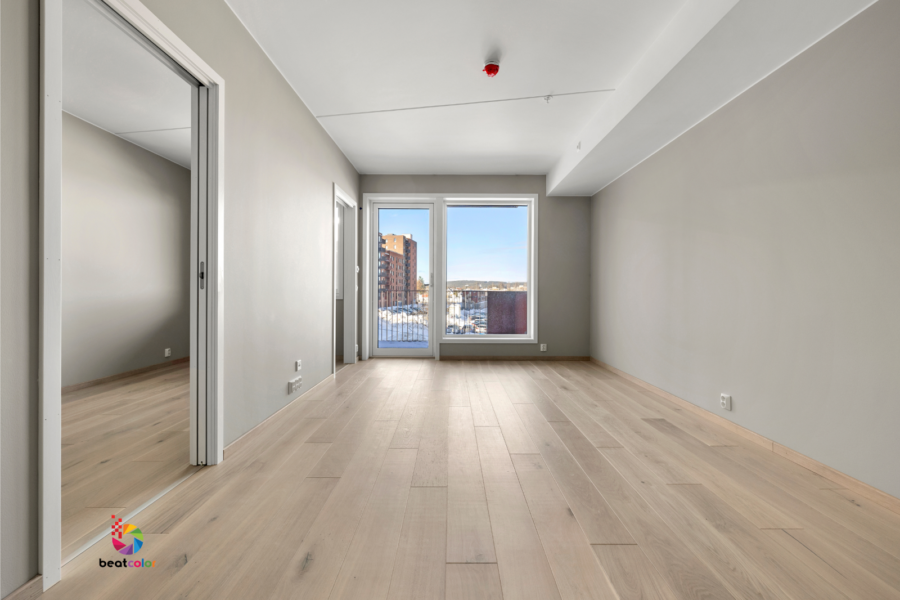
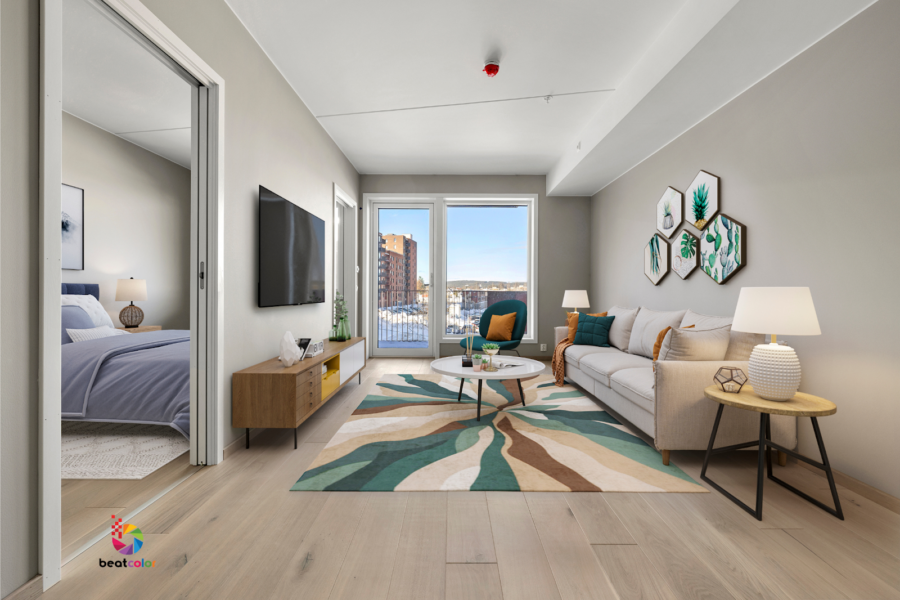
Before taking photographs, the property must look clean and organized. Home staging helps present the space in its best condition.
First, remove unnecessary objects from tables, countertops, and floors. Clutter often makes rooms appear smaller and less inviting.
Next, arrange furniture to show how the space functions. For example, a reading chair beside a window suggests relaxation.
Neutral color palettes usually perform better in property photography. They create a calm environment that appeals to many viewers.
Soft furnishings can add warmth to the scene. Cushions, blankets, and indoor plants improve the visual balance.
However, decoration should remain minimal. Too many objects distract viewers from the actual room. If you don’t feel comfortable doing it yourself, professional home stagers like BeatColor can help. This is a firm that specializes in bringing out the best in your property and is an expert in décor and restoration.
Staging ultimately helps potential guests imagine themselves staying in the property.
Choosing Your Angles
Angles play a critical role in how viewers perceive a room. A poor angle can make even a large room appear cramped.
Most property photographers position the camera at chest height. This perspective shows furniture naturally and maintains realistic proportions.
Shooting from corners usually provides the best coverage. Corners allow the camera to capture more walls and spatial depth.
Wide-angle lenses are commonly used in property photography. They help include more of the room within the frame.
However, extremely wide lenses may distort furniture shapes. Balanced composition always looks more professional.
Photographers should also keep vertical lines straight. Crooked walls immediately reduce image quality.
Well-chosen angles help viewers understand the layout quickly.
The Decor
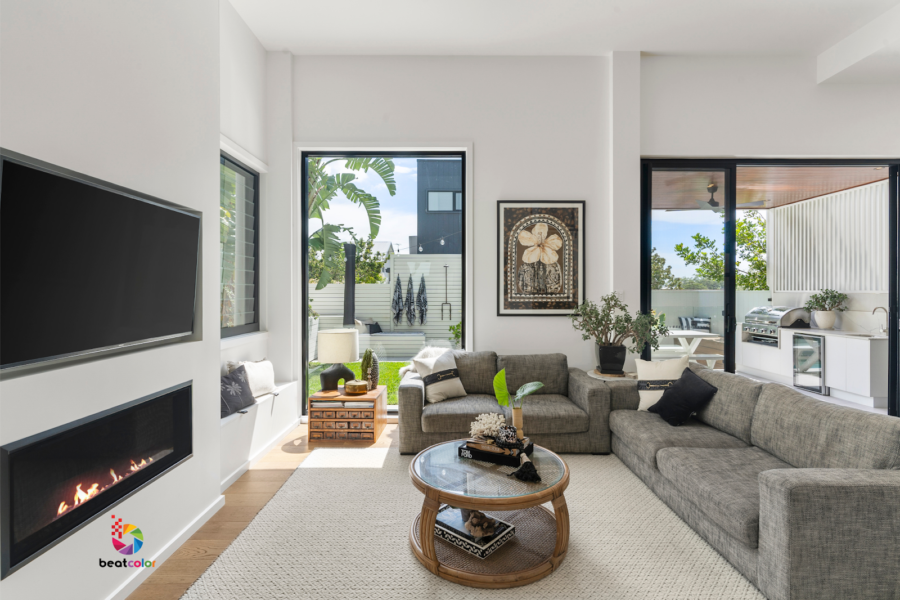
Decor helps communicate the atmosphere of a property. It can transform a plain space into a welcoming environment.
Simple decorative elements often work best. For example, flowers or fruit bowls introduce subtle color.
In bedrooms, carefully folded blankets add comfort to photographs. Meanwhile, neatly arranged pillows create a hotel-like feel.
Seasonal decoration can also enhance property photography. Warm lighting and cozy textures suit winter rentals.
Bright textiles and outdoor furniture suit summer properties. These small touches help images feel relevant and lively.
Nevertheless, decor should never dominate the photograph. The room itself must remain the main focus.
Balanced decoration supports the visual story without overwhelming it.
Quality and Resolution of Real Estate Photographs
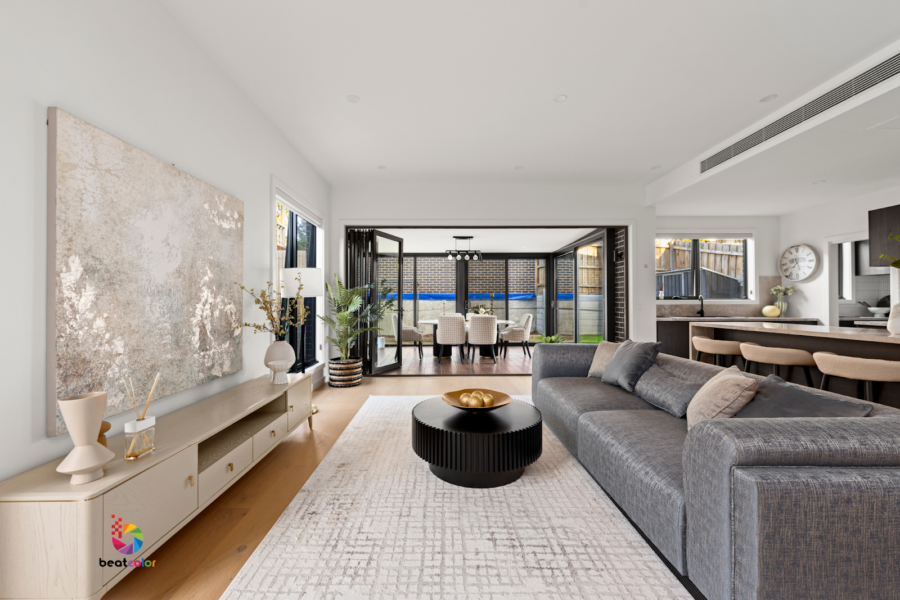
Image clarity strongly affects viewer perception. Blurry or low-resolution images reduce credibility instantly.
Modern property listings require high-resolution photography. Sharp images allow viewers to examine important details.
Most professionals recommend images larger than 2000 pixels wide. This resolution ensures compatibility with listing platforms.
Sharp photographs also highlight textures and materials. Wood floors, marble counters, and fabrics become more noticeable.
High-quality images often increase the perceived value of a property. Consequently, buyers feel more confident exploring the listing.
Using a good camera is helpful. However, proper technique remains even more important.
Stable shooting and correct exposure settings greatly improve photo quality.
Light and the Right Time to Shoot
Lighting defines the mood of every photograph. Therefore, photographers must carefully plan shooting times.
Natural daylight usually produces the most attractive results. Sunlight creates soft shadows and realistic colors.
Mid-morning and late afternoon offer the best lighting conditions. During these periods, sunlight appears softer and warmer.
Harsh midday sunlight often causes strong shadows. It may also wash out important details.
Photographers should open curtains and blinds before shooting interiors. This step allows natural light to fill the room.
Artificial lights can support natural lighting when necessary. However, mixing different color temperatures should be avoided.
Balanced lighting helps rooms appear bright, spacious, and comfortable.
Tips for Good Property Photographs
Use a Tripod
A tripod is one of the most valuable tools in property photography. It keeps the camera stable during shooting. Stable cameras produce sharper images. They also allow photographers to use slower shutter speeds. This technique helps capture more light in darker interiors. As a result, images appear brighter and clearer.
Tripods also maintain consistent framing between shots. Consistency improves the overall look of photo galleries.
Additionally, tripods support advanced techniques like exposure blending. These methods improve detail in shadows and highlights.
Therefore, a tripod significantly enhances image quality.
Taking Exterior Shots
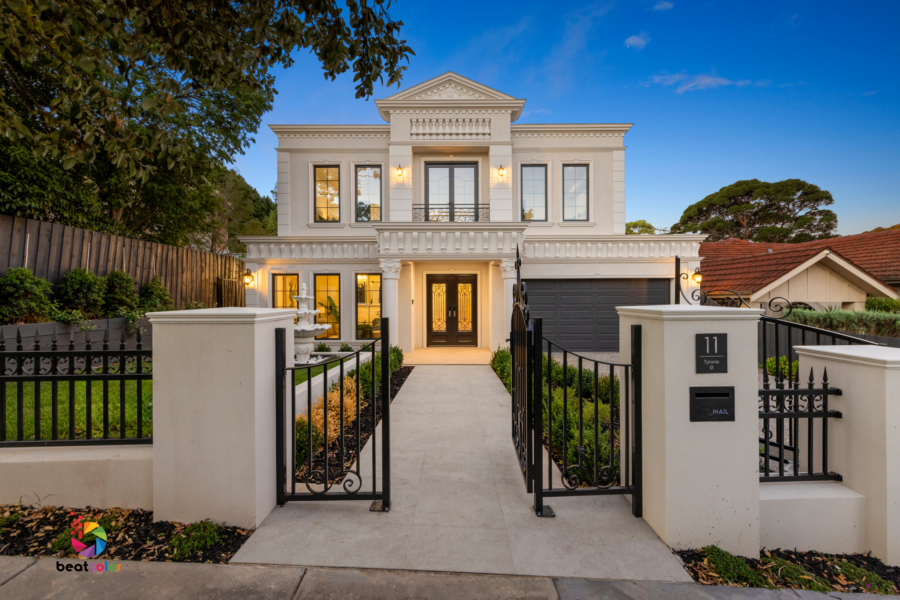
Exterior photos introduce the property to viewers. Consequently, they must create a strong first impression.
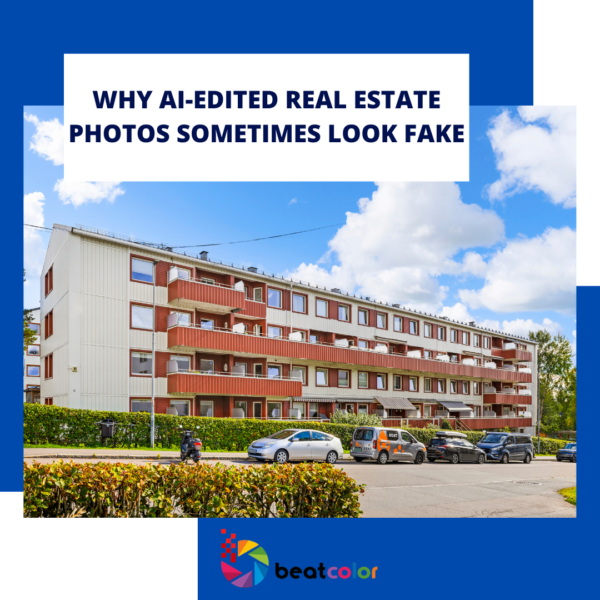
Begin by preparing the outdoor space carefully. Remove cars, trash bins, or distracting objects.
Gardens and terraces should appear clean and well maintained. Green plants often improve visual appeal dramatically.
Weather conditions also affect exterior photographs. Bright skies usually create the most attractive images.
Recently, drone photography has become popular in real estate marketing. Aerial views reveal location, surroundings, and landscape features.
However, ground-level photos remain essential. They show entrance areas and architectural details clearly.
Combining both perspectives creates a more complete visual story.
Editing Your Photographs
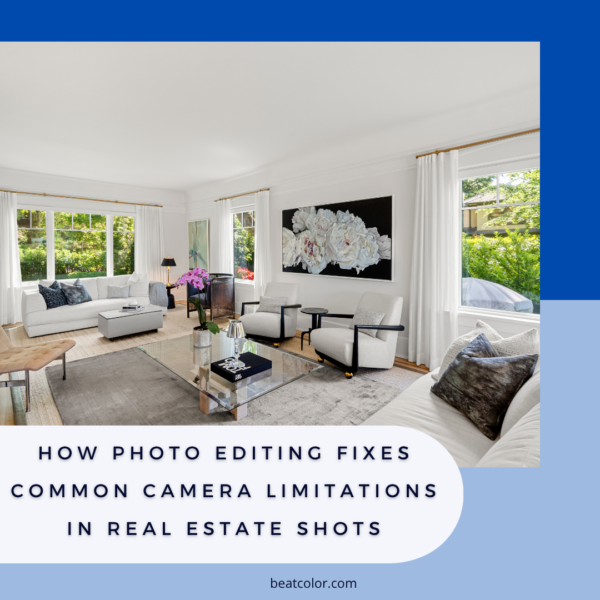
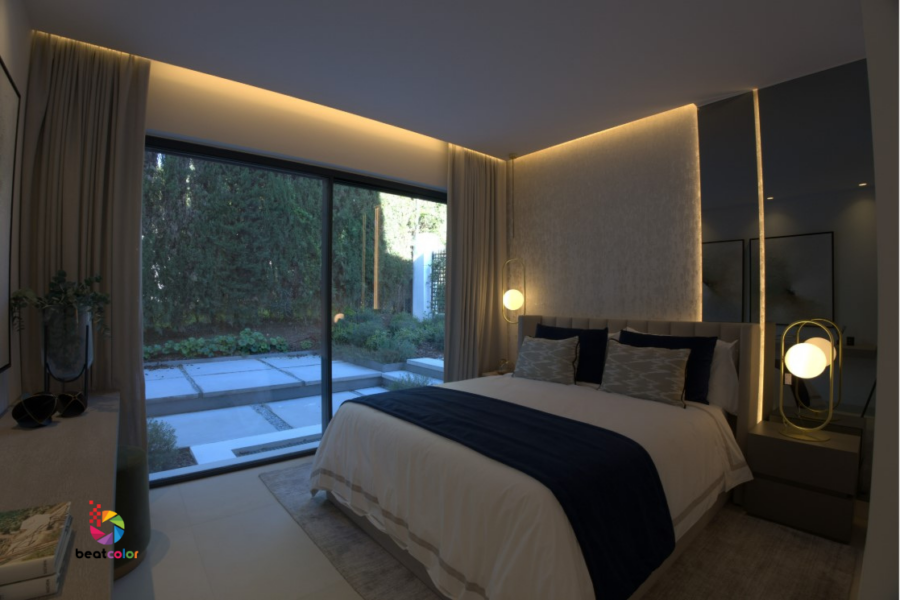
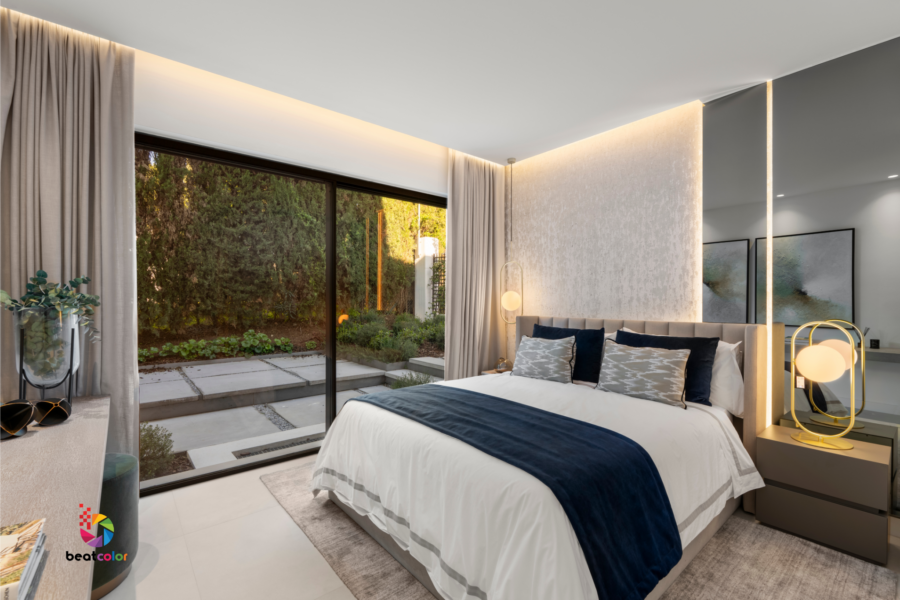
Editing is an important step in property photography. However, editing should improve realism rather than exaggerate it.
Basic adjustments include exposure correction and color balancing. These edits ensure consistent brightness across all images.
Perspective correction is also useful. It straightens vertical lines and prevents leaning walls.
Professional editing may also improve window brightness. Clear windows allow viewers to see outdoor views better.
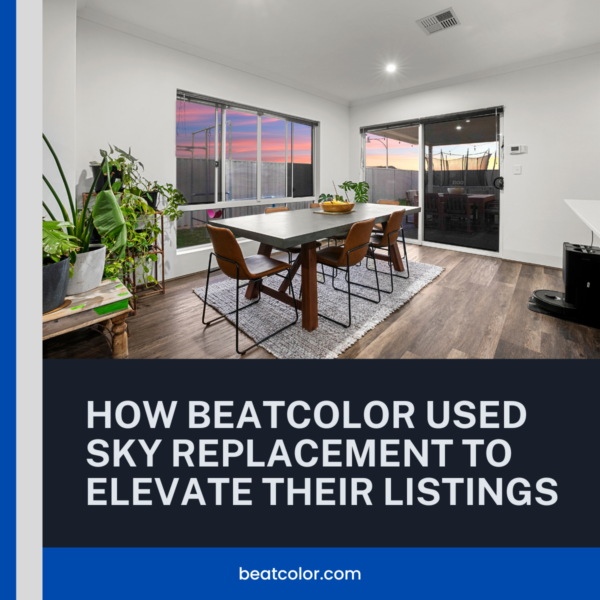
Some photographers enhance skies for exterior photographs. This technique creates a more appealing atmosphere.
Nevertheless, honesty must remain the priority. Images should always represent the real property accurately.
Editing should refine images without misleading potential buyers.
Taking Horizontal Images
Horizontal photographs remain the standard for property listings. Most websites display images in landscape orientation.
Landscape photos capture wider areas of each room. Therefore, they communicate in space more effectively.
Horizontal composition also improves visual flow between images. Viewers can easily compare different rooms.
Vertical photographs still work well for social media platforms. However, listing galleries typically prefer horizontal images.
Capturing rooms horizontally ensures better compatibility across marketing platforms.
Final Thoughts
Successful property photography combines preparation, technique, and creativity. Every detail contributes to the final visual impression.
Staging improves presentation before the camera begins shooting. Angles and lighting then reveal the property’s strengths.
High-resolution images and thoughtful editing refine the final results. Together, these elements create compelling real estate photographs.
When applied correctly, these techniques transform simple photos into powerful marketing tools. Ultimately, strong property photography attracts attention and increases booking or selling potential.
Related post:
Real Estate Video Editing vs Photography: Which Converts Better in 2026?
Trends for Real Estate Photo Editing in 2026
Interior Virtual Staging for Real Estate: Turning Empty Rooms into Buyer Magnets