
HDR Real Estate Photo Editing: Complete Beginner’s Guide

HDR Real Estate Photo Editing helps photographers create balanced and attractive property images. It has become a standard technique in modern real estate photography.
Walk into any property listing today, and you will notice bright interiors and clear window views. Those impressive images rarely come straight from the camera.
Instead, they often result from HDR editing techniques. This process combines multiple exposures into one polished image.
For beginners, HDR may seem complicated at first. However, the basics are easier to understand than many people expect.
This guide explains HDR real estate photo editing in simple terms. Moreover, it covers the tools, benefits, and best practices beginners should know.
What Is HDR Real Estate Photo Editing?
HDR stands for High Dynamic Range.
In photography, dynamic range refers to the difference between bright and dark areas within a scene.
Real estate interiors often present a challenge. Rooms may appear dark while windows look extremely bright.
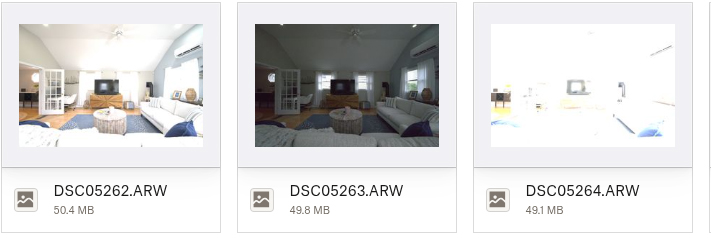
A single photo usually cannot capture both areas perfectly. Therefore, photographers take several images at different exposure levels.
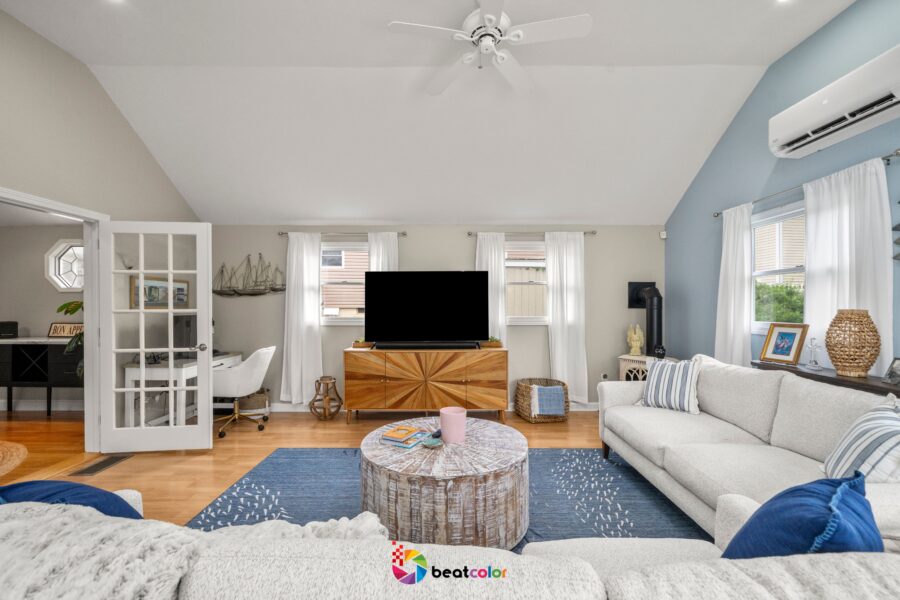
One image captures shadows. Another captures midtones. A third captures highlights. These images are then blended together during editing. As a result, the final photo displays balanced lighting throughout the scene.
Why HDR Is Important in Real Estate Photography
Property buyers expect clear and professional images. Most buyers begin their search online. Therefore, photos create the first impression.
Dark interiors can make rooms feel smaller. Meanwhile, overexposed windows can look distracting.
HDR editing solves both problems. It reveals room details while preserving outdoor views. Additionally, HDR images appear more natural than heavily edited photos. Because of this balance, many real estate photographers prefer HDR workflows.
How HDR Photography Works
HDR photography starts during the photo shoot. Instead of taking one image, photographers capture multiple exposures.
Typically, three to five exposures are enough.
For example:
- One underexposed image
- One correctly exposed image
- One overexposed image
Each image captures different lighting information. Later, editing software combines these exposures. The software selects the best details from each photo.
Consequently, the final image looks balanced and realistic.
Essential Equipment for HDR Photography
Beginners do not need expensive equipment to start. However, certain tools make HDR photography easier.
Camera with Bracketing Function
Most modern cameras include exposure bracketing. This feature automatically captures multiple exposures. Therefore, photographers save time during shooting.
Sturdy Tripod
HDR requires several images of the same scene. Even small camera movements can create alignment problems. A tripod keeps every exposure perfectly aligned.
Wide-Angle Lens
Real estate photographers often use wide-angle lenses. These lenses capture more of the room within a single frame. As a result, spaces appear open and inviting.
Editing Software
HDR editing requires specialized software. Popular options include Adobe Lightroom and Photomatix. Many photographers also use Photoshop for final adjustments.
Step-by-Step HDR Editing Process
Understanding the workflow helps beginners achieve better results.
Step 1: Import Images
First, upload all bracketed exposures into editing software.
Organizing files properly saves time later.
Step 2: Merge Exposures
Next, use HDR merge tools to combine exposures. The software analyzes brightness levels automatically. Consequently, it creates a balanced base image.
Step 3: Adjust Exposure
After merging, fine-tune overall brightness. The goal is a natural appearance. Avoid making rooms look artificially bright.
Step 4: Correct Colors
Lighting conditions often affect color accuracy. Therefore, color correction is essential. Accurate colors improve the realism of property photos.
Step 5: Enhance Details
Sharpening can improve image clarity. However, excessive sharpening creates an unnatural look. Subtle adjustments usually produce better results.
Step 6: Export Final Images
Finally, export the images in the appropriate format. Most real estate listings use high-quality JPEG files.
Common HDR Real Estate Photo Editing Mistakes
Beginners often make several predictable mistakes. Fortunately, these issues are easy to avoid.
Overprocessed Images
Some photographers increase contrast excessively. As a result, photos appear unrealistic. Natural-looking images usually perform better.
Excessive Saturation
Bright colors may seem attractive initially. However, oversaturated images can look artificial. Balanced colors create a more professional appearance.
Halo Effects
Halos appear around windows and bright objects. These effects often result from aggressive HDR settings. Therefore, careful adjustments are important.
Ignoring White Balance
Incorrect white balance creates unnatural color tones.
Consistent color correction improves image quality significantly.
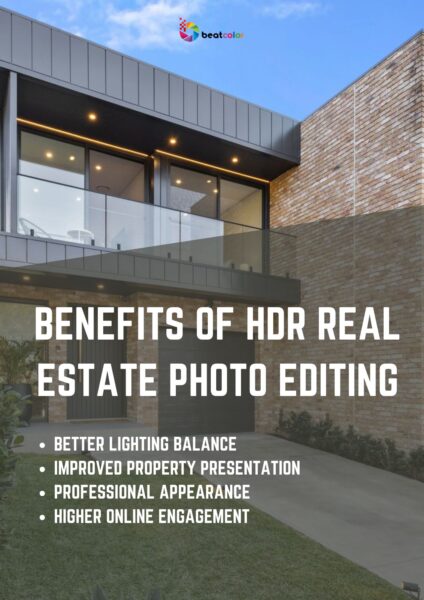
Benefits of HDR Real Estate Photo Editing
HDR offers several advantages for photographers and agents.
Better Lighting Balance
HDR captures details in both shadows and highlights. Consequently, images appear more complete.
Improved Property Presentation
Well-edited photos showcase rooms effectively. Therefore, buyers gain a clearer understanding of the property.
Professional Appearance
Professional-looking images strengthen a photographer’s reputation. Additionally, they improve client satisfaction.
Higher Online Engagement
Listings with attractive photos often receive more attention. As a result, properties may generate more inquiries.
HDR Versus Single Exposure Editing
Some photographers still use single exposure workflows. While effective in certain situations, they have limitations.
Single exposures often struggle with difficult lighting conditions. HDR provides greater flexibility.
It preserves details that might otherwise disappear. However, successful HDR editing requires restraint.
The goal is enhancement, not exaggeration. When used correctly, HDR images look natural and inviting.
Tips for Better HDR Real Estate Photos
Beginners can improve results by following simple practices.
First, always shoot in RAW format. RAW files contain more editing information.
Second, use a tripod whenever possible. Stable images improve HDR merging accuracy.
Third, avoid rushing the editing process. Small adjustments often create the best outcomes.
Fourth, compare edited images with the original exposures. This habit helps maintain realistic results.
Finally, focus on consistency. A consistent editing style strengthens your professional portfolio.
Should Beginners Outsource HDR Real Estate Photo Editing?
Many photographers eventually outsource editing tasks. This option saves time and increases productivity. Professional editing companies understand real estate requirements.
Therefore, they can produce consistent results quickly. Outsourcing also allows photographers to focus on shooting.
However, learning HDR fundamentals remains valuable. Understanding the process helps photographers communicate with editors effectively.
The Future of HDR Real Estate Photo Editing
Technology continues to improve HDR workflows. Editing software is becoming faster and more intelligent.
Artificial intelligence now assists with certain adjustments. Nevertheless, human judgment remains essential.
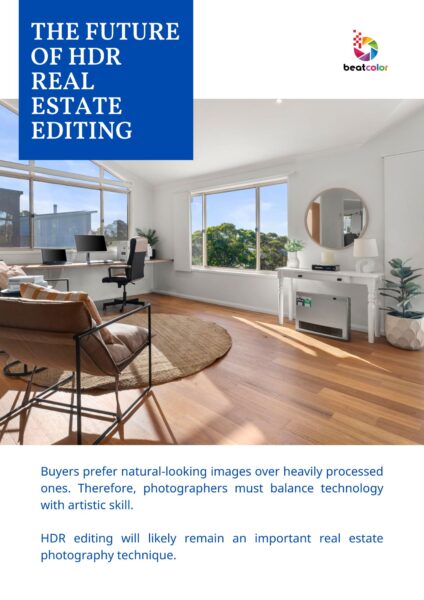
Buyers prefer natural-looking images over heavily processed ones. Therefore, photographers must balance technology with artistic skill.
HDR editing will likely remain an important real estate photography technique.
Final Thoughts
HDR Real Estate Photo Editing has transformed property photography. It helps photographers create balanced images that showcase spaces effectively.
For beginners, learning HDR may seem challenging initially. However, the process becomes easier with practice and patience.
By understanding exposure bracketing, editing techniques, and common mistakes, photographers can achieve professional results.
Ultimately, HDR editing allows properties to look their best while maintaining a natural and trustworthy appearance.
Read more:
Window Pull Editing Explained: The Secret Behind Stunning Real Estate Photos
Best Real Estate Photo Editing Companies in 2026
Professional Real Estate Photo Editing Services for Realtors and Photographers