
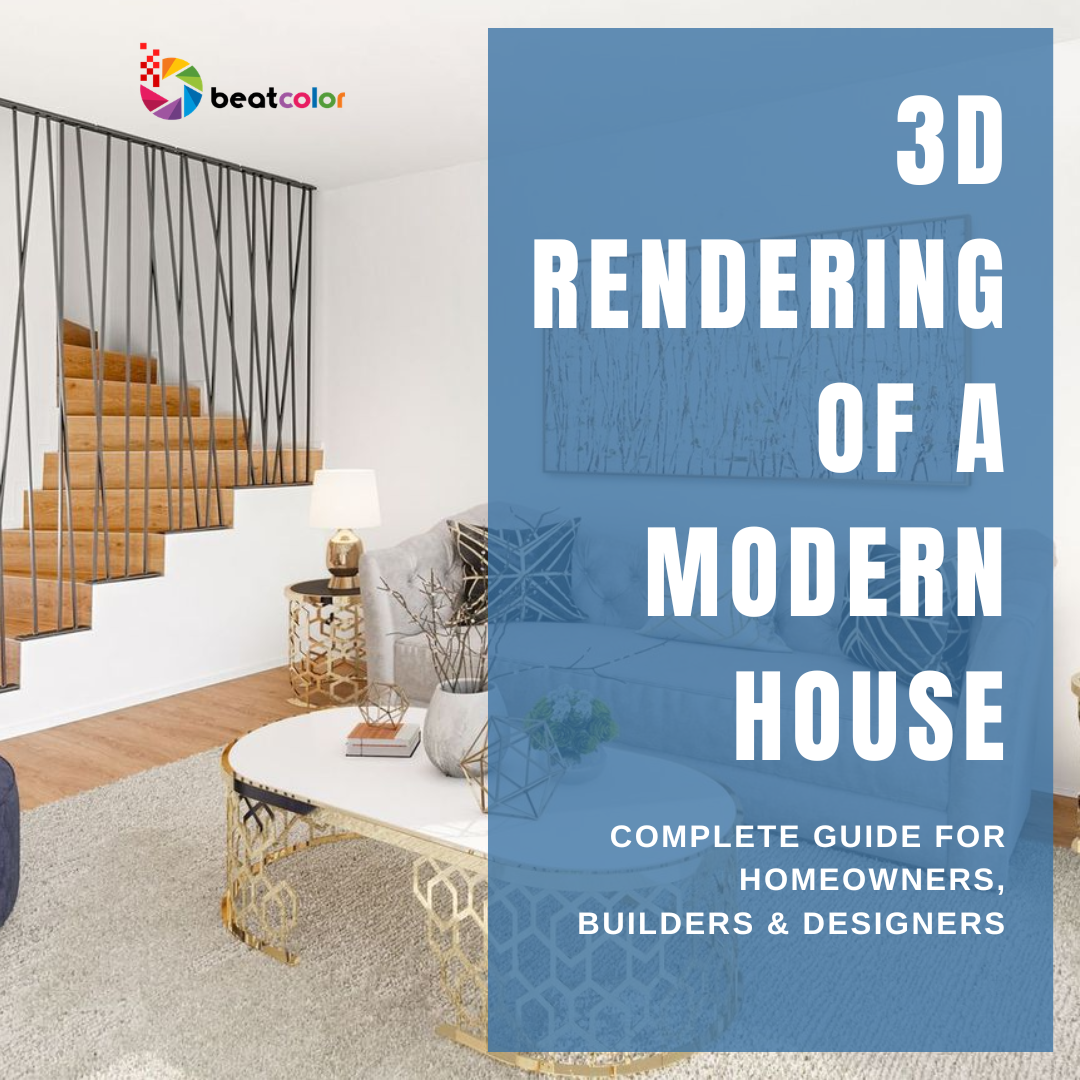
3D Rendering of a Modern House: Complete Guide for Homeowners, Builders & Designers
Designing a house used to depend heavily on imagination. Today, that approach feels outdated and inefficient.
Now, a 3D rendering of a modern house allows people to see ideas before construction begins. This shift is changing how homes are planned, approved, and marketed worldwide.
Whether you are a homeowner or a professional, understanding this process is essential.
Understanding 3D Rendering in Modern Housing
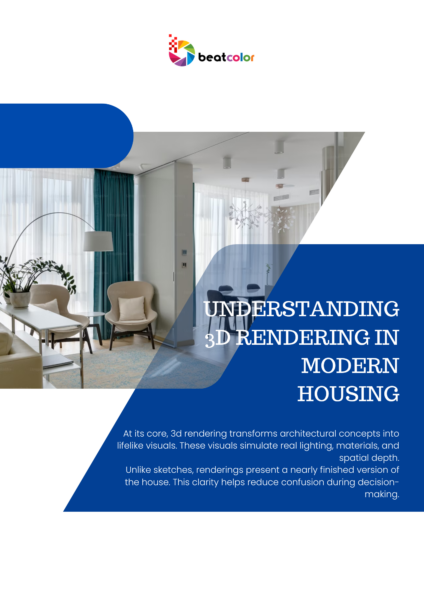
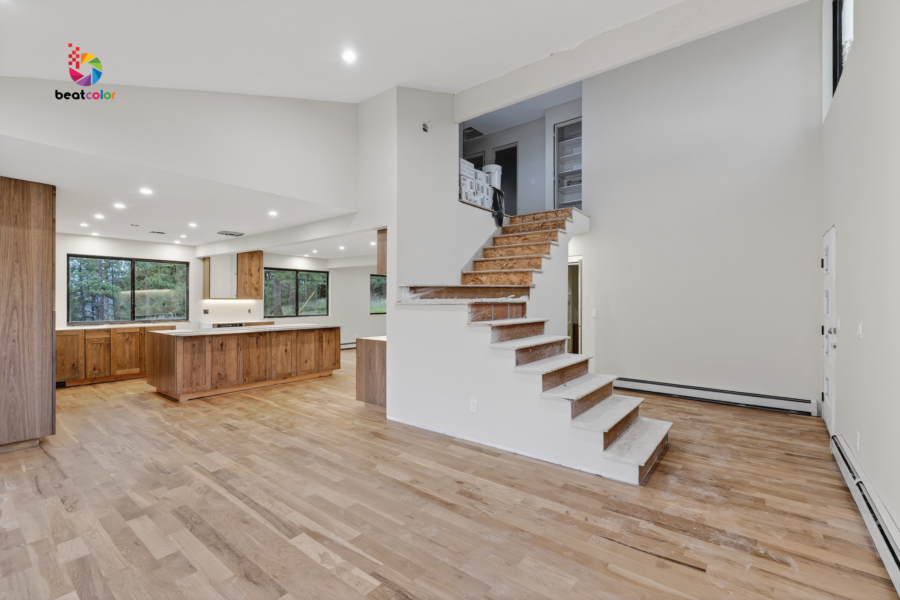
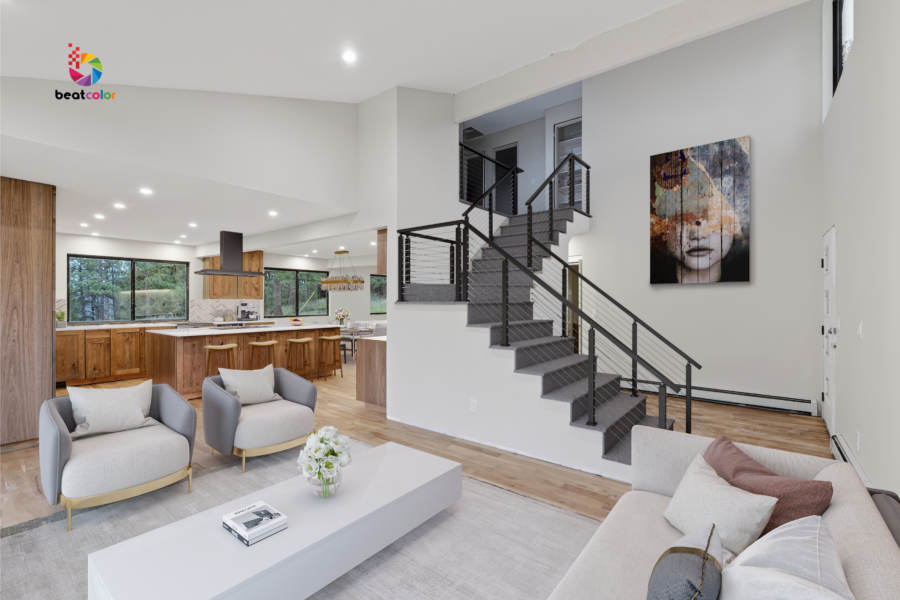
At its core, 3d rendering transforms architectural concepts into lifelike visuals. These visuals simulate real lighting, materials, and spatial depth.
Unlike sketches, renderings present a nearly finished version of the house. This clarity helps reduce confusion during decision-making.
Recent reports show that most clients now expect visual previews before approving designs. Consequently, rendering has become a baseline service in modern projects.
Why This Technology Is Dominating in 2026
The rise of rendering is not accidental. It reflects changing expectations across the real estate industry.
First, buyers want confidence before investing large amounts of money. Second, developers need faster approvals to stay competitive.
Studies indicate that projects using 3D visualization close deals significantly faster. Additionally, properties with rendered visuals attract more online engagement.
Therefore, rendering is now a strategic tool, not just a design feature.
Who Benefits from 3D Rendering?
Homeowners
For homeowners, rendering removes uncertainty. They can preview layouts, colors, and finishes in advance.
As a result, they make better decisions without costly revisions later.
Builders
Builders benefit from smoother workflows and fewer misunderstandings. Clear visuals align expectations between teams and clients.
This reduces delays and improves project timelines.
Designers
Designers gain a powerful storytelling tool. They can present ideas with precision and creativity.
This improves client trust and increases project approval rates.
How the 3D Rendering Process Works
Although results look complex, the workflow follows a logical sequence.
1. Input Collection
The process begins with gathering floor plans and reference materials. Accurate data ensures a reliable foundation for the project.
2. Digital Modeling
Next, a three-dimensional model of the house is created. This includes structure, proportions, and spatial relationships.
3. Material and Lighting Setup
Then, textures and lighting are applied carefully. These elements define realism and atmosphere.
4. Rendering Output
The system generates high-quality images or animations. Advanced engines calculate light behavior and reflections precisely.
5. Final Enhancement
Finally, post-production improves sharpness and color balance. This step delivers a polished and professional result.
Emerging Trends in 3D Rendering of Modern Houses
The industry continues to evolve quickly with new technologies.
AI-Assisted Visualization
Artificial intelligence now supports many rendering tasks. It speeds up workflows and automates repetitive steps.
In some cases, production time drops dramatically.
Interactive Real-Time Viewing
Real-time rendering allows instant exploration of designs. Clients can navigate spaces without waiting for final outputs.
This creates a more engaging experience.
Photorealism with Natural Imperfections
Modern renderings include subtle imperfections for realism. These details make visuals feel authentic rather than artificial.
As a result, viewers trust the images more.
Immersive VR and AR Experiences
Virtual reality lets users walk through a digital house. Augmented reality places designs into real-world environments.
These tools are especially useful for off-plan developments.
Cloud-Based Rendering Systems
Cloud platforms handle complex rendering tasks efficiently. They eliminate the need for expensive local hardware.
This approach also supports remote collaboration.
Cost Overview in 2026
The cost of 3d rendering of a modern house varies widely. It depends on detail level, resolution, and project scope.
Basic renderings are relatively affordable for small projects. However, high-end animations and VR experiences cost significantly more.
On average, projects range from moderate to premium budgets globally. Faster delivery often requires additional investment.
Common Challenges to Consider
Despite its advantages, rendering is not without challenges.
First, high-quality results require skilled professionals. Second, complex designs can extend production timelines.
Additionally, unclear input data can lead to inaccurate visuals. Therefore, preparation and communication remain critical.
Tips for Achieving Better Rendering Results
To get the most value from rendering, consider these practical tips.
- Provide clear and detailed project references.
- Define your preferred style early in the process.
- Focus on lighting, as it shapes the final mood.
- Choose experienced teams for consistent quality.
These actions help avoid unnecessary revisions and delays.


Final Thoughts
3d rendering of a modern house is redefining how homes are designed and presented. It bridges the gap between imagination and reality effectively.
As technology evolves, rendering becomes faster and more immersive. This makes it accessible to a wider range of users.
For homeowners, builders, and designers, adopting this approach offers clear advantages. It improves decisions, reduces risks, and enhances project outcomes.
In a competitive market, visual clarity is no longer optional. It is a decisive factor for success.
Q&A Section
Q1: Is 3D rendering useful for renovation projects?
Yes, it works well for renovations. It helps visualize changes before construction begins.
Q2: How accurate are rendered images?
Modern renderings are highly accurate. However, final results may vary slightly after construction.
Q3: Can rendering improve property sales?
Yes, it enhances visual appeal and buyer interest. Properties with strong visuals often sell faster.
Q4: Do I need technical knowledge to use rendering services?
No, professionals handle technical aspects. You only need to provide clear ideas and feedback.
Q5: What makes a rendering look realistic?
Lighting, textures, and composition are key factors. Attention to detail also plays a major role.
Read more:
Virtual Home Staging: The Ultimate Strategy for Real Estate Success
AI Real Estate Photo Editing: The Future of Property Marketing
Outsourcing Real Estate Photo Editing Strategy for Agents