
How Realtors Use Virtual Staging to Attract More Buyers
Virtual Staging has become one of the smartest marketing tools for real estate professionals.
The real estate market has become more competitive than ever. Buyers now make decisions before visiting a property.
Most home searches begin online. Therefore, the first impression often determines whether buyers schedule a showing. This shift has changed how successful agents market listings.
Instead of presenting empty rooms, agents can showcase beautifully furnished spaces that inspire buyers. The result is stronger engagement, more inquiries, and faster sales opportunities.
This article explains how modern realtors use virtual staging to attract more buyers and stay ahead in today’s digital market.
Why First Impressions Matter More Than Ever
Nearly every buyer starts searching online. Property photos appear before prices, descriptions, or neighborhood information.
Consequently, images become the deciding factor. According to the National Association of Realtors, most homebuyers use the internet during their property search.
High-quality listing photos consistently generate more clicks and viewing requests.
However, empty rooms rarely create emotional connections. Many buyers struggle to imagine furniture placement or room functionality.
As a result, vacant homes often receive less attention. Professionally staged interiors solve this challenge.
When physical staging feels expensive, virtual staging provides a practical alternative.
What Makes Virtual Staging So Effective?
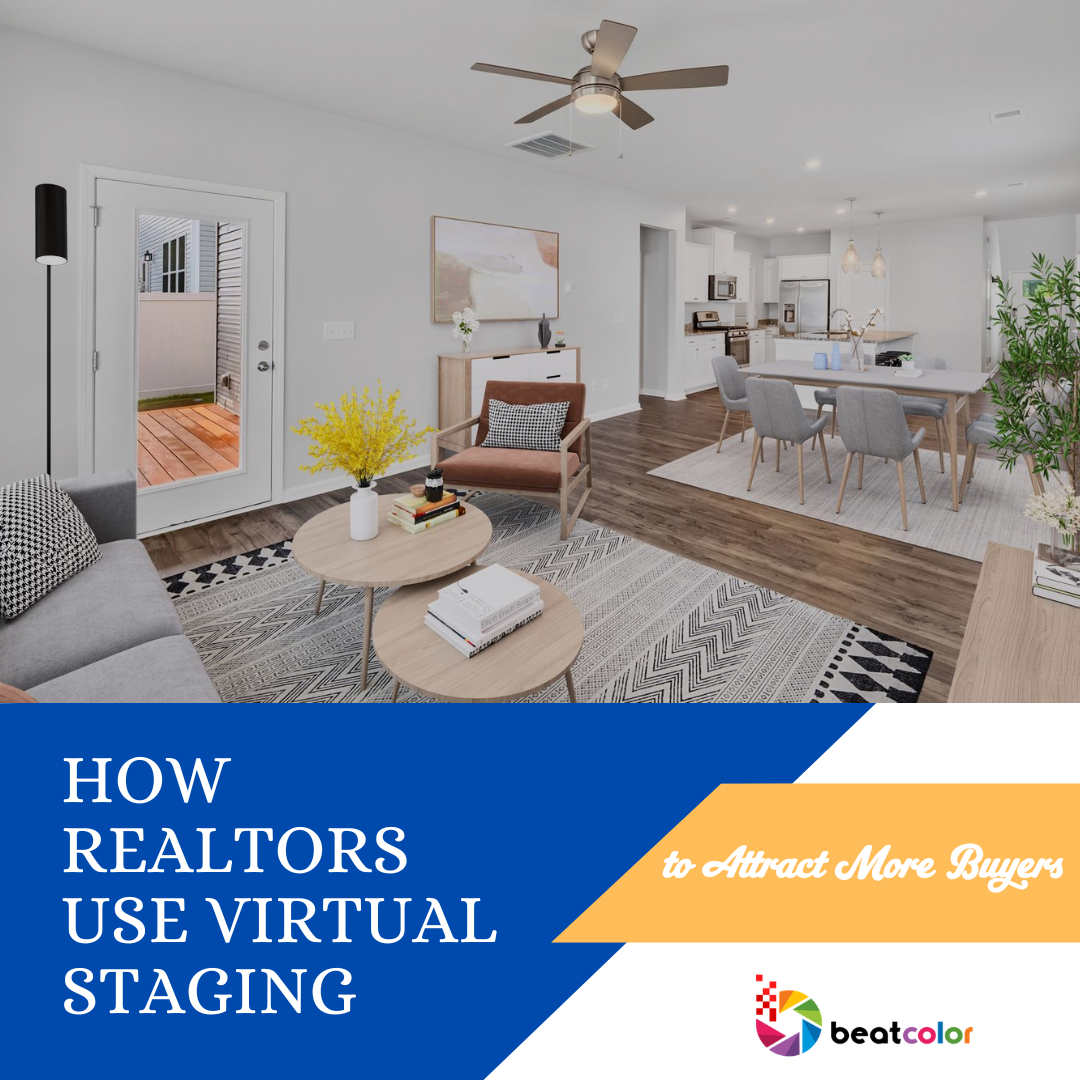
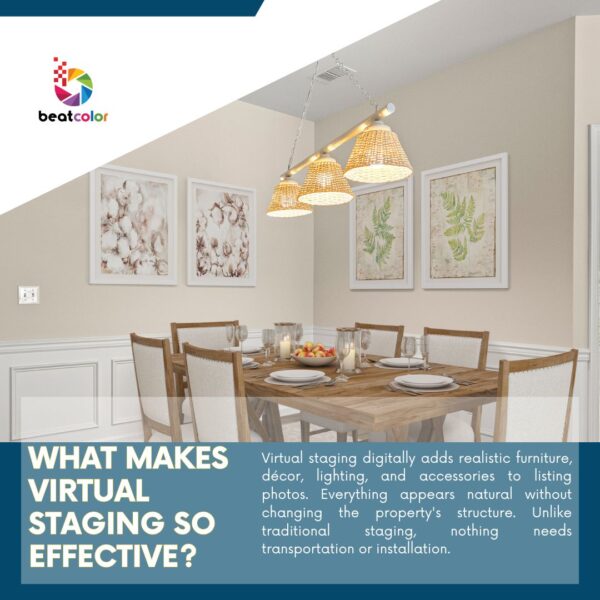
Virtual staging digitally adds realistic furniture, décor, lighting, and accessories to listing photos. Everything appears natural without changing the property’s structure. Unlike traditional staging, nothing needs transportation or installation.
Instead, professional editors create attractive interiors using advanced design software. Modern AI-assisted workflows also improve production speed.
Meanwhile, skilled designers maintain realistic proportions and lighting consistency. This combination delivers visually convincing results. More importantly, buyers can better understand each room’s purpose.
That emotional clarity often increases interest immediately.
Realtors Save Time Without Sacrificing Quality
Traditional staging requires significant planning. Furniture must be rented, delivered, arranged, and eventually removed. These steps increase both costs and project timelines.
In contrast, virtual staging only requires quality property photos. The digital transformation typically finishes within one business day.
Some providers even offer faster turnaround options. Agents can therefore publish listings sooner. Earlier exposure often creates stronger market momentum. Speed matters, especially in competitive housing markets.
Better Photos Generate More Buyer Clicks
Online buyers scroll through dozens of listings every session. Only standout images encourage them to stop. Beautifully staged spaces naturally attract more attention.
Living rooms appear welcoming. Bedrooms feel comfortable.
Dining areas inspire family gatherings. These visual stories encourage buyers to imagine daily life inside the home.
That emotional response creates stronger curiosity. Consequently, listing engagement often improves.
Higher engagement frequently leads to additional inquiries and scheduled showings.
Buyers Connect With Lifestyle Instead of Empty Rooms
People rarely purchase square footage alone. Instead, they buy possibilities.
Well-designed interiors help buyers imagine celebrations, relaxation, and family routines. Empty walls cannot communicate those experiences.
Furniture creates context. Artwork adds personality.
Lighting establishes an atmosphere. Together, these elements transform ordinary spaces into desirable homes.
This emotional marketing approach has become increasingly valuable. Today’s buyers expect visually engaging online experiences.
Virtual Staging Supports Different Buyer Personas
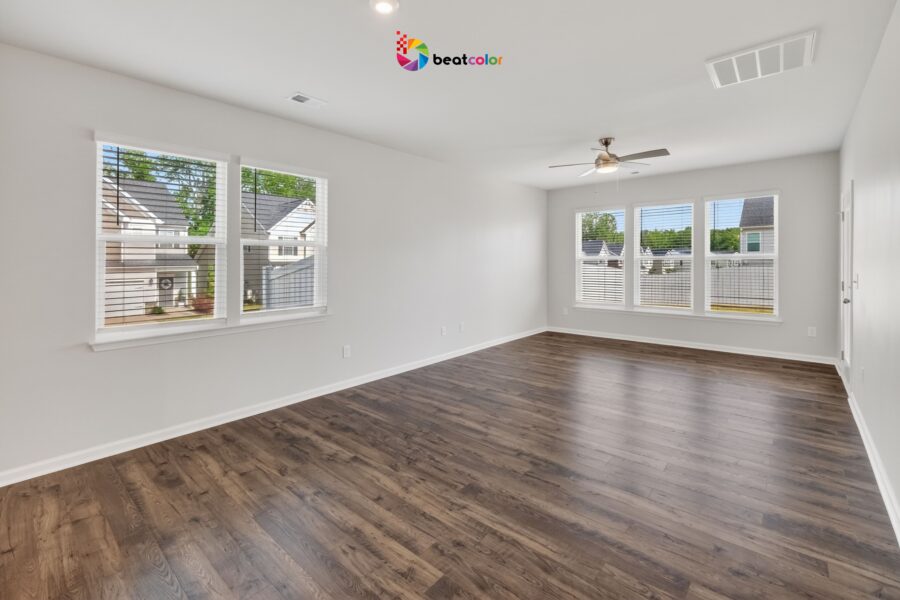
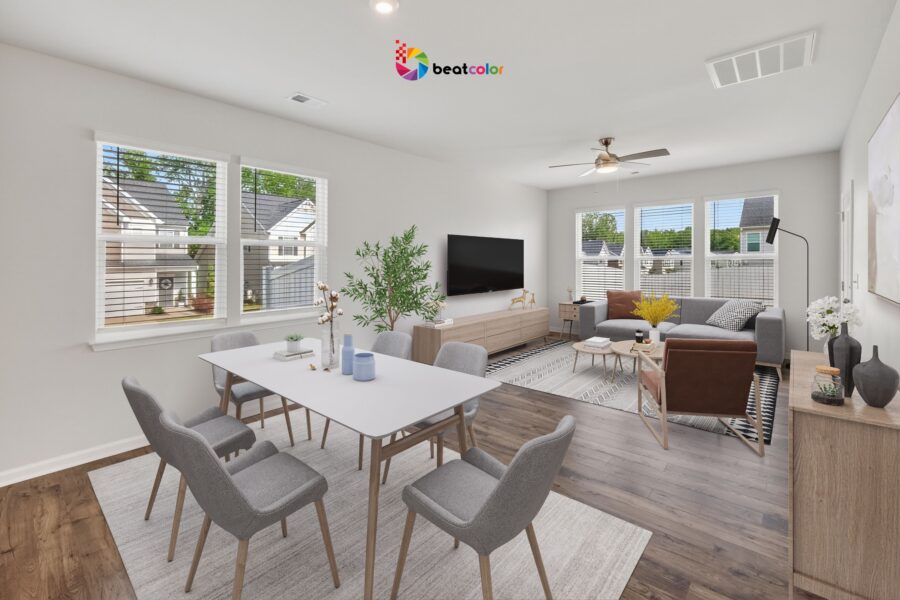
One design does not fit every audience. Fortunately, virtual staging offers remarkable flexibility. Luxury homes may feature elegant contemporary furniture.
Family homes can display practical layouts with warm colors. Urban apartments often benefit from modern minimalist designs. Vacation properties may highlight relaxed coastal interiors. Some providers even create multiple staging styles for one property. Agents can then match visuals with their target demographic.
This customized strategy improves marketing effectiveness.
Cost Efficiency Creates Better Marketing Returns
Marketing budgets remain important for every real estate business. Traditional staging can cost thousands of dollars. Larger homes increase those expenses even further. Digital staging usually costs a small fraction of physical staging. Therefore, agents can market more listings within the same budget.
The saved resources support additional advertising campaigns. Many realtors invest those savings into social media promotions or premium listing placements.
This balanced strategy often produces stronger overall results.
Social Media Rewards Visually Attractive Listings
Social platforms have become powerful property discovery channels. Buyers regularly browse homes through Instagram, Facebook, Pinterest, and TikTok. Eye-catching interiors perform significantly better than vacant rooms. Strong visuals encourage likes, shares, and comments.
Consequently, listing visibility increases organically. Short-form video marketing also benefits from staged imagery. Professionally enhanced rooms create more engaging video walkthroughs.
This expanded exposure reaches buyers beyond traditional listing websites.
Virtual Staging Helps Vacant New Construction
New developments often remain empty during early sales phases. Without furniture, rooms may appear smaller than reality. Developers face additional challenges when marketing unfinished inventory.
Virtual staging solves both issues. Digital furniture demonstrates room functionality.
Meanwhile, buyers better understand layout possibilities. Builders can also present different design concepts for identical floor plans. This flexibility supports faster decision-making. As a result, unsold inventory may move more quickly.
Transparency Builds Long-Term Trust
Ethical marketing remains essential. Responsible agents always disclose when listing photos include virtual staging. This transparency protects buyer confidence.
It also establishes realistic expectations before property visits. Professional staging should never hide structural problems or permanent defects.
Instead, it should illustrate potential. Trustworthy marketing strengthens an agent’s reputation.
Satisfied clients often generate valuable referrals.
Choosing the Right Virtual Staging Partner
Not every provider delivers the same quality. Realtors should evaluate several important factors before selecting a service.
Look for realistic furniture placement and natural lighting. Pay attention to shadows, reflections, and perspective accuracy. Fast turnaround also matters. Consistent editing quality supports brand credibility.
Review before-and-after examples carefully. Finally, choose a company experienced with real estate photography. Industry expertise usually produces stronger marketing images.

The Future of Real Estate Marketing
Buyer expectations continue evolving. Artificial intelligence has accelerated content creation across every industry. However, authenticity remains equally important.
Successful agents combine advanced technology with thoughtful marketing strategies. Virtual staging fits perfectly within that balance. It saves time while improving presentation quality.
It reduces costs without reducing visual impact. Most importantly, it helps buyers imagine themselves living inside the property.
That emotional connection remains one of real estate’s strongest selling advantages.
Final Thoughts
The competition for buyer attention continues growing every year. Exceptional listing photography is no longer optional. Instead, it has become an essential marketing investment.
Virtual staging allows realtors to showcase properties beautifully while controlling costs. It supports faster marketing, stronger engagement, and broader online visibility.
Combined with honest communication and professional photography, virtual staging becomes a powerful tool for attracting qualified buyers.
As digital real estate marketing evolves, agents who embrace innovative visual strategies will continue standing out from the competition.
Read more:
Common Virtual Staging Mistakes and How to Avoid Them
Virtual Staging Before and After: Real Property Transformations
Can AI Real Estate Photo Editing Replace Professional Editors?