
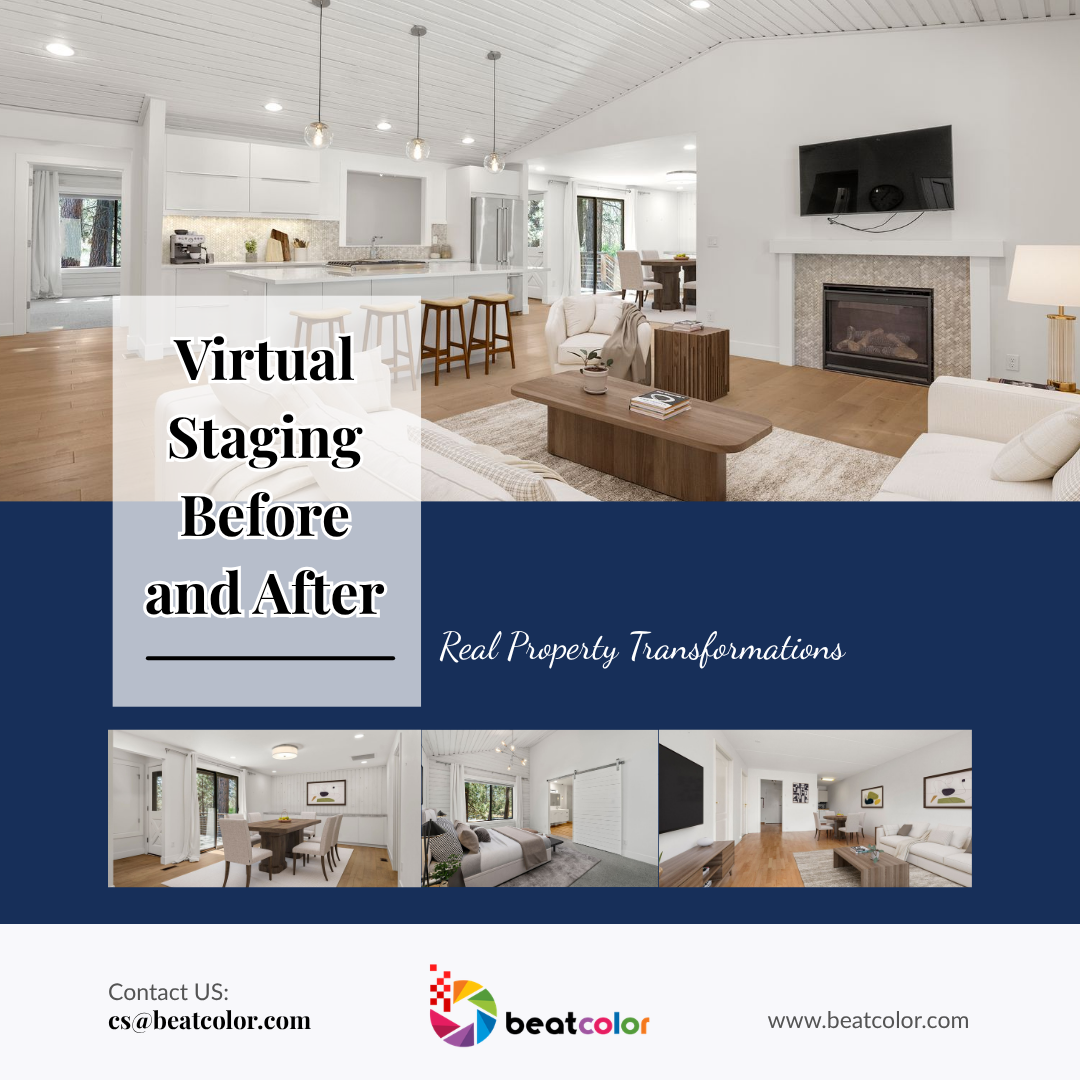
Virtual Staging Before and After: Real Property Transformations
The real estate industry has changed dramatically during the past few years. Buyers now begin their home search online instead of visiting multiple properties first. Therefore, listing photos often decides whether someone schedules a showing.
That shift makes presentation more valuable than ever. Consequently, many agents rely on virtual staging before and after examples to capture attention and inspire confidence.
A vacant room rarely tells a compelling story. Instead, it leaves buyers guessing about furniture placement and everyday living. As a result, potential buyers often scroll past listings without taking further action.
Virtual staging changes that experience completely. It transforms empty spaces into warm, stylish, and inviting rooms through realistic digital furniture. Moreover, it costs far less than traditional physical staging.
Today, buyers expect beautiful listing photos. Therefore, virtual staging has become a competitive advantage rather than an optional marketing tool.
Why Virtual Staging Matters More Than Ever
Digital house hunting has become the new standard. Consequently, first impressions happen on screens instead of front porches.
According to the National Association of Realtors, nearly every homebuyer uses the internet during the property search. Furthermore, listing photos remains one of the most influential factors in choosing homes to visit.
This behavior creates enormous pressure for real estate professionals. They need listing images that immediately stand out among hundreds of competing properties.
Fortunately, virtual staging offers a practical solution.
Instead of showing blank walls and empty floors, agents present a complete lifestyle. Buyers can instantly imagine relaxing, working, dining, and entertaining inside the home.
That emotional connection often becomes the difference between a click and a skipped listing.
What Does Virtual Staging Before and After Really Show?
The phrase virtual staging before and after represents much more than attractive editing.
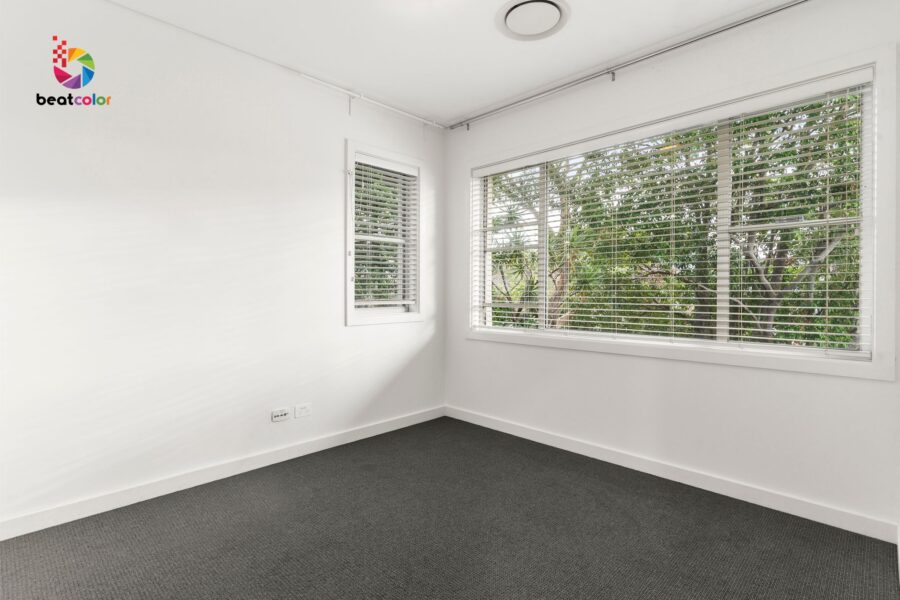
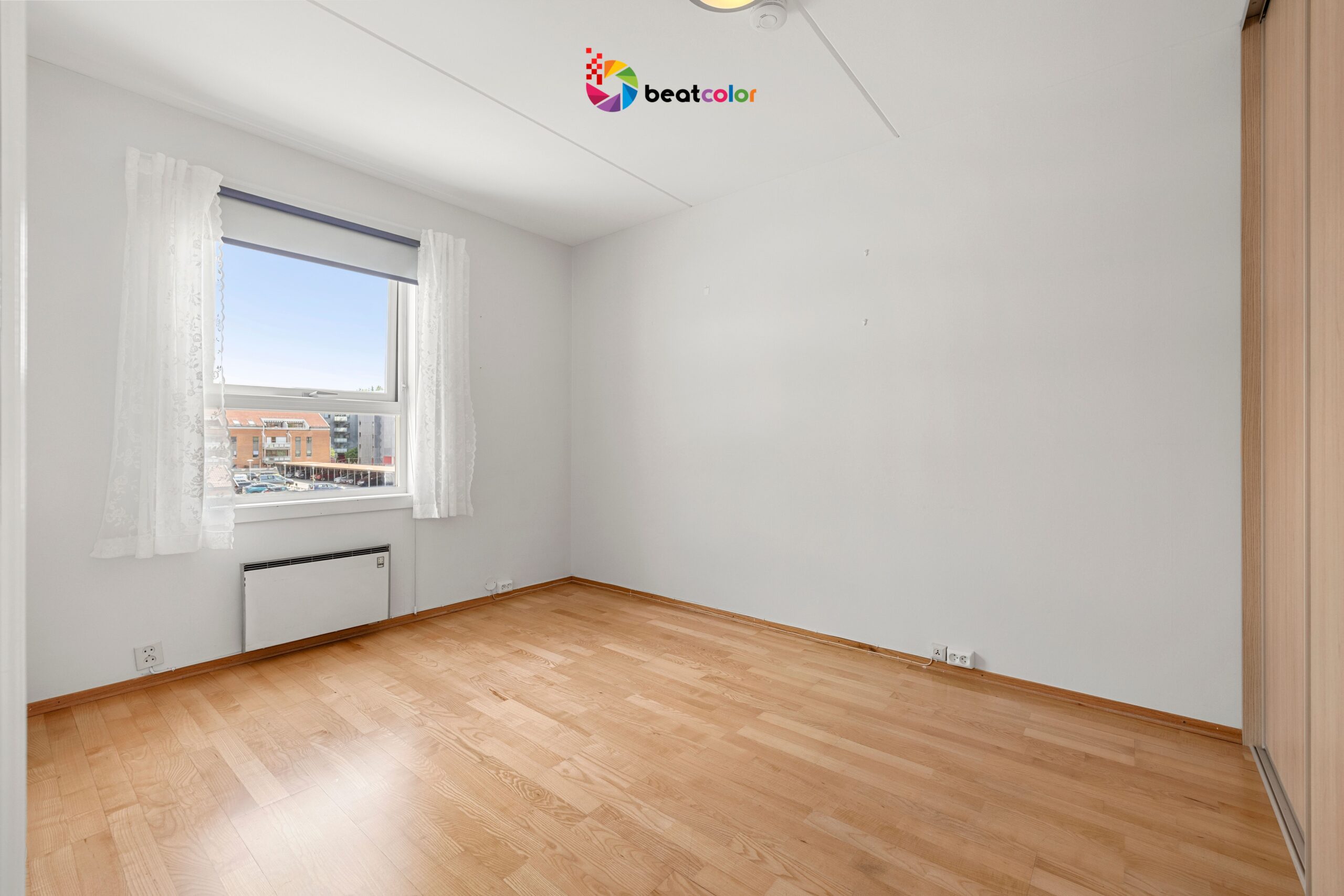
The “before” image usually displays an empty or outdated room. While the room may have excellent dimensions, it often lacks personality.
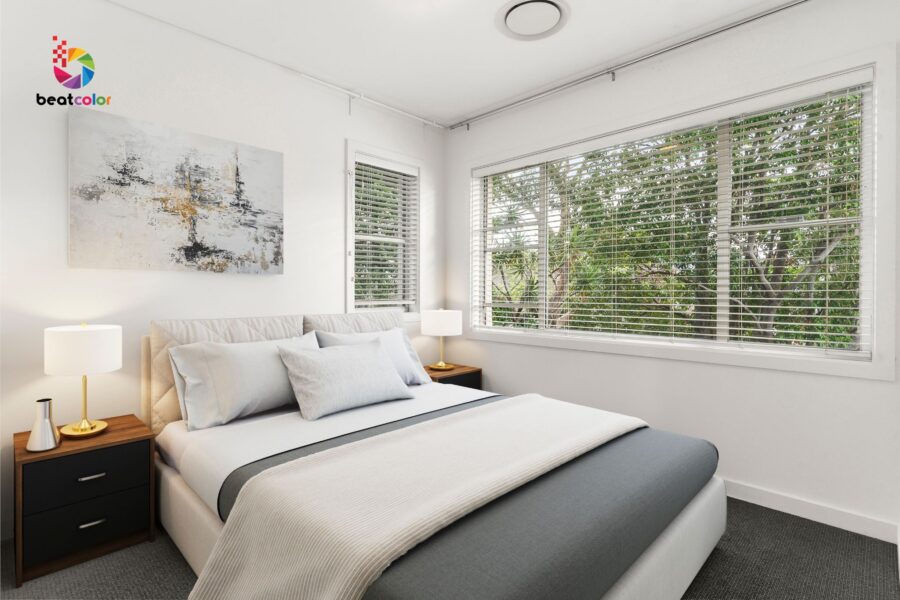
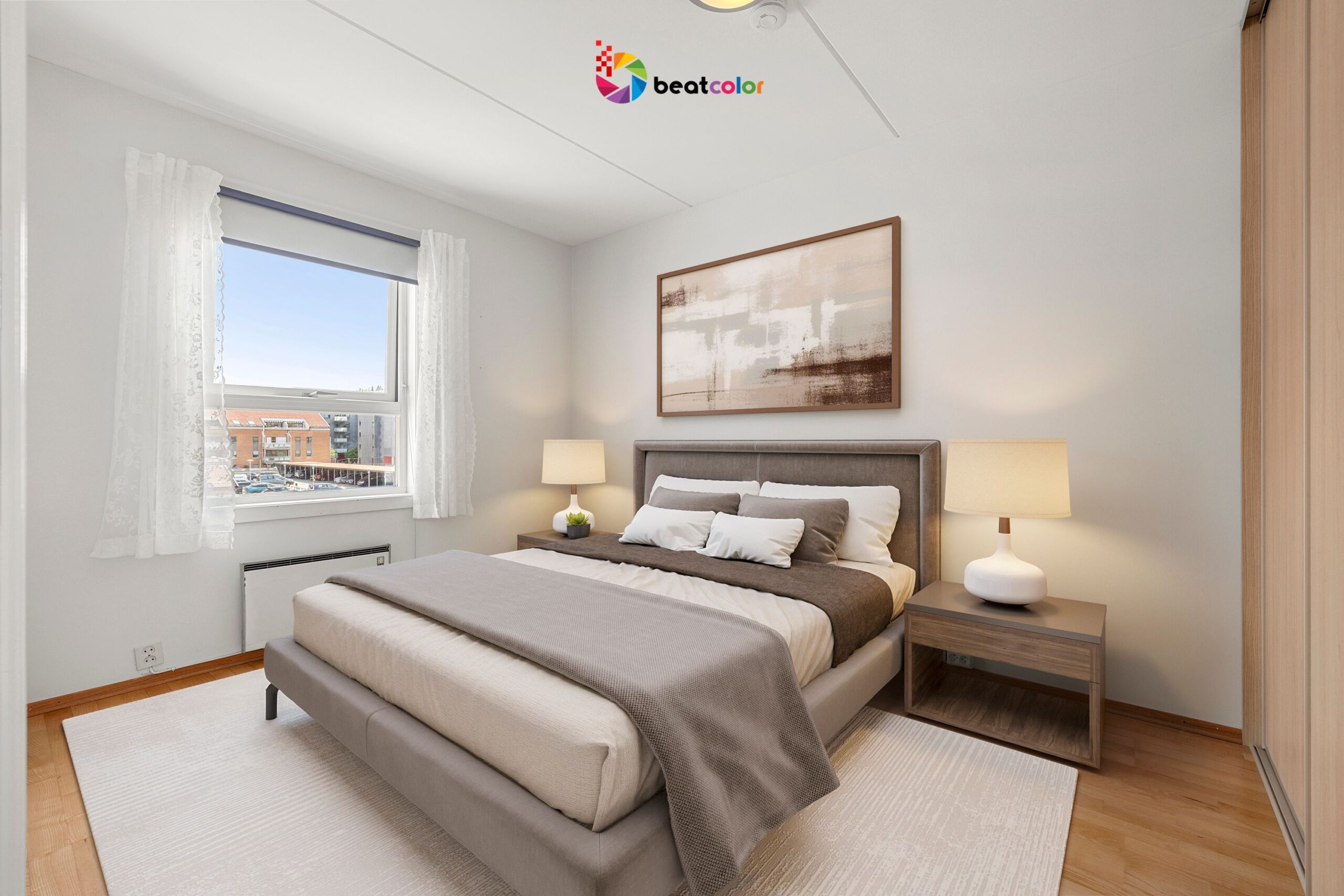
The “after” image introduces professionally designed furniture, tasteful decorations, rugs, artwork, and lighting. Importantly, the property’s architecture remains unchanged.
This comparison helps buyers understand the room’s true potential.
For example, an empty living room may seem smaller than it actually is. However, carefully scaled furniture demonstrates realistic proportions and functional layouts.
Likewise, an unused bedroom becomes a welcoming guest suite or productive home office.
Instead of imagining possibilities alone, buyers immediately see them.
The Psychology Behind Before and After Transformations
People naturally respond to visual storytelling.
An empty room communicates very little. Therefore, buyers must mentally furnish every space themselves.
Unfortunately, many people struggle with visualization.
Virtual staging removes that challenge completely. Instead, buyers receive a clear vision from the very first image.
As a result, they spend more time exploring the listing.
Additionally, beautifully staged rooms create positive emotional reactions. Buyers begin imagining family dinners, quiet mornings, and memorable celebrations inside the property.
Those emotions frequently influence purchasing decisions more than measurements alone.
Consequently, attractive staging supports stronger buyer engagement throughout the sales journey.
Which Properties Benefit Most?
Virtual staging works across many property categories. Vacant homes gain immediate warmth without expensive furniture rentals.
New construction projects showcase finished living spaces before model homes become available.
Luxury properties display elegant interiors matching premium buyer expectations. Investment properties attract renters with furnished marketing images.
Vacation rentals also benefit from polished presentations that increase booking interest. Even older homes can appear modern through carefully selected furniture styles.
Therefore, virtual staging serves both residential and commercial real estate marketing.
Key Elements of an Effective Transformation
Not every staged image delivers outstanding results. Successful transformations begin with high-quality photography.
Bright, sharp images provide the strongest foundation for realistic editing. Next, furniture should match the property’s architecture.
For example, modern furniture complements contemporary homes. Meanwhile, traditional interiors require classic design elements.
Consistency also matters.
Every room should follow a unified interior style. Otherwise, the home feels disconnected and confusing.
Scale remains equally important. Oversized furniture creates unrealistic proportions.
Professional editors carefully size every object to preserve authenticity.
Finally, natural lighting and realistic shadows complete the illusion. These subtle details convince buyers that the room feels genuine rather than digitally created.
Common Mistakes to Avoid
Although virtual staging is powerful, poor execution can reduce buyer trust.
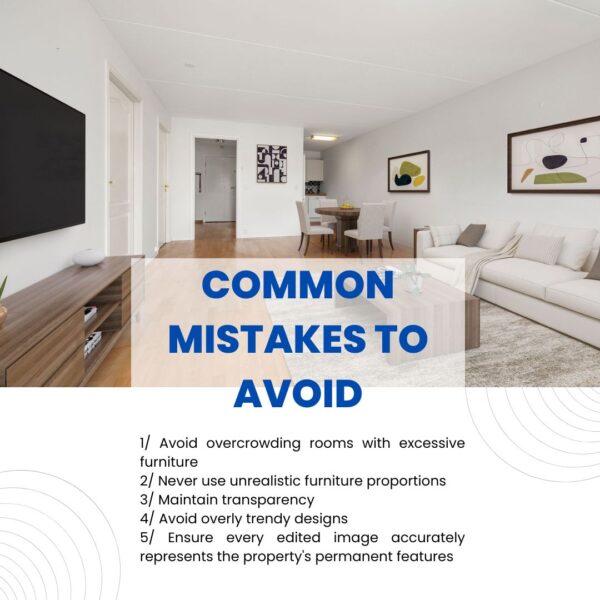
First, avoid overcrowding rooms with excessive furniture. Clean layouts usually appear larger and more welcoming.
Second, never use unrealistic furniture proportions. Buyers notice awkward sizing surprisingly quickly.
Third, maintain transparency. Many real estate professionals clearly identify virtually staged images.
This approach builds credibility while managing buyer expectations. Additionally, avoid overly trendy designs. Timeless interiors appeal to broader audiences and remain attractive longer.
Finally, ensure every edited image accurately represents the property’s permanent features. Virtual staging should enhance reality instead of creating false expectations.
Virtual Staging Versus Traditional Staging
Traditional staging certainly has strengths. Buyers experience professionally furnished spaces during physical tours.
However, traditional staging involves furniture rental, transportation, installation, storage, and removal.
Those expenses quickly increase marketing budgets. Virtual staging eliminates nearly all those logistical challenges.
Digital furniture appears only in listing photos.
Therefore, properties remain physically empty while marketing materials look professionally furnished.
Turnaround times are also much faster. Many professional editing companies deliver completed images within one or two business days.
Consequently, listings reach the market sooner.
For many agents, virtual staging provides an excellent balance between affordability, speed, and visual impact.
Real Business Benefits Beyond Beautiful Images
Great visuals create measurable marketing advantages. Eye-catching listing photos often encourage more online engagement.
Higher engagement can produce additional inquiries and property showings. Furthermore, attractive listings strengthen an agent’s professional brand.
Clients appreciate innovative marketing strategies that maximize property presentation. Virtual staging also supports social media campaigns.
Before and after comparisons perform especially well because viewers naturally enjoy visual transformations.
These images encourage sharing, commenting, and longer viewing times.
Additionally, marketing teams can reuse staged images across websites, brochures, email campaigns, and digital advertisements.
That flexibility increases overall marketing value.
The Future of Virtual Staging
Technology continues improving every year. Artificial intelligence now assists designers with furniture recommendations and layout concepts.
Meanwhile, rendering software produces increasingly realistic lighting, textures, and shadows.
However, human creativity remains essential.
Experienced designers understand buyer preferences, regional design trends, and emotional storytelling.
The strongest results combine advanced technology with thoughtful design expertise.
Looking ahead, buyers will likely expect even more personalized property experiences.
Virtual staging will continue evolving alongside interactive floor plans, immersive virtual tours, and AI-powered visualization tools.
Therefore, adopting high-quality virtual staging today prepares real estate businesses for tomorrow’s digital marketplace.
Final Thoughts
Strong first impressions have never mattered more. Today’s buyers form opinions within seconds of viewing listing photos online.
Therefore, every image should communicate comfort, possibility, and lifestyle.
High-quality virtual staging before and after transformations help vacant properties become memorable homes in buyers’ minds. More importantly, they tell stories instead of simply displaying empty rooms.
When executed professionally, virtual staging enhances marketing without sacrificing authenticity.
It creates emotional connections, increases listing appeal, and supports better business outcomes.
As digital real estate marketing continues evolving, visually compelling presentations will remain essential. For agents, photographers, and property marketers, virtual staging is no longer simply a creative enhancement.
It has become one of the smartest investments for attracting modern buyers in an increasingly competitive market.
Read more:
Virtual Staging Services: The Complete Guide for Realtors
AI Virtual Staging Explained: How It Works