
Camera Gear Guide: What Matters Most in 2026
Forget the question, “What is the best camera?”! A better question is, “What helps me create better work?” That shift matters more in 2026.
Camera technology has become remarkably capable. Meanwhile, smartphones continue improving every year. As a result, professional photographers need more than impressive specifications. They need reliable Gear that fits real shooting conditions.
Today, the strongest camera systems combine speed, portability, autofocus, video performance, and dependable lenses. However, buying everything available is rarely the smartest approach. The right Gear should solve problems before creating new ones.
The Camera Is No Longer Alone
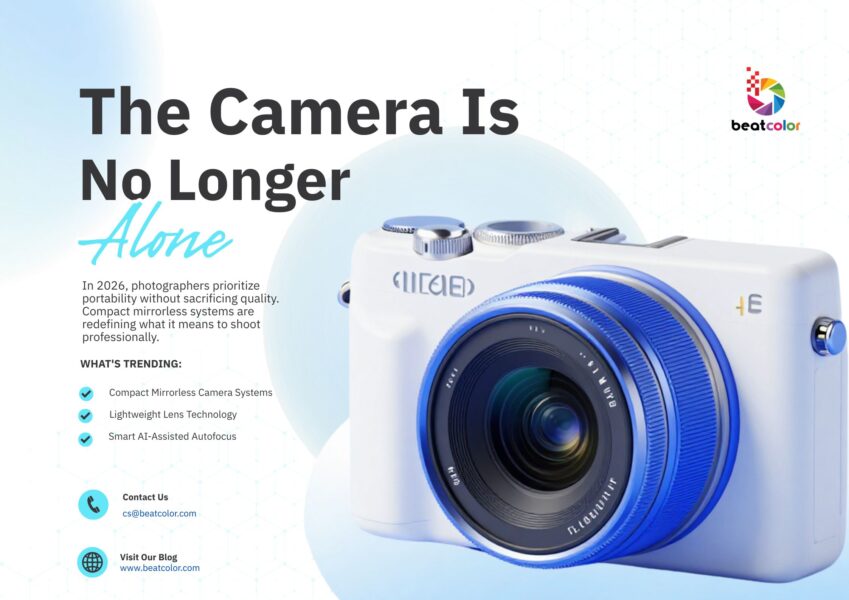
Mirrorless cameras remain the center of modern interchangeable-lens photography. They offer fast autofocus, electronic viewfinders, strong video features, and increasingly intelligent subject recognition.
However, the market is changing. Recent 2026 data shows weaker overall camera shipments, while compact cameras and smaller mirrorless systems continue gaining attention. That trend reveals something important. Photographers increasingly value portability alongside image quality.
A smaller camera can travel farther. It can also stay ready for spontaneous opportunities.
That matters for real estate photographers, travel creators, and professionals working across multiple locations. For many users, an APS-C camera can provide an excellent balance.
It offers strong image quality without the weight of some full-frame systems. Meanwhile, full-frame remains attractive for demanding commercial work. The choice should therefore begin with your workload. Do not begin with the most expensive camera body. Begin with the images you need to produce.
Lenses Are Still the Real Investment
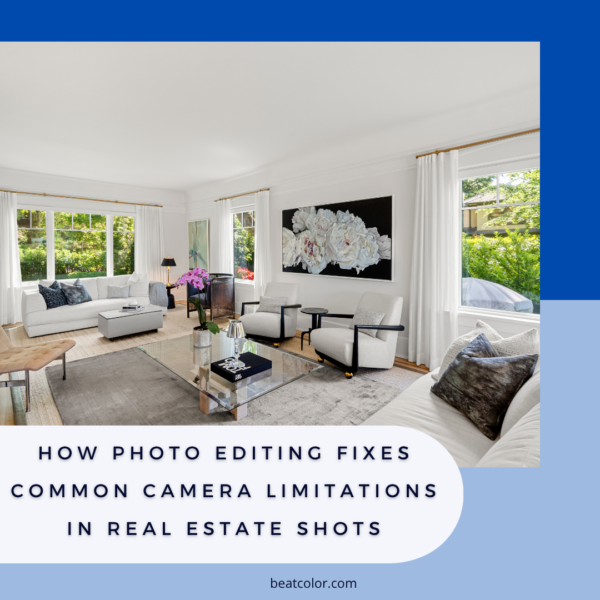
A camera body attracts attention. A lens often determines the character of the final image. This becomes especially important when photographing interiors.
Real estate photographers frequently need wide perspectives. However, extremely wide lenses can introduce distracting distortion.
Therefore, lens selection should balance coverage, sharpness, and perspective control. A versatile wide-angle zoom can become a powerful everyday tool. A fast prime can then handle portraits, details, and low-light situations. There is also another advantage.
Good lenses can remain useful across several camera generations. Bodies change quickly. Quality glass can stay relevant for years. That makes lenses one of the smartest areas for thoughtful investment.
In 2026, the market also shows growing interest in smaller and more affordable lenses. Recent industry coverage highlights new compact options from companies such as Sigma and Viltrox.
Consequently, photographers have more choices beyond traditional premium brands. That competition is good news for creators. It can lower costs without necessarily lowering creative possibilities.
Autofocus Has Become a Creative Tool
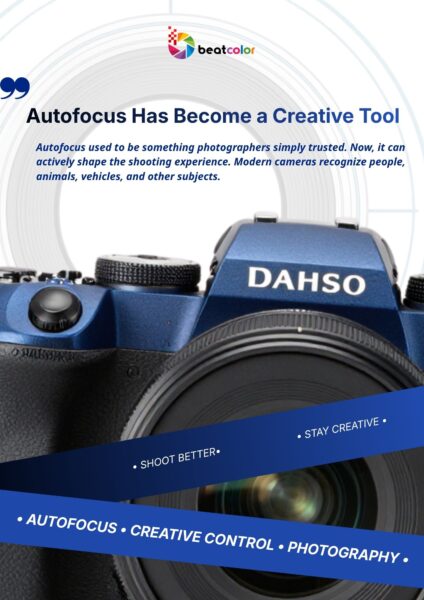
Autofocus used to be something photographers simply trusted. Now, it can actively shape the shooting experience. Modern cameras recognize people, animals, vehicles, and other subjects.
Some systems can maintain tracking across complicated movements. This is especially useful for video production. It also helps photographers react quickly during unpredictable moments.
However, smarter autofocus does not replace photographic judgment. A camera can recognize a subject.
It cannot decide why that subject matters. That distinction becomes increasingly important as AI-powered camera technology develops.
The best Gear therefore combines automation with human control. Use technology to remove repetitive decisions. Keep creative decisions in your own hands.
That balance will remain valuable as cameras become increasingly intelligent.
Video Has Changed the Gear Bag
Photography and video no longer live in separate worlds. Many photographers now create both.
Consequently, hybrid cameras have become increasingly attractive. A single body can capture property photos, social clips, walkthroughs, interviews, and promotional content. That flexibility can reduce equipment costs. It can also simplify production workflows.
However, video requires more than a capable camera body. Audio is critical. Stabilization matters. Battery life matters. Storage matters. So does the lens.
For handheld property walkthroughs, stabilization can make footage feel significantly more professional. A compact microphone can also improve perceived production quality.
Meanwhile, a lightweight tripod can provide consistent framing. The lesson is simple. Your video Gear should support the entire production chain. Buying a powerful camera alone will not create professional video.
AI Is Changing What “Good Gear” Means
Artificial intelligence is now influencing both cameras and post-production. Modern cameras increasingly use intelligent subject recognition and processing.
Meanwhile, editing software can automate tasks that previously required considerable manual effort. This changes the role of hardware. Photographers can spend less time correcting technical problems.
They can instead focus more heavily on composition and storytelling. However, AI does not make Gear irrelevant. It makes the right Gear more useful.
High-quality source material still matters. Sharp images provide better editing flexibility. Consistent exposure creates cleaner results. Accurate color gives editors stronger starting points. Stable video provides better material for post-production.
Therefore, the smartest workflow combines capable hardware with efficient software. The camera captures the foundation. Technology then helps refine the result.
The 2026 Reality Check
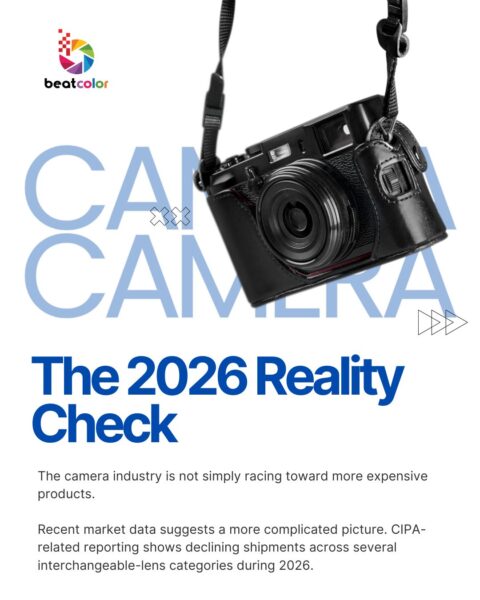
Here is where things become interesting. The camera industry is not simply racing toward more expensive products.
Recent market data suggests a more complicated picture. CIPA-related reporting shows declining shipments across several interchangeable-lens categories during 2026.
At the same time, compact cameras and smaller mirrorless models are attracting renewed interest. That suggests buyers are becoming more selective. They are not necessarily asking for maximum specifications. Instead, they are asking whether a product deserves a place in their bag. That is a healthier way to approach Gear. More megapixels do not automatically create better photographs. More autofocus modes do not guarantee better storytelling. More accessories do not automatically create a professional workflow. Purpose should always come first.
The Gear Stack
Think of your equipment as a system.
Layer 01: Capture
Choose a camera that matches your primary work.
Layer 02: Optics
Prioritize lenses that cover your most common shooting situations.
Layer 03: Stability
Add a tripod, gimbal, or stabilization solution when movement demands it.
Layer 04: Sound
For video, use dedicated audio whenever possible.
Layer 05: Power
Carry enough batteries for your longest realistic shooting session.
Layer 06: Storage
Use dependable memory cards and maintain a reliable backup strategy.
Layer 07: Protection
Weather protection and sensible carrying equipment can prevent expensive failures. This approach is more practical than buying random accessories. Every piece should have a job. If it does not solve a real problem, reconsider the purchase.
The Smart Buying Rule
Before buying new Gear, ask three questions.
What problem will this solve? How often will I use it? Will it improve my final work?
If the answer remains unclear, wait. Camera technology is developing quickly. Yet current cameras are already extremely capable. Recent industry commentary even suggests longer product cycles may benefit photographers. That means upgrading every year may not make financial sense.
Sometimes, mastering existing equipment creates a bigger improvement. The next upgrade might not be another camera. It could be a better lens. It could be better lighting. It could be stronger audio. It could even be better editing.
Final Thoughts
The best camera Gear is not necessarily the newest Gear. It is the equipment that helps you work confidently. In 2026, that principle matters more than ever.
The industry is becoming smarter, smaller, and more competitive. Meanwhile, photographers have more capable options across different price ranges. That creates an opportunity. You can build a professional kit without chasing every launch. Start with your workflow.
Identify your limitations. Then invest where the improvement will actually appear. A great camera can capture a beautiful frame. The right Gear can help you capture it consistently. Ultimately, that consistency is what turns equipment into a professional system. And that is the Gear worth owning.
Read more:
Case Study: Luxury Property Editing Project From Start to Finish
Best Real Estate Marketing Tools for Agents and Brokers
Case Study: Day-to-Dusk Editing That Increased Listing Engagement