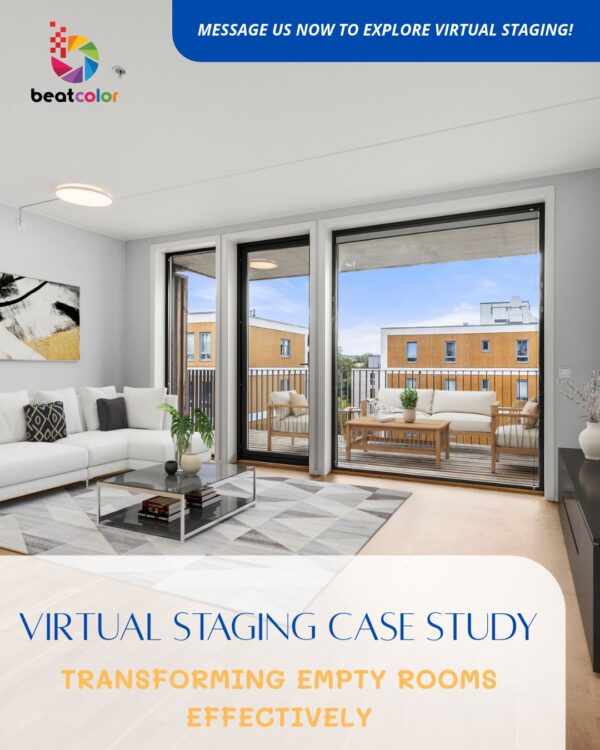

Virtual Staging Empty Rooms: The Art of Turning Nothing Into Something

An empty room can tell two very different stories. Some buyers see endless possibilities. Others see cold walls, awkward corners, and furniture they cannot imagine.
That difference matters more than many property marketers realize.
In today’s digital-first real estate market, presentation influences how people experience properties online. Consequently, vacant interiors deserve more than ordinary photography.
Virtual staging empty rooms offers a practical solution. It transforms bare interiors into thoughtfully furnished spaces without moving physical furniture.
However, the real opportunity goes beyond decoration. It’s about creating an emotional connection before buyers ever visit. Let’s explore how this approach works, where it delivers value, and what makes virtual staging genuinely convincing.
The Empty Room Problem: When Space Becomes a Disadvantage
Imagine scrolling through a property listing. The first photograph shows a spacious living room with white walls and polished flooring. Nothing else occupies the space.
Although the room looks clean, something feels missing.
Without furniture, buyers must estimate proportions, imagine layouts, and visualize everyday activities. Not everyone finds that process easy.
For example, a large bedroom might appear smaller than expected. Meanwhile, an unusually shaped living room could seem difficult to furnish. This creates a presentation problem.
The property might have excellent architectural features, yet its photographs fail to communicate those advantages. Virtual staging changes that experience.
A carefully furnished image introduces scale, purpose, warmth, and visual direction. Suddenly, buyers can imagine a sofa beside the window or breakfast near the kitchen.
The transformation isn’t simply visual. It’s psychological.
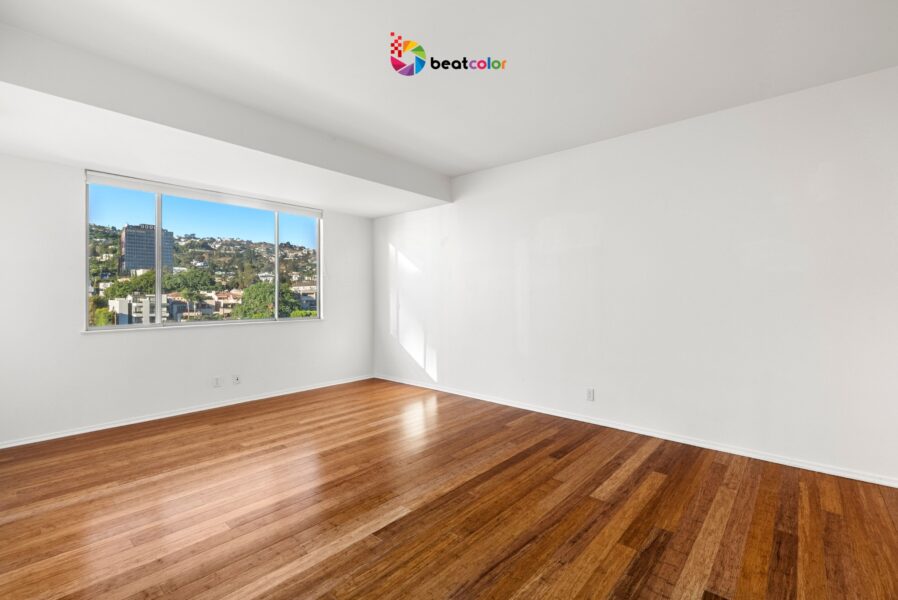
Before and After: Three Rooms, Three Different Stories
The strongest virtual staging projects begin with understanding each room’s potential.
Rather than adding random furniture, editors should consider functionality, architecture, and the property’s target audience.
Here are three common examples.
Scenario A: The Living Room That Finally Feels Like Home
Before: An empty living room features bare flooring, neutral walls, and large windows. Its generous dimensions are visible, but the atmosphere feels somewhat unfinished.
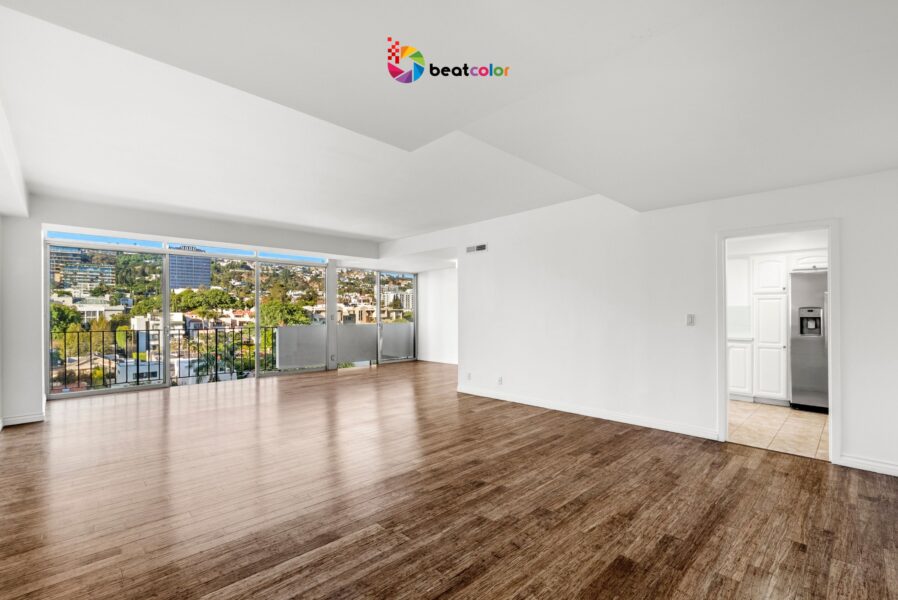
After: A comfortable sofa establishes the main seating area. A coffee table creates balance, while carefully selected artwork adds personality.
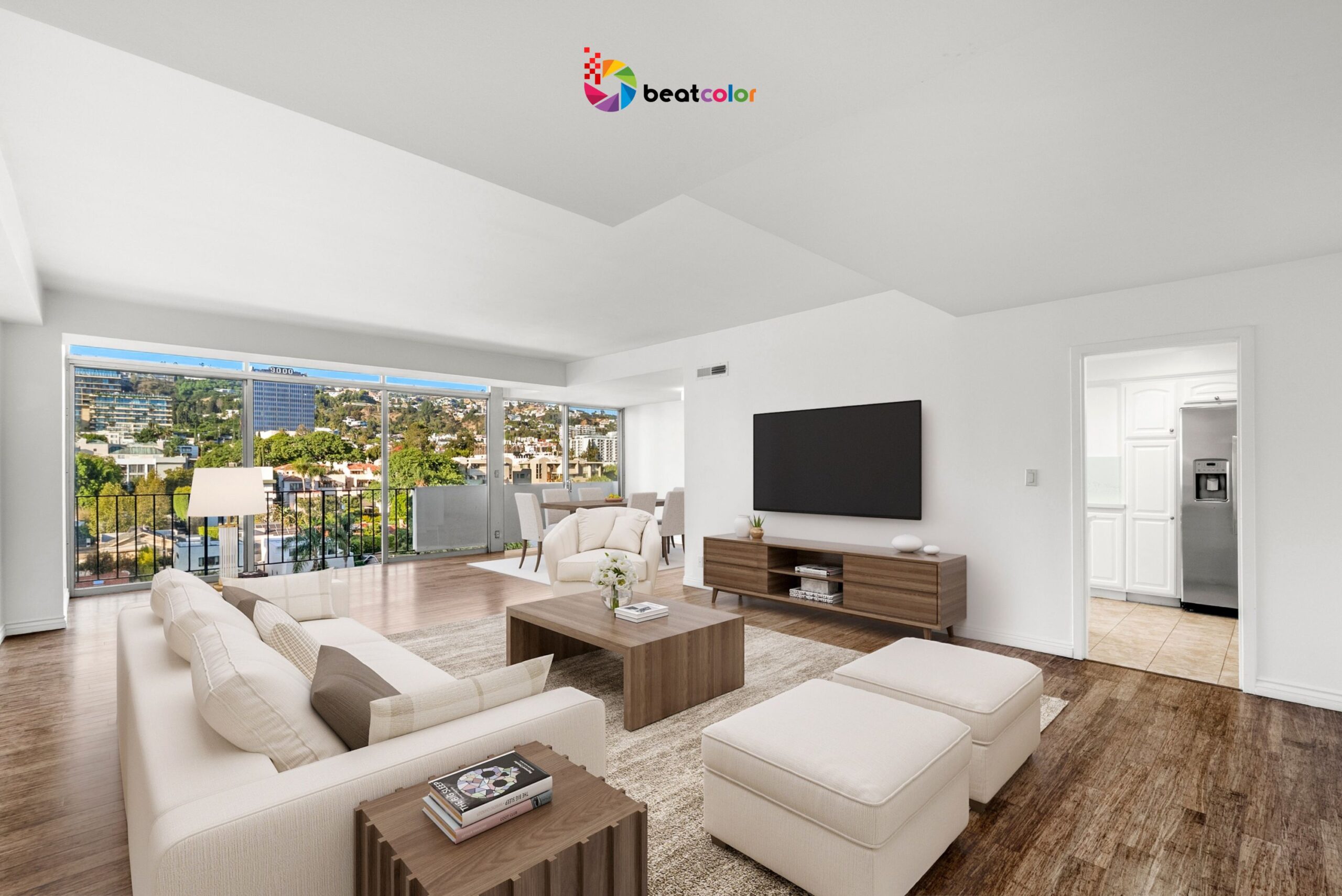
Soft furnishings introduce warmth without overwhelming the architecture. Now, buyers understand how the room accommodates everyday living. They can picture conversations, relaxation, and family gatherings.
Scenario B: The Bedroom That Needs a Purpose
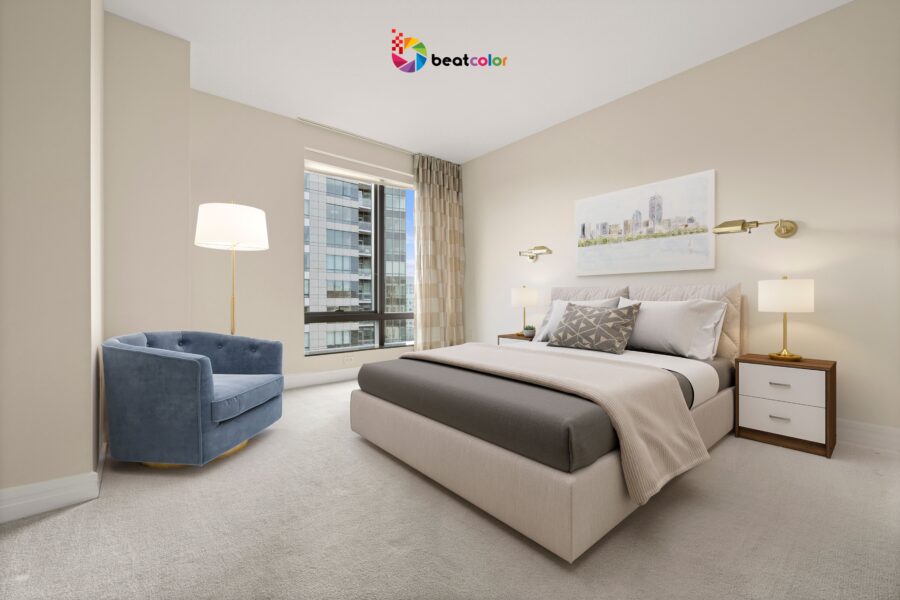
Before: A vacant bedroom offers plenty of floor space but little visual direction. Potential buyers struggle to determine the best furniture arrangement.
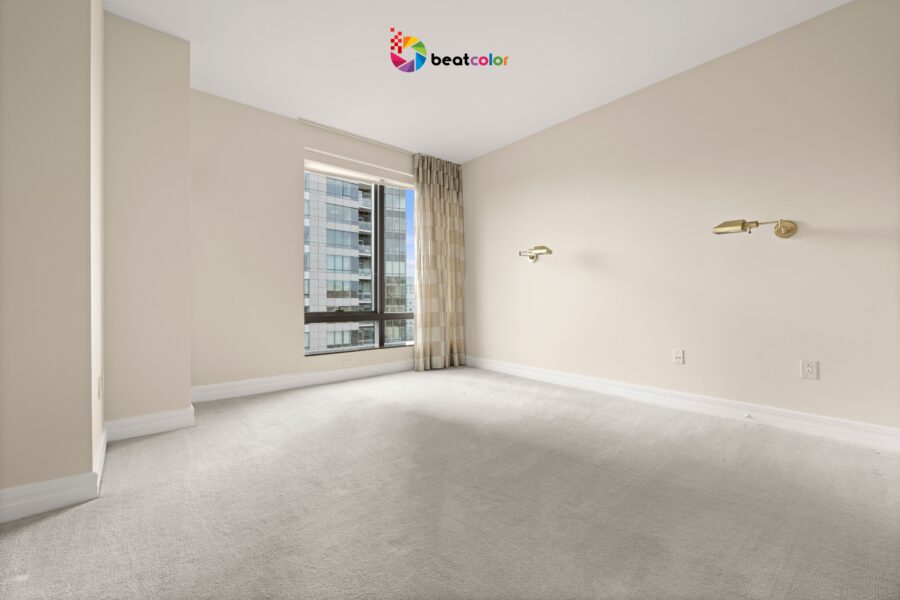
After: A well-proportioned bed becomes the focal point. Matching bedside tables establish symmetry, while subtle lighting creates a relaxing atmosphere. A neutral color palette keeps attention on the room itself. Consequently, the bedroom feels inviting rather than empty.
Scenario C: The Dining Area That Becomes Functional
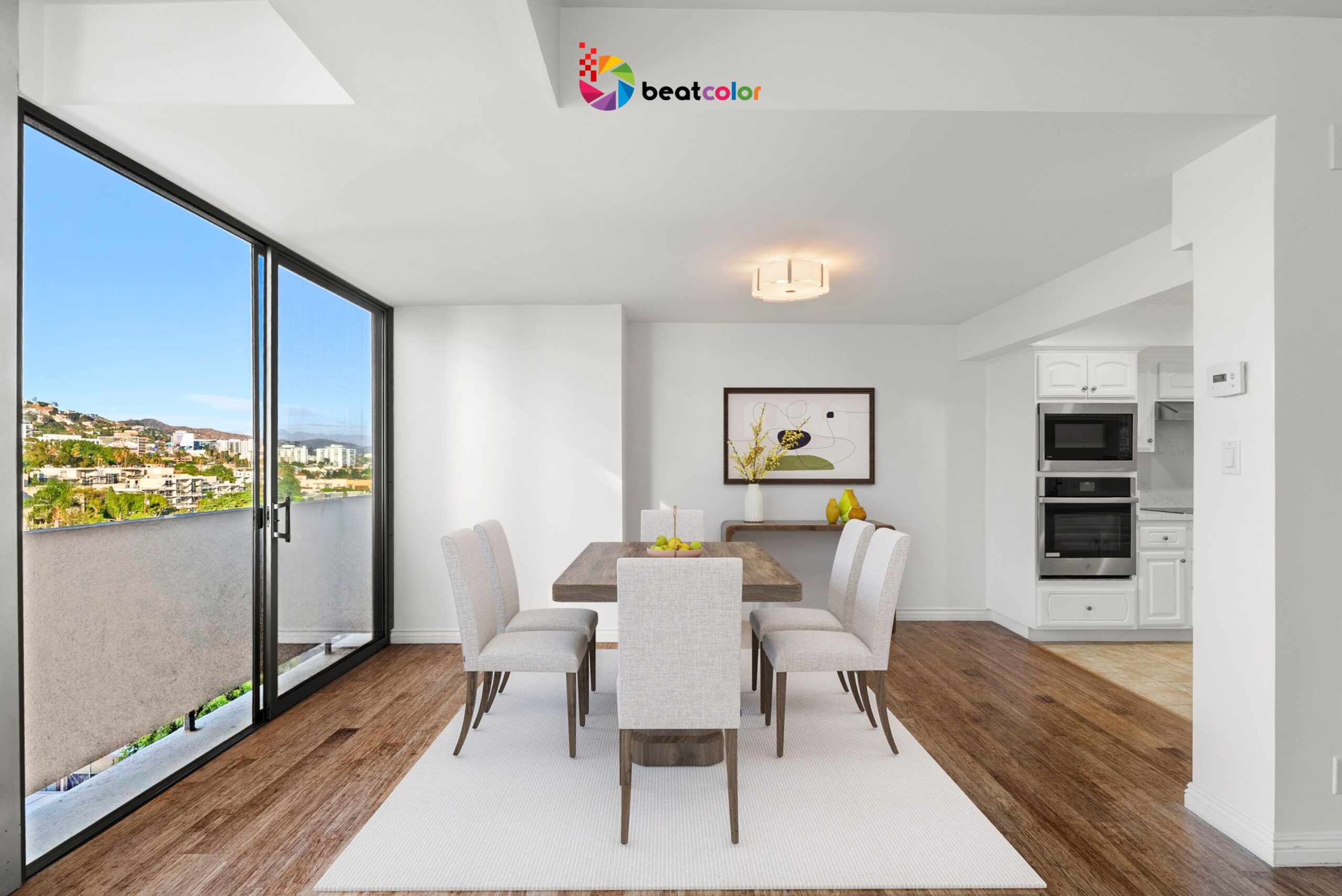
Before: An unfurnished dining space looks disconnected from the surrounding interior. Buyers might overlook its potential for entertaining or everyday meals.
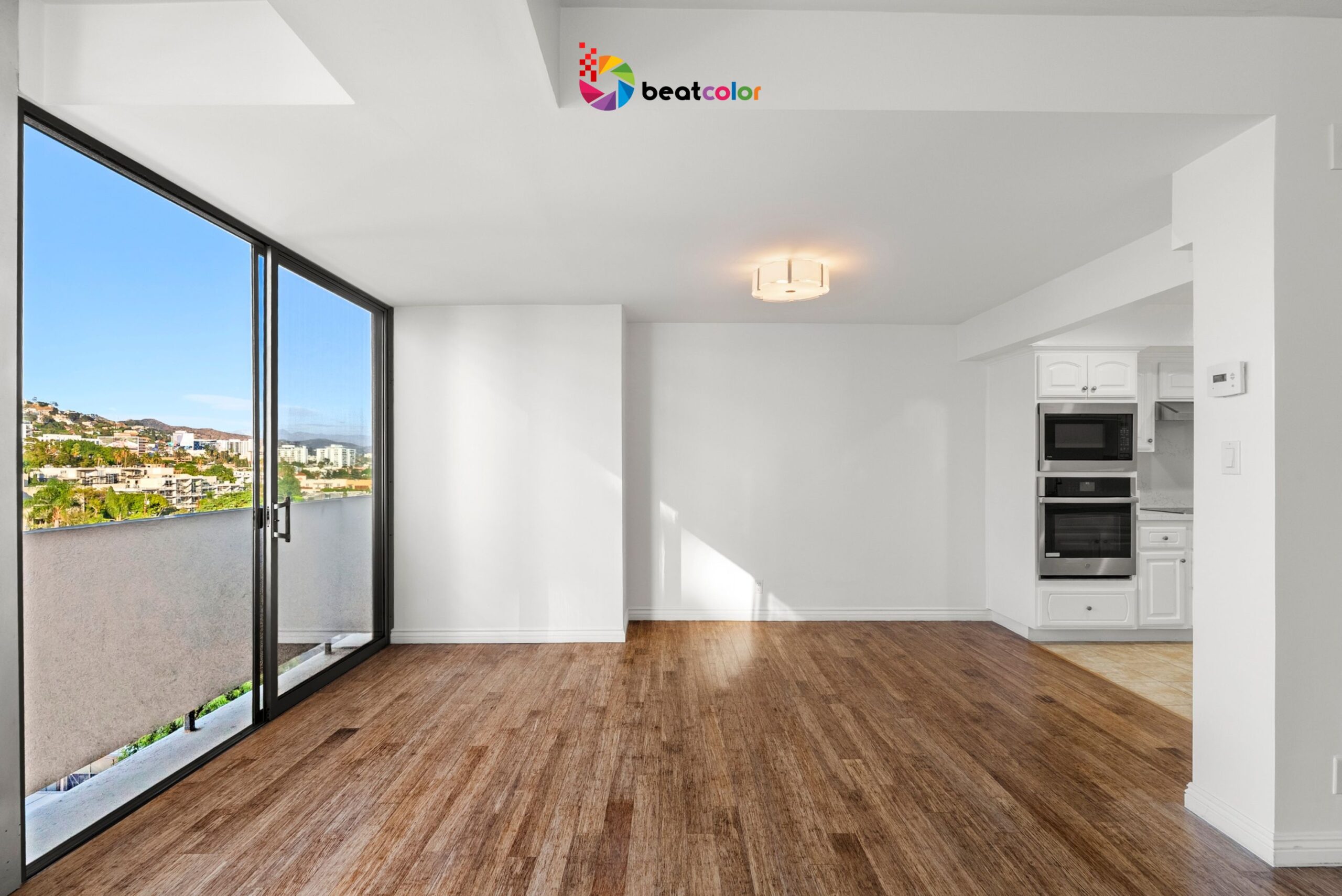
After: A dining table, appropriately sized chairs, and restrained decorative details establish its purpose. The arrangement also demonstrates comfortable movement around the furniture. As a result, an overlooked corner becomes a recognizable lifestyle space.
Why Virtual Staging Matters in Today’s Property Market
Real estate marketing continues evolving alongside changing buyer expectations. Photography remains particularly important because listing images create early impressions.
According to the National Association of REALTORS® 2025 Profile of Home Staging, 73% of buyers’ agents considered listing photos more important or much more important to their clients.
Traditional physical staging received the same response from 57% of buyers’ agents. Interestingly, virtual staging received a more mixed assessment. Thirty-eight percent considered it less important.
These findings reveal something important: virtual staging should complement strong photography, not replace it. Furthermore, Zillow’s 2026 Consumer Housing Trends Report highlights the growing importance of digital listing experiences.
Its research found that 75% of sellers were more likely to hire agents offering virtual tours or interactive floor plans. Additionally, 78% valued high-resolution photography. Together, these findings reinforce a broader marketing principle.
Buyers need clear visual information, not simply attractive pictures. Virtual staging empty rooms can contribute to that experience when used alongside accurate property photography.
The Modern Workflow of Virtual Staging Empty Rooms: From Empty Photography to Designed Interiors
Great virtual staging doesn’t happen by placing furniture randomly. It requires a combination of technical accuracy, creative judgment, and attention to detail.
A professional workflow typically follows five stages.
Step 1: Analyze the Original Photograph
Editors examine room dimensions, camera angles, lighting, flooring, and architectural features. This assessment determines suitable furniture placement and interior styles.
Step 2: Understand the Property’s Identity
A contemporary apartment requires a different visual approach from a traditional family home. Therefore, furniture selections should reflect the property’s architecture and intended audience.
Step 3: Build a Balanced Interior
Furniture must respect perspective, scale, and natural room proportions. Oversized sofas, unrealistic shadows, or poorly positioned accessories can immediately undermine credibility.
Step 4: Match Lighting and Textures
This stage separates convincing staging from obvious digital manipulation. Furniture shadows should follow the original lighting direction. Materials should also respond naturally to surrounding illumination.
Step 5: Review Every Detail
Before delivery, editors check proportions, reflections, object placement, and image consistency. Most importantly, permanent property features must remain accurate.
The final image should look professionally photographed, not digitally assembled.
AI Is Changing Virtual Staging, But Human Judgment Still Matters
Artificial intelligence has introduced new possibilities for real estate image editing. Today, AI-powered tools can suggest furniture arrangements, generate interior concepts, and accelerate creative workflows. Nevertheless, faster production doesn’t automatically mean better results.
AI sometimes creates unusual furniture proportions, distorted architectural details, or inconsistent lighting. Even small errors can make an interior feel artificial.
That’s why professional oversight remains essential. Human editors understand visual hierarchy, architectural context, and the subtle relationship between furniture and available space. They can also recognize when a room needs restraint instead of additional decoration.
The strongest approach combines technological efficiency with experienced creative direction. For real estate businesses, this balance offers something valuable: attractive images without sacrificing visual credibility.
The Details That Separate Professional Staging From Artificial Results
Not every virtually staged photograph feels believable. In fact, excessive decoration can distract buyers from the property itself. Professional results depend on several details.
- Correct proportions: Furniture must fit the actual dimensions and perspective.
- Natural shadows: Objects should interact convincingly with existing light.
- Consistent styling: Furniture, colors, and accessories should complement one another.
- Architectural accuracy: Windows, doors, walls, and permanent fixtures must remain unchanged.
- Visual restraint: Every decorative element needs a clear purpose.
Remember, the goal isn’t to create an impressive furniture showroom. Instead, editors should help buyers recognize the property’s potential.
Sometimes, a simple sofa and carefully positioned rug communicate more than an entire collection of accessories.
Transparency Virtual Staging Empty Rooms: The Rule Behind Every Successful Transformation
Beautiful images should never create unrealistic property expectations. Virtual staging illustrates a possible furnished appearance. It does not represent the property’s actual physical condition.
Therefore, agents should clearly identify digitally staged photographs. They should also provide original, unaltered images whenever required by applicable listing policies.
Importantly, requirements differ between MLS organizations, jurisdictions, and advertising platforms. The National Association of REALTORS® emphasizes accurate advertising and avoiding misleading property representations.
Some MLS policies also specify disclosure language and prohibit changes to permanent property features. For example, MLS Now’s published rules require disclosures for digitally altered images and restrict misleading structural modifications.
Before publishing, always check the relevant local requirements. Transparency protects buyers, sellers, agents, and everyone involved in producing listing content.
The BeatColor Perspective: Less Furniture, More Possibility
At BeatColor, we believe successful virtual staging starts with understanding the space. An empty room doesn’t need excessive decoration to become attractive.
It needs the right visual direction. A thoughtfully selected sofa can establish a living area. A neutral bed can transform an unfamiliar bedroom. Meanwhile, carefully placed accessories can introduce warmth without creating clutter.
Every decision should support the property’s strongest features.
That’s why quality virtual staging requires more than technical editing skills. It requires an understanding of real estate photography, interior design, perspective, and buyer psychology. Our goal is to create interiors that feel believable, balanced, and inviting.
Because the best transformation doesn’t make buyers notice the editing. It makes them imagine living there.
Final Thoughts: Every Empty Room Has a Story Waiting to Begin
Vacant properties often present a marketing challenge. Without furniture, even beautiful interiors can struggle to communicate their full potential.
Virtual staging empty rooms provides another way to present those spaces. It helps establish scale, demonstrate functionality, and create stronger visual experiences.
However, quality always matters more than decoration. Accurate proportions, natural lighting, thoughtful styling, and transparent presentation should guide every project.
As real estate marketing becomes increasingly visual, these details will remain important. After all, buyers aren’t simply searching for four walls and a floor. They’re searching for somewhere that feels like home.
Ready to transform empty property photographs into inviting interiors? Discover how BeatColor’s professional virtual staging services can help your listings make a stronger visual impression.
Read more:
Virtual Renovation Real Estate: Ideas for Outdated Kitchens, Bathrooms, and Floors
Real Estate Sky Replacement: When to Swap the Sky and When to Keep It
Real Estate Photo Editing Case Study: One Property, Three Audiences