
Empty Room Virtual Staging: Examples and Benefits
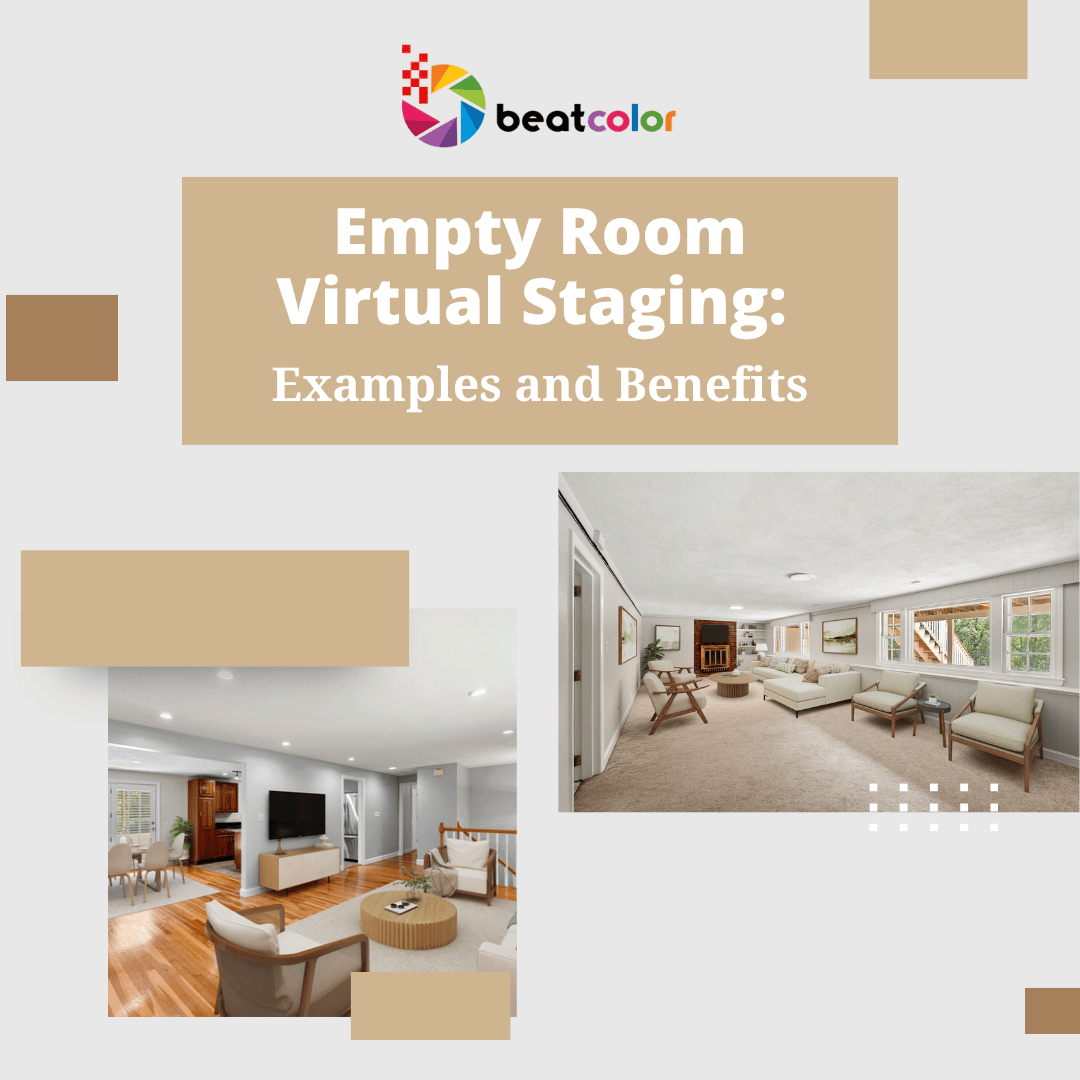
Empty Room Virtual Staging helps real estate agents and photographers turn a bare, forgettable listing photo into a compelling image. Buyers can picture themselves living in the space. An empty room often looks cold in photos, even when it’s well-lit and spacious. Buyers struggle to connect with it. Virtual staging solves this problem digitally. It adds furniture, decor, and lifestyle context to an otherwise blank room, and it skips the cost and logistics of physical staging entirely. This article walks through what empty room virtual staging looks like in practice. It also covers real-world examples and the concrete benefits it delivers for listings.
What Is Empty Room Virtual Staging?
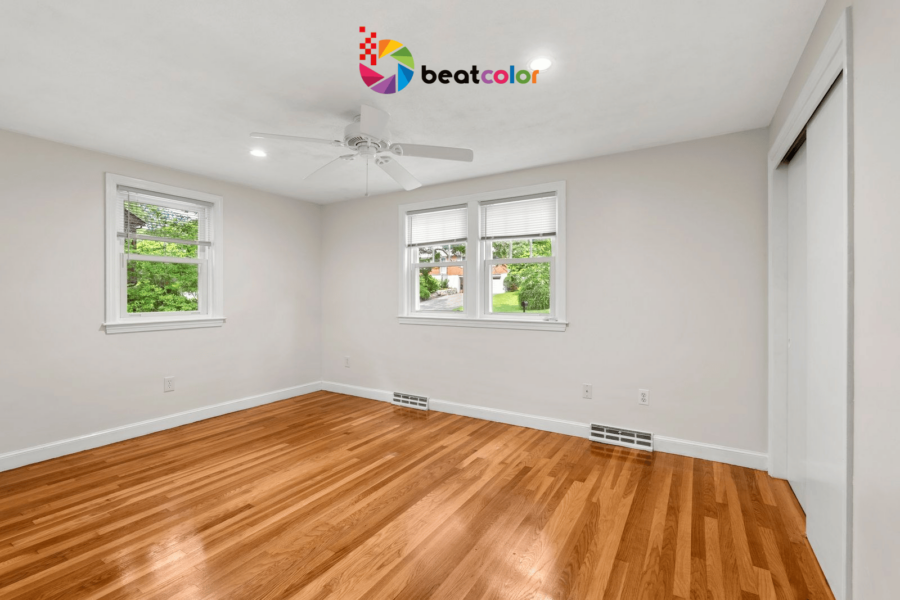
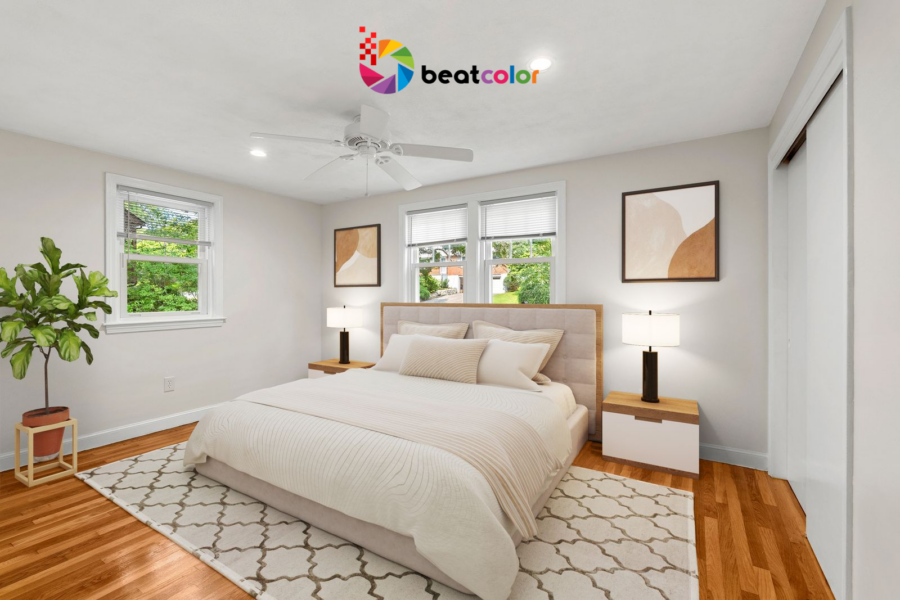
Virtual staging digitally furnishes a photographed room using design software or AI-assisted tools. Instead of hiring movers to bring in couches, tables, and decor, a designer or automated tool inserts photorealistic furniture directly into the existing photo. The result looks like a professionally staged room. However, the physical space stays completely empty.
This approach works especially well for:
- Vacant homes for sale
- New construction listings with no furniture yet
- Rental properties between tenants
- Foreclosures or bank-owned properties
- Renovation “after” concepts shown before work is complete
Common Examples of Empty Room Virtual Staging
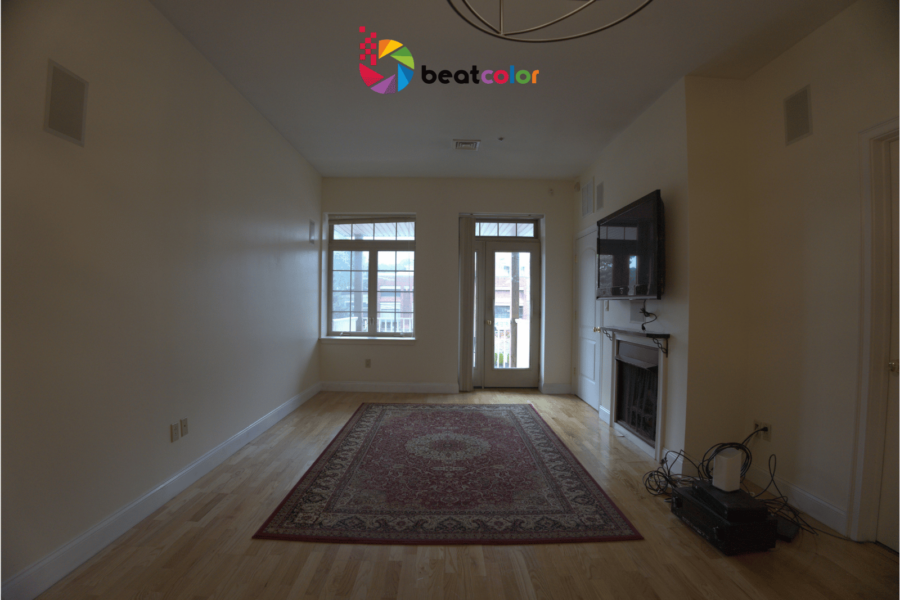
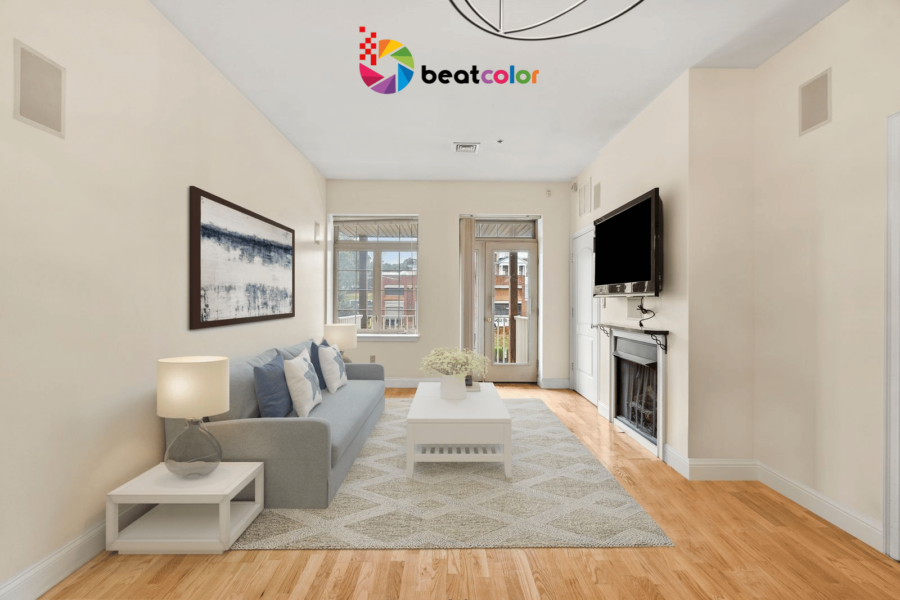
To understand the value, it helps to look at how agents apply virtual staging across different room types.
Living Rooms
An empty living room photo often shows blank walls, bare flooring, and awkward negative space. Buyers find this hard to judge. With virtual staging, a designer adds a sofa, coffee table, area rug, and wall art scaled to the room’s actual dimensions. As a result, buyers immediately understand furniture flow and room proportions — something an empty shot rarely communicates well.
Bedrooms
Bedrooms deliver some of the highest impact for staging. That’s because buyers evaluate whether the space feels comfortable and functional. Adding a bed, nightstands, soft lighting, and simple textiles transforms a plain, box-shaped room. Suddenly, it feels lived-in and inviting.
Kitchens and Dining Areas
Even fully-equipped kitchens benefit from small staging touches. A dining table with place settings, bar stools, or decorative countertop items can make a big difference. For open-concept homes, staging the dining area next to an empty living room also helps buyers visualize the full flow of the space.
Home Offices
Remote work has become more common, so staging an empty spare room as a home office has become a popular strategy. A desk, chair, and shelving unit can reposition an oddly-shaped or small room. Instead of looking like “just an empty room,” it becomes a valuable, usable space.
Outdoor and Patio Spaces
Virtual staging isn’t limited to interiors. Agents can stage empty patios, balconies, and backyard spaces with outdoor furniture, string lights, and planters. This shows buyers the lifestyle potential of exterior areas.
Key Benefits of Empty Room Virtual Staging
1. Significant Cost Savings
Physical staging involves rental fees, moving costs, and ongoing furniture rental for as long as the home stays listed. Costs often reach thousands of dollars per property. Virtual staging, by contrast, costs a fraction of that per image, since it skips physical inventory and logistics altogether.
2. Faster Turnaround
Physical staging requires scheduling movers, designers, and delivery windows. This can delay a listing going live by days or even weeks. Virtual staging, however, typically gets completed and delivered within 24 to 48 hours. As a result, agents can list properties much faster.
3. Flexibility to Match Buyer Demographics
Virtual staging offers one clear advantage over physical staging: agents can easily test different styles for the same room. For example, a property targeting young professionals might get staged in a modern, minimalist style. Meanwhile, the same room could get re-staged in a traditional or family-oriented style for a different buyer profile — all without touching the physical space.
4. Helps Buyers Visualize Scale and Function
Empty rooms are notoriously hard to judge in photos. Without reference points, buyers often misjudge room size. They also struggle to imagine how their own furniture would fit. Staged images solve this by providing visual scale cues that make dimensions and room function much clearer.
5. Higher Buyer Engagement Online
Listings with staged photos tend to perform better online. They get more clicks, more time spent viewing the listing, and more saved favorites. Since most buyers begin their search online, a listing photo’s ability to grab attention in the first few seconds directly affects showing requests.
6. Reversible and Risk-Free
Virtual staging never alters the physical property. Therefore, there’s no risk of damage, no moving costs, and no need to store or return furniture after the sale. If a style isn’t working, agents can revise it without any physical rework.
7. Works for Any Budget Listing
Physical staging has traditionally stayed reserved for higher-end listings, where the cost can be justified against the sale price. Virtual staging changes that. It makes professional-looking staged photos accessible for starter homes, rentals, and mid-market listings that wouldn’t normally have the budget for a full staging package.
Things to Keep in Mind
Virtual staging offers major advantages, but agents should still use it responsibly. Most multiple listing services (MLS) require a clear disclosure that staged photos are virtually generated. After all, the furniture shown won’t be in the home during a showing. Buyers should never think a vacant home comes furnished. Being transparent about virtual staging protects buyer trust. It also keeps the listing compliant with local real estate marketing guidelines.
Furniture style and scale matter too. Overly generic or mismatched staging can look artificial and undercut the professional impression the photos are meant to create. That’s why working with an experienced virtual staging provider makes a difference — whether human-designed, AI-assisted, or a hybrid of both. The right provider helps the final images look realistic instead of obviously computer-generated.
Conclusion
Empty Room Virtual Staging gives agents and photographers a practical, cost-effective way to make vacant listings feel warm, functional, and market-ready. From living rooms to home offices to outdoor patios, digitally staged photos help buyers connect emotionally with a space that would otherwise look cold and forgettable. Ultimately, faster turnaround, lower costs, and the flexibility to tailor styles to different buyer segments explain why virtual staging has become a standard tool in modern real estate marketing — as long as agents use it transparently and thoughtfully.
Read more:
Virtual Staging Before and After: Real Property Transformations
AI Virtual Staging Explained: How It Works
Virtual Staging Pricing Guide