
Real Estate Editing Partner: How to Choose the Right One

Great listing photos sell homes faster. But behind almost every stunning real estate photo is hours of editing work — HDR blending, sky replacement, color correction, virtual staging. Most agents, photographers, and brokerages don’t have time to do this in-house, which is why finding the right real estate editing partner matters so much.
The problem? There are hundreds of editing services out there, and not all of them are built for real estate. Pick the wrong one, and you’ll deal with missed deadlines, inconsistent colors, or edits that just don’t look “market-ready.” Pick the right one, and editing becomes a competitive advantage instead of a bottleneck.
Here’s a practical, no-fluff breakdown of what actually matters when evaluating a real estate editing partner.
Why Your Choice of Editing Partner Actually Matters
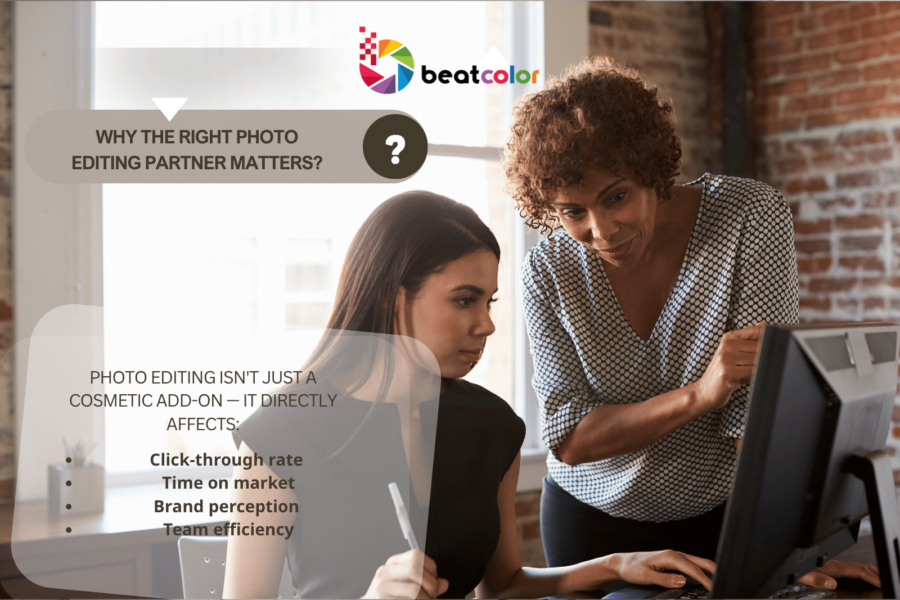
- Click-through rate on listings (better photos = more views)
- Time on market (professionally edited homes tend to sell faster)
- Brand perception of the agent or brokerage
- Team efficiency (outsourcing editing frees up hours for shooting and sales)
A weak editing partner quietly drags down all four. A strong one becomes an extension of your team.
The Core Checklist: 7 Things to Evaluate
1. Real Estate Specialization
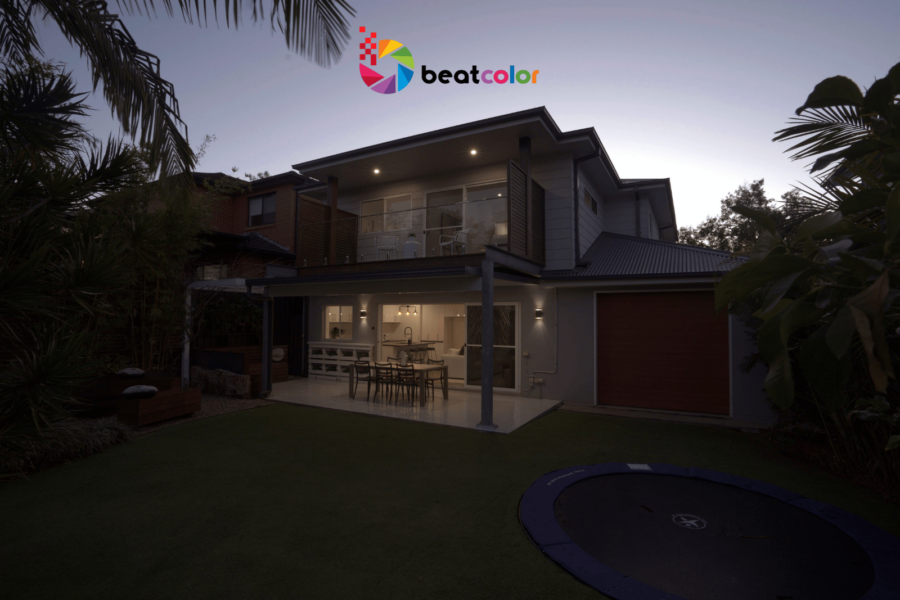
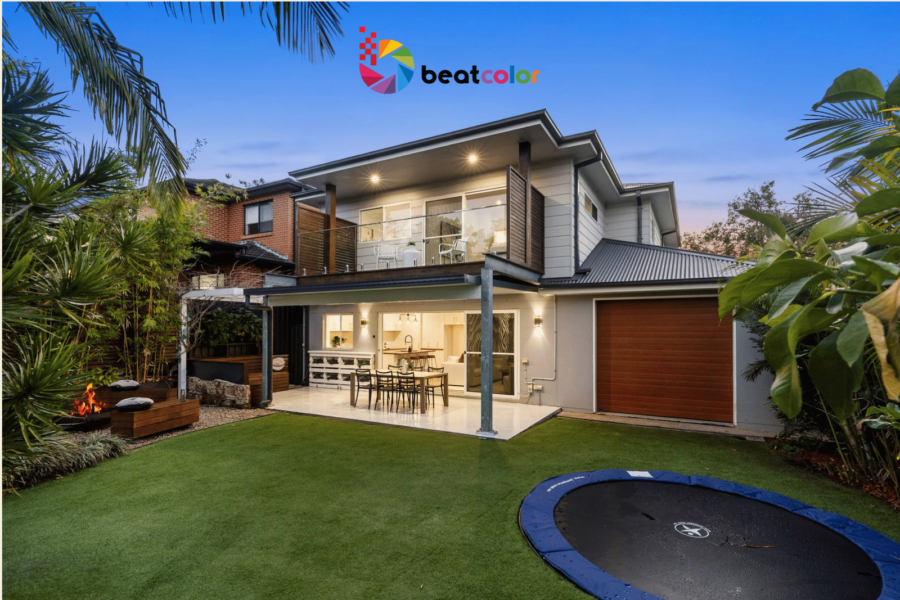
Generic photo editors know Lightroom, but they don’t necessarily know real estate. Look for demonstrated experience with:
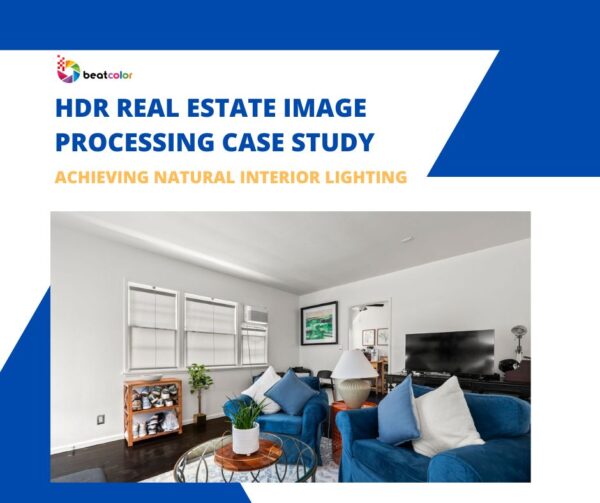
- HDR and flambient blending
- Sky replacement and window pull
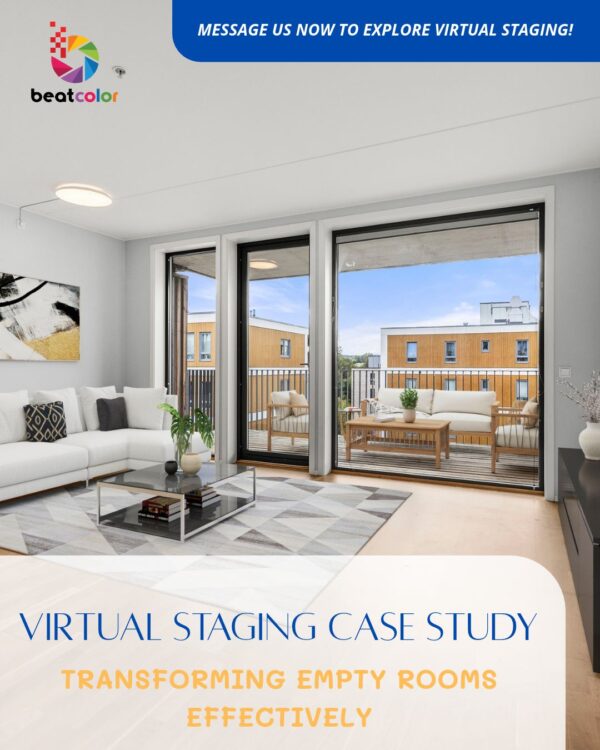
- Virtual staging and item removal
- Twilight conversions
- Drone/aerial photo editing
Ask for a portfolio specific to real estate — not just “photo retouching” in general.
2. Turnaround Time
Speed matters in this industry. A listing that sits unedited for three days is a missed opportunity. When vetting a partner, ask:
- What’s the standard turnaround (24 hours? 12 hours? Same day?)
- Is rush delivery available, and at what cost?
- Can they handle sudden spikes in volume (e.g., a busy listing week)?
Get these commitments in writing, ideally with a clear policy for late deliveries.
3. Consistent Quality at Scale
Anyone can produce a few beautiful sample edits. The real test is consistency across hundreds of images. Request a paid or free trial batch and check for:
- Natural, non-oversaturated color grading
- Straight architectural lines and correct perspective
- Realistic-looking virtual staging that matches the home’s style
- Minimal back-and-forth needed for revisions
4. Scalability
If you’re a growing photography studio or brokerage, your editing partner needs to grow with you. Key questions:
- Do they have enough editors to absorb sudden volume increases?
- Do they integrate with tools you already use (Dropbox, Google Drive, your CRM, or an API)?
- Do they offer subscription or bulk pricing as your volume increases?
5. Data Security and Confidentiality
Real estate images often come with sensitive context — unlisted addresses, private client details, pre-market listings. A trustworthy partner should offer:
- Clear data handling and privacy policies
- NDA availability if requested
- Secure file transfer and storage practices
6. Transparent Pricing
Cheapest isn’t always best, and most expensive doesn’t guarantee quality. Compare:
- Per-image pricing vs. monthly/subscription plans
- Hidden fees for services like virtual staging or object removal
- Number of free revisions included before extra charges apply
7. Verified Reputation
Before committing long-term, check:
- Reviews on Google, Trustpilot, or industry-specific forums
- Referrals from other agents or photographers in your network
- Case studies or before/after samples from real clients
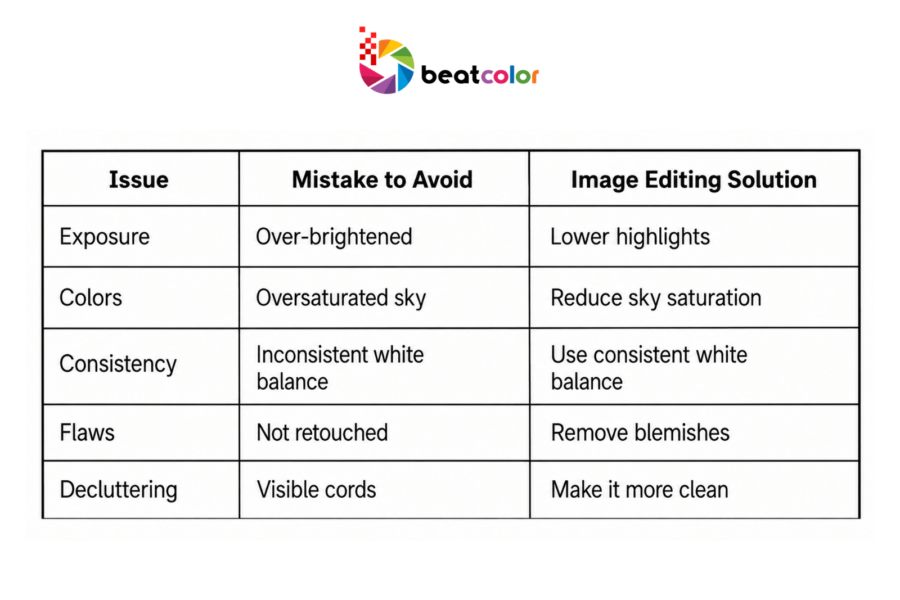
Quick Comparison: What Good vs. Bad Looks Like
Frequently Asked Questions
How much does real estate photo editing typically cost?
Pricing varies widely by service level and volume, ranging from a few dollars per image for basic HDR editing to higher rates for virtual staging or twilight conversions. Bulk or subscription pricing usually lowers the per-image cost.
Should I choose a freelancer or an editing company?
Freelancers can be cost-effective for low volume, but companies generally offer better scalability, backup coverage during high demand, and more consistent turnaround times.
What’s the biggest red flag when evaluating an editing partner?
Vague answers about turnaround time and an unwillingness to provide a real estate–specific portfolio are the two biggest warning signs.
Final Thoughts
The right real estate editing partner should feel like an invisible extension of your workflow — fast, consistent, and reliable enough that you stop thinking about it and just trust the results. Use the checklist above during your evaluation process, request trial edits before committing, and don’t be afraid to ask direct questions about turnaround, pricing, and data security. A strong partnership here pays off in faster listings, better-looking properties, and more time for you to focus on closing deals.
Read more:
Outsourcing vs Hiring an In-House Real Estate Photo Editor
Real Estate Photo Editing: Top BeatColor Alternatives
Smart Photo Editors: Pros, Cons and Top Alternatives