
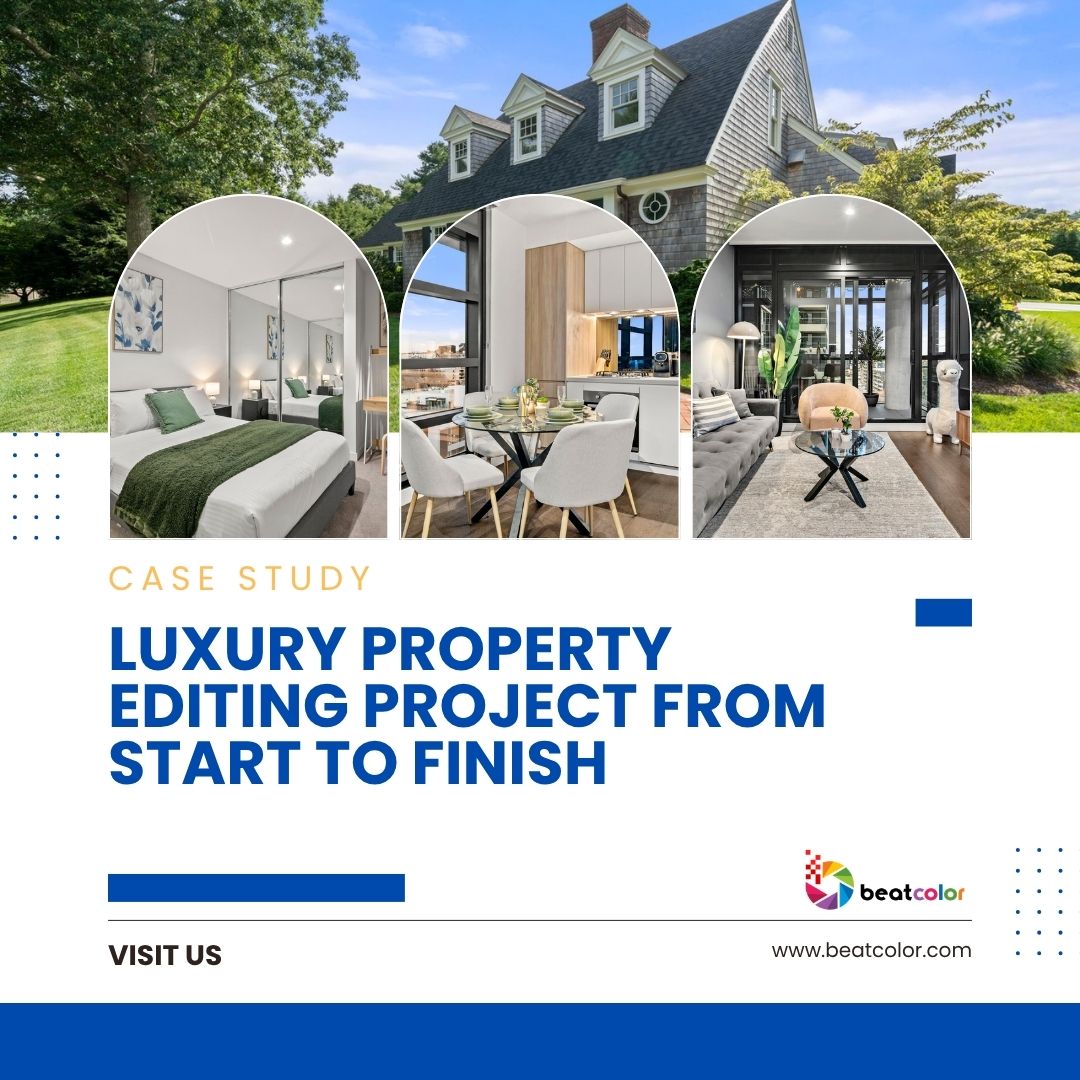
Case Study: Luxury Property Editing Project From Start to Finish
Luxury real estate photography is not simply about making a property look beautiful. It is about controlling attention.
A luxury listing must communicate space, quality, atmosphere, and lifestyle within seconds. Therefore, every image needs to feel intentional.
That is where Luxury Real Estate Photo Editing becomes especially important.
For this case study, we follow a representative luxury property editing project from raw photographs to polished listing assets. The goal was simple.
Make the property look exceptional without making it look unrealistic.
Luxury Real Estate Photo Editing: Beautiful, But Not Yet Listing-Ready
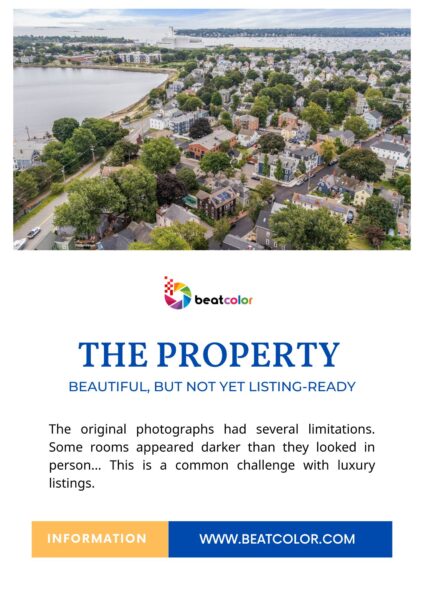
The property already had strong architectural features. Large windows created dramatic natural light. High ceilings added visual scale. The exterior featured landscaped grounds and a sophisticated entrance.
However, the original photographs had several limitations. Some rooms appeared darker than they looked in person.
Window views were slightly overexposed. Exterior colors also looked inconsistent across different photographs. The property was impressive. The photographs simply did not communicate that impression consistently.
This is a common challenge with luxury listings.
High-end properties often contain mixed lighting, reflective surfaces, large windows, and complicated architectural details. Consequently, basic adjustments rarely deliver a truly polished result.
Stage One: Reading the Property Before Editing
Before touching the images, the editing process starts with observation. Which architectural features deserve attention? Where does natural light enter the room? Which views should remain dominant? Which imperfections distract from the property’s actual character?
These questions matter because luxury editing should enhance the property rather than redesign it. This principle has become increasingly important as digitally enhanced listing photography becomes more common.
In February 2026, the National Association of REALTORS® highlighted concerns about digitally altered listing images. The organization specifically warned that excessive editing can create unrealistic expectations for buyers. Therefore, the first objective was not “make everything perfect.” The objective was “make everything believable.”
Stage Two: Establishing the Visual Direction
Luxury properties need consistency. A single listing may contain dozens of photographs.
If every image has a different brightness level or color temperature, the gallery feels disconnected. So, the editing direction was established before detailed retouching began.
The visual approach focused on four elements:
Natural light.
Accurate colors.
Architectural clarity.
Premium atmosphere.
The images needed to feel bright without becoming washed out. They needed to feel warm without becoming orange. They also needed strong contrast without losing shadow detail. This balance is one of the most important parts of professional real estate photo editing.
Stage Three: Correcting Exposure and Lighting
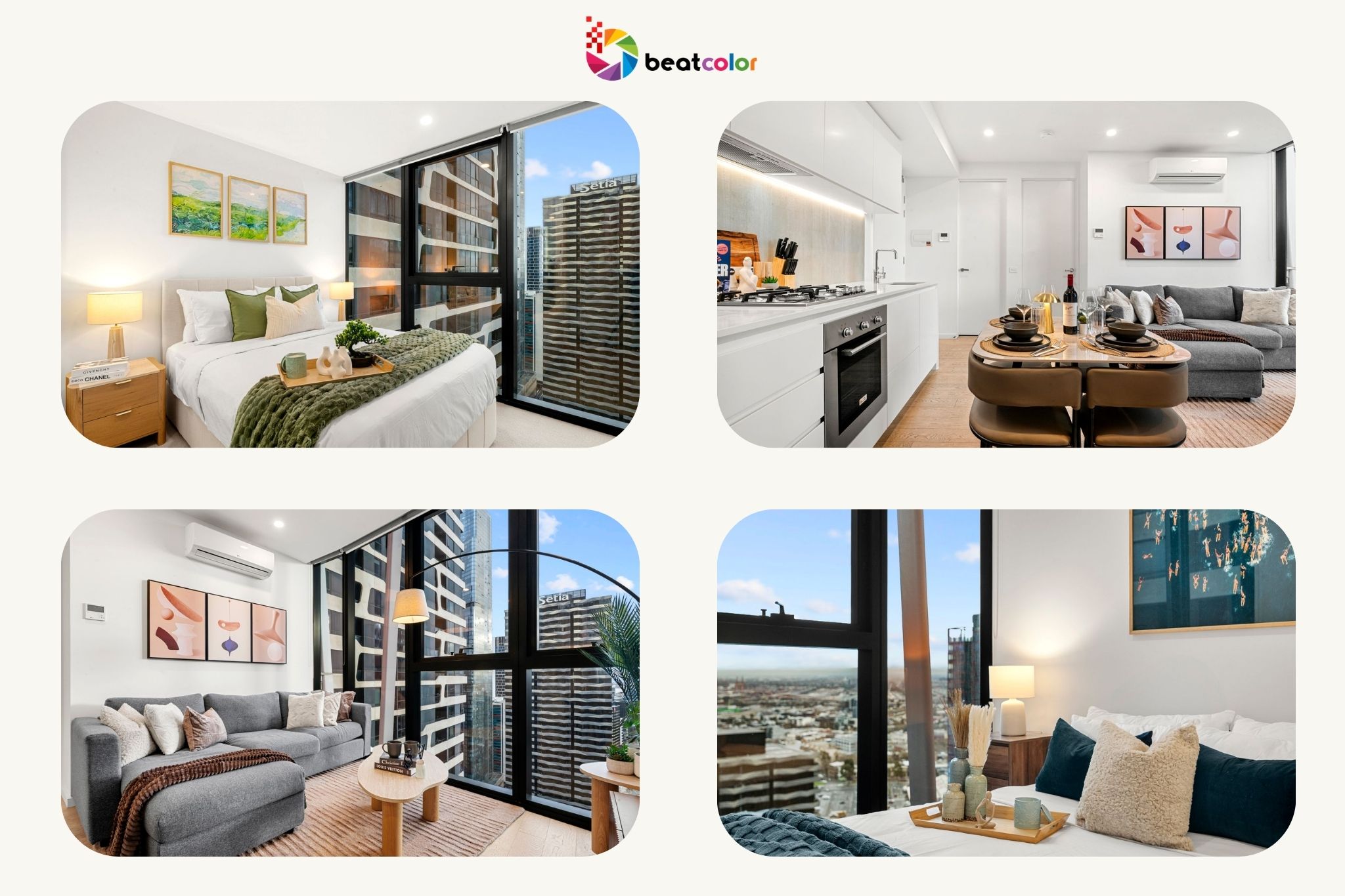
The first technical stage focused on exposure. Dark interiors were carefully lifted. Bright windows were balanced. Shadows were opened while maintaining depth. Highlights were controlled to preserve exterior details.
This stage may look subtle. However, subtle adjustments often create the biggest difference. A luxury living room should still have dimensionality. If every shadow disappears, expensive materials can begin looking flat. Likewise, excessive highlights can make marble, wood, and glass lose their natural texture.
Therefore, the goal was controlled brightness rather than maximum brightness.
Stage Four: Color Refinement
Color can completely change how a luxury property feels. Warm lighting can make a room feel inviting. However, excessive warmth can make white walls look yellow.
Cool corrections can create a modern appearance. Yet, excessive cooling can make the same room feel sterile. The editing team therefore worked toward neutral, sophisticated color reproduction. Wood retained its natural warmth.
White surfaces remained clean. Green landscaping stayed realistic. Blue skies remained believable. This approach creates an important psychological effect. The viewer notices the property first, rather than noticing the editing.
Stage Five: Window View Enhancement
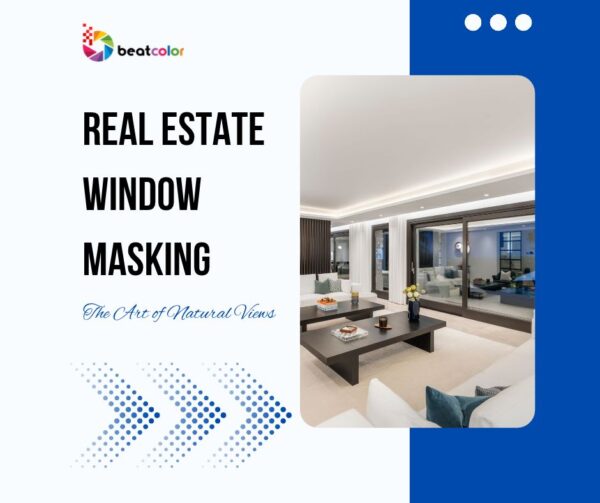
Large windows are often major selling points in luxury properties. They can showcase gardens, pools, skylines, mountains, or waterfront views.
However, windows also create one of the biggest technical challenges. Interior exposure and exterior exposure rarely match naturally. Without careful editing, the interior becomes too dark or the window view becomes completely white.
For this project, window areas were balanced carefully. Exterior details were recovered where possible.
At the same time, the final result remained consistent with the original photograph. This distinction matters. Enhancement should reveal what the camera struggled to capture. It should not create something that does not exist.
Stage Six: Architectural and Detail Retouching
Luxury photography demands attention to small details. Straight vertical lines help rooms feel larger and more professional. Therefore, architectural distortion was corrected where necessary.
Distracting reflections were reduced. Minor visual distractions were cleaned up. Small imperfections were addressed without changing permanent property characteristics.
This is where human judgment becomes particularly valuable. AI tools can accelerate repetitive editing tasks. However, automation does not automatically understand architectural hierarchy.
A human editor can recognize that a fireplace deserves emphasis. The same editor can also understand when a reflection is part of the property’s visual character. That distinction protects authenticity.
Stage Seven: Exterior Transformation
The exterior images received a similar treatment. Landscaping was refined while preserving realistic colors. The sky was balanced with the foreground. The property’s facade received controlled contrast. Pool water was enhanced carefully. The objective was not to make the property look like a postcard.
Instead, the exterior needed to feel like the best possible version of the actual property. That difference is critical for luxury marketing. A visually impressive image attracts attention. An accurate image builds trust. You need both.
Stage Eight: The Final Consistency Check
After individual edits were completed, the project entered the consistency stage. This is often overlooked. A listing can contain technically excellent photographs.
Yet, the complete gallery can still feel inconsistent. Therefore, the images were reviewed as a collection. Brightness levels were compared. Colors were checked across rooms.
Exterior images were matched with interior tones. Perspective and architectural presentation were reviewed again. The result was a cohesive visual story. Instead of viewing thirty separate photographs, potential buyers could experience one property.
Luxury Real Estate Photo Editing: Why This Matters in 2026
The importance of strong property imagery continues to grow. According to NAR’s 2025 Profile of Home Buyers and Sellers, 81% of internet-using buyers considered photographs very useful.
Floor plans followed at 57%, while virtual tours reached 38%. Meanwhile, luxury housing continues to show unusual resilience. Recent Redfin data reported by the Associated Press showed luxury home sales rising 2% nationally during the first half of 2026. The median luxury sale price reached approximately $1.37 million.
That represented a 4.3% year-over-year increase. These numbers reinforce an important point. Luxury buyers are still shopping visually. Therefore, premium presentation remains a competitive advantage.
The Final Result of Luxury Real Estate Photo Editing: From Photograph to Marketing Asset
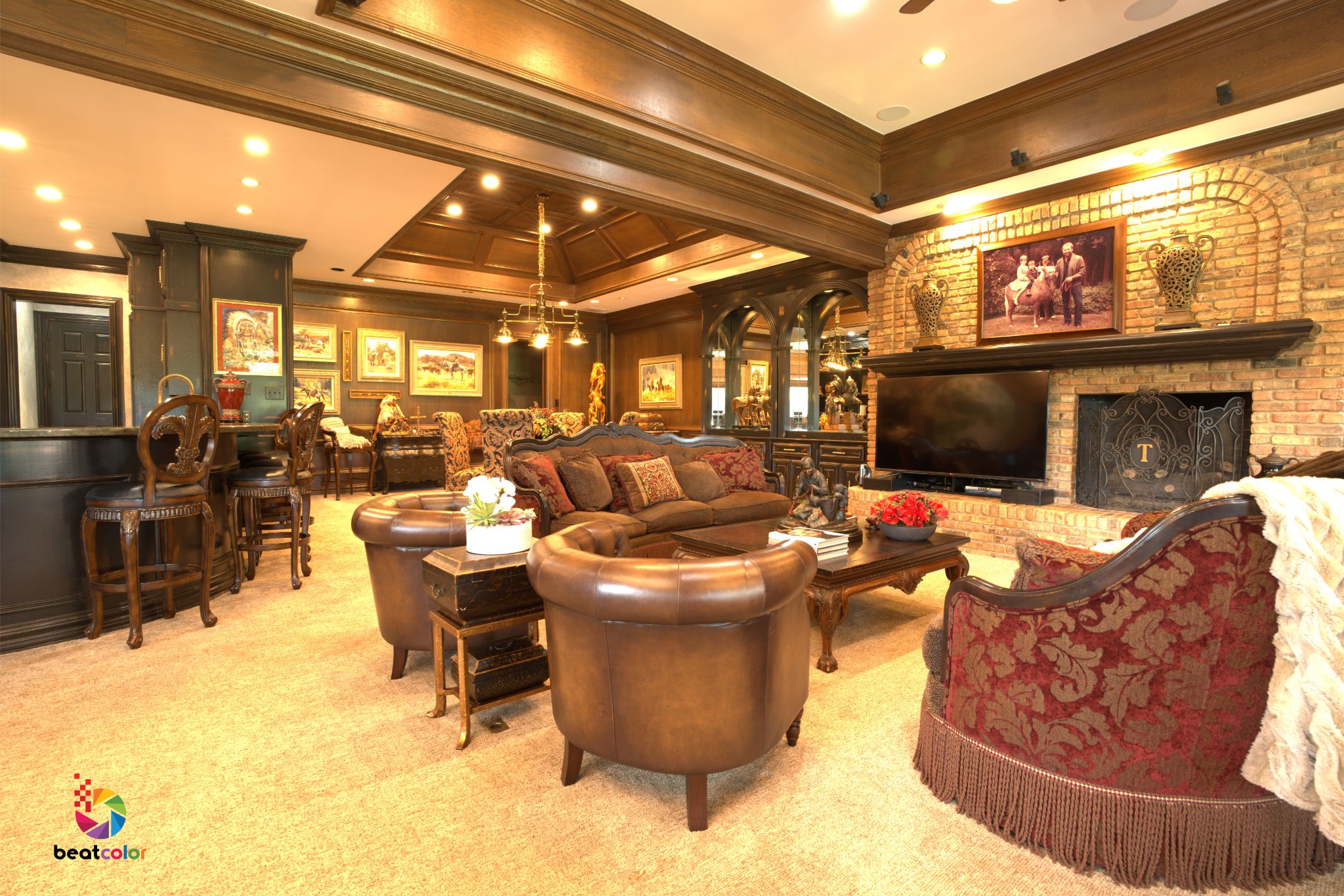
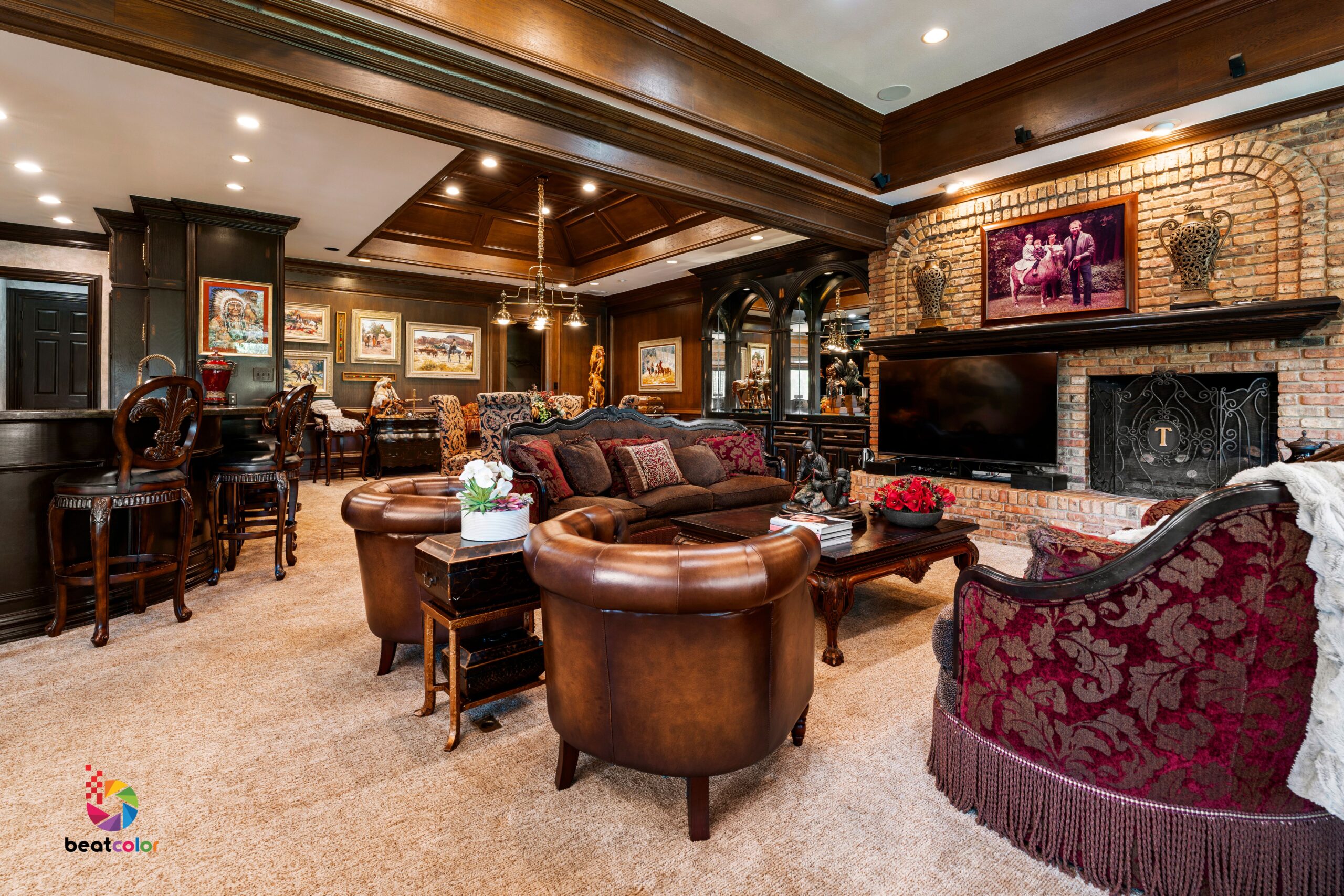
The finished images were brighter, cleaner, and more consistent. However, they were not dramatically different from reality. That was intentional. The strongest luxury editing does not announce itself.
It creates a reaction. “This property looks incredible.”
Not: “This photograph has been heavily edited.”
That is the difference between visual enhancement and visual distortion. A successful Luxury Real Estate Photo Editing workflow should preserve the property’s identity.
At the same time, it should remove technical distractions that prevent buyers from seeing that identity.
Luxury Real Estate Photo Editing: The Real Takeaway
Luxury property editing is not about adding more effects. It is about making better visual decisions. Every adjustment should answer one question:
Does this help the property communicate its real value?
If yes, keep it. If not, remove it.
In today’s increasingly AI-driven real estate marketing environment, this philosophy matters more than ever. Technology can accelerate the workflow. However, judgment creates the final image. And when the property is worth millions, that distinction matters.
Luxury Real Estate Photo Editing deserves more than beautiful photographs. It deserves photographs that make the property feel as valuable as it truly is.
Related posts:
Best Real Estate Marketing Tools for Agents and Brokers
Case Study: Day-to-Dusk Editing That Increased Listing Engagement
Smart Photo Editors: Pros, Cons and Top Alternatives